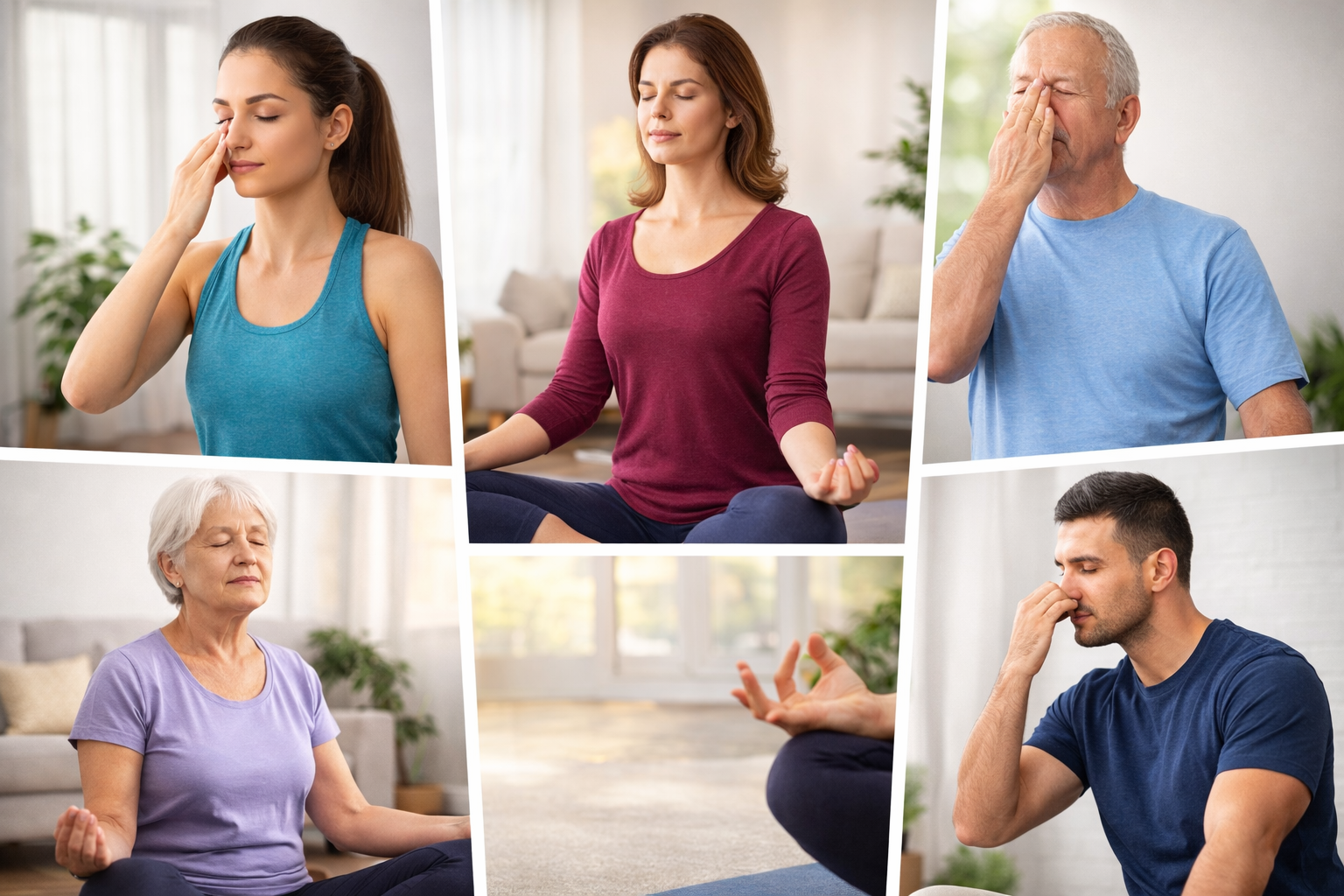
Discover 5 powerful yoga pranayama techniques that help reduce depression, calm the mind, improve breathing, and develop overall mental and physical health naturally.
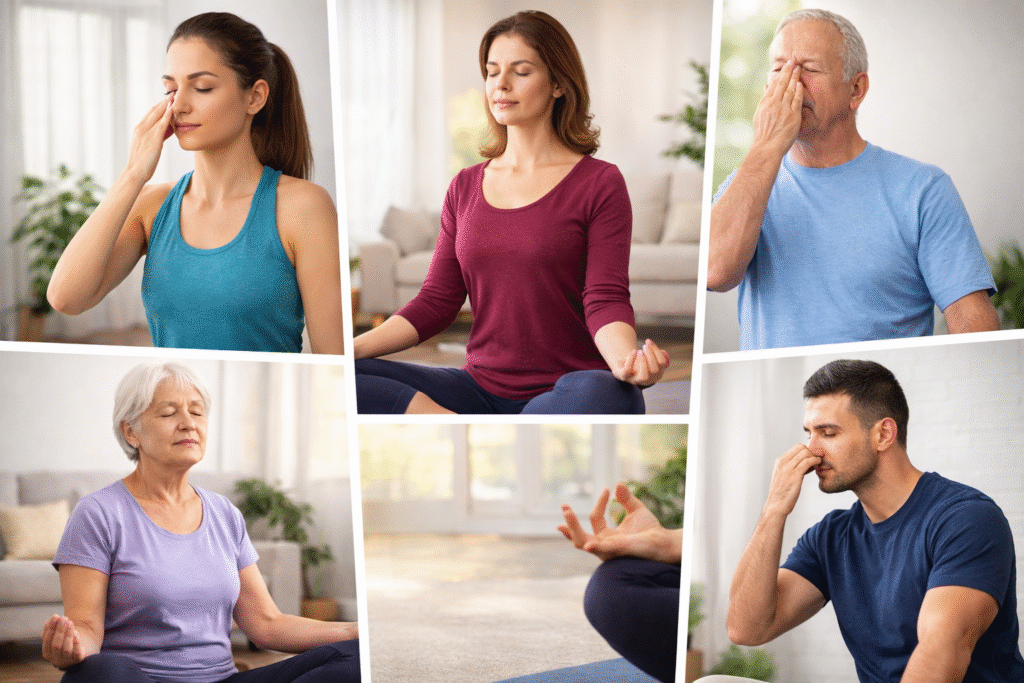
5 Yoga Pranayama for Deep Relaxation and Increased Breathing Capacity
In the ancient yogic tradition of India, breath is considered prana—the vital life force that sustains the body, mind, and consciousness. Indian monks, sages, and yogis have practiced pranayama for thousands of years, not merely for physical health but for mental clarity, emotional balance, and spiritual growth.
Unlike modern exercise routines, pranayama does not require equipment or strength. It requires awareness, discipline, and patience. From Himalayan monasteries to village ashrams, monks begin their day with controlled breathing to awaken the body and quiet the mind.
This article explains five powerful pranayama techniques that improve breathing capacity and promote deep relaxation. Each practice is explained with:
Best time to practice
Step-by-step process
Usefulness (benefits)
Avoid / awareness (precautions)
Along with real-life examples inspired by Indian monks and yogic traditions.
1. Kapalbhati Pranayama (Skull Shining Breath)
Best Time to Practice
Early morning (Brahma Muhurta) is ideal
Empty stomach (4–5 hours after meals)
Can be practiced in the evening with a very light stomach
Process (How to Do)
Sit in Padmasana or Sukhasana with spine erect
Place hands on knees, palms upward
Take a normal inhalation
Exhale forcefully by pulling the abdomen inward
Inhalation happens automatically
Continue rhythmic exhalations
Start with 20 strokes, slowly increasing to 60–100
Usefulness
Improves lung capacity and oxygen exchange
Strengthens respiratory muscles
Clears lungs and nasal passages
Enhances digestion and metabolism
Reduces stress and mental dullness
Indian Monk Example
A monk from a traditional Uttarakhand ashram practices Kapalbhati daily at sunrise facing the mountains. He explains that forceful exhalation removes “stale air” from the lungs, just as sweeping removes dust from a room. Over time, his breathing becomes deeper, steadier, and effortless—even during long meditation sessions.
Avoid / Awareness
Avoid during pregnancy
Not suitable for heart disease, hernia, or recent surgery
Practice gently if you have high blood pressure
Stop immediately if dizziness occurs
2. Anulom Vilom Pranayama (Alternate Nostril Breathing)
Best Time to Practice
Morning or evening
Empty stomach or 3 hours after meals
Quiet and clean environment
Process (How to Do)
Sit comfortably with spine straight
Close right nostril with thumb
Inhale slowly through left nostril
Close left nostril, exhale through right
Inhale through right nostril
Switch and exhale through left
This completes one round
Practice 5–10 minutes
Usefulness
Balances left and right brain hemispheres
Improves lung efficiency
Reduces anxiety and stress
Enhances concentration and memory
Calms the nervous system
Indian Monk Example
In many Bihar and Varanasi ashrams, monks practice Anulom Vilom before meditation. A senior monk describes it as “equalizing the inner energies.” After years of practice, he experiences slow, deep breathing even during challenging situations, reflecting emotional stability and clarity.
Avoid / Awareness
Do not force inhalation or exhalation
Avoid during severe cold or nasal blockage
Keep breathing smooth and slow
Beginners should not hold breath initially
3. Bhramari Pranayama (Humming Bee Breath)
Best Time to Practice
Morning or before sleep
Empty or light stomach
Quiet place
Process (How to Do)
Sit in a relaxed position
Close eyes and relax face
Place thumbs on ears (optional)
Inhale deeply through nose
Exhale slowly while making a humming sound
Feel vibration in head and chest
Repeat 5–7 times
Usefulness
Instantly calms the mind
Reduces anger, anxiety, and restlessness
Improves breath control
Enhances sleep quality
Lowers mental stress
Indian Monk Example
A monk from a South Indian temple monastery practices Bhramari at night. He explains that the humming vibration “melts thoughts.” Even after long hours of chanting and service, Bhramari helps him enter deep, restful sleep without mental noise.
Avoid / Awareness
Do not strain the throat
Keep sound soft and smooth
Avoid if you have ear infection
Practice gently
4. Agnisar Kriya (Digestive Fire Practice)
Best Time to Practice
Early morning only
Strictly on empty stomach
Process (How to Do)
Stand with feet shoulder-width apart
Bend forward slightly, hands on thighs
Exhale fully and hold breath out
Pull abdomen inward and release repeatedly
Continue for 10–15 seconds
Inhale slowly and relax
Repeat 3–5 rounds
Usefulness
Strengthens respiratory muscles
Improves lung efficiency
Boosts digestion and metabolism
Removes abdominal toxins
Increases vitality
Indian Monk Example
In traditional Hatha Yoga monasteries, monks use Agnisar to prepare the body for long pranayama sessions. One monk describes it as “awakening the inner fire,” which makes breathing lighter and more powerful during meditation.
Avoid / Awareness
Avoid during pregnancy
Not suitable for ulcers, hernia, or heart conditions
Must be learned under guidance
Stop if discomfort arises
5. Deep Breathing Pranayama (Slow Inhalation & Exhalation)
Best Time to Practice
Morning or evening
Can be practiced anytime during stress
Empty or light stomach preferred
Process (How to Do)
Sit or lie comfortably
Close eyes and relax body
Inhale deeply through nose
Hold briefly (2–3 seconds)
Exhale slowly and fully
Focus on breath movement
Continue for 5–10 minutes
Usefulness
Increases lung capacity
Improves oxygen circulation
Calms nervous system
Reduces anxiety and stress
Enhances mindfulness
Indian Monk Example
Many elderly monks rely only on deep breathing during long silent retreats. One monk explains that slow breathing “extends life force” and helps him remain calm even with minimal food and sleep.
Avoid / Awareness
Avoid rapid breathing
Do not strain lungs
Practice slowly and naturally
Stop if dizziness occurs
Conclusion
Indian monks have proven through centuries that breath mastery leads to mind mastery. These five pranayama techniques—when practiced regularly—can transform breathing capacity, reduce stress, and bring deep relaxation.
For best results:
Practice daily
Maintain discipline
Respect your body’s limits
Learn under expert guidance
Pranayama is not just an exercise—it is a way of life that connects breath, body, and consciousness.
Awareness & Disclaimer:
These yoga poses and pranayama (breathing exercises) should be practiced under the supervision of a qualified yoga expert or healthcare professional. This article is for information only and is not a substitute for professional medical advice.