Learn 5 effective yoga pranayama techniques to reduce depression, calm the mind, improve breathing, and support healthy body and mental development naturally.
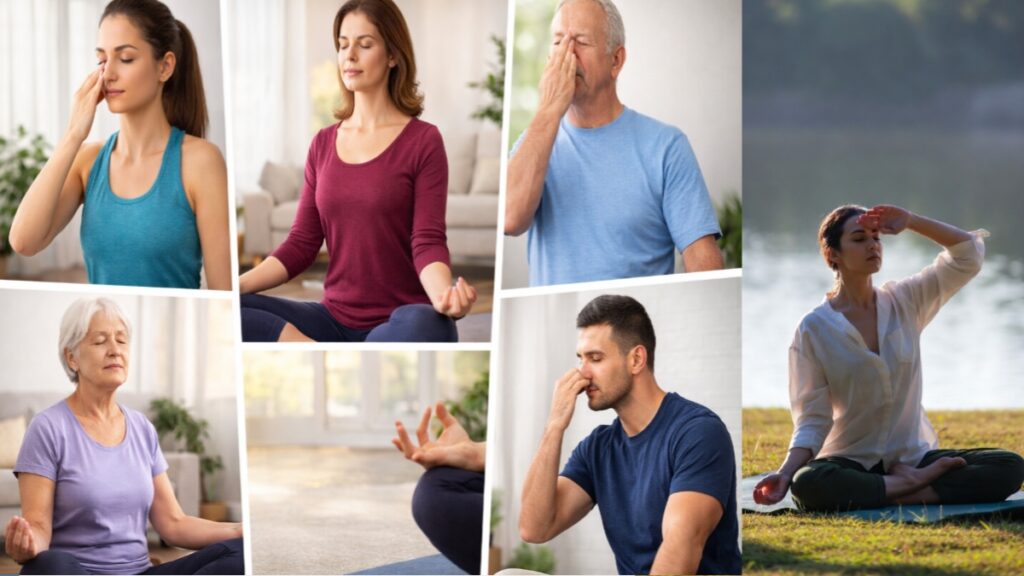
5 Yoga Pranayama to Reduce Depression and Develop Body and Mind
In today’s fast-moving world, depression, anxiety, and emotional exhaustion have become common challenges. Long working hours, lack of physical activity, irregular sleep, and constant digital exposure disturb the natural rhythm of the mind and body. Ancient Indian yoga offers a powerful, natural solution through pranayama, the science of controlled breathing.
Pranayama works directly on the nervous system. By regulating breath, it calms the mind, balances emotions, improves oxygen supply, and strengthens the body from within. Many Indian yogis and modern wellness experts agree that regular pranayama practice helps reduce symptoms of depression and supports holistic development of body and mind.
This article explains five effective yoga pranayama techniques that help remove depressive tendencies and promote mental clarity, emotional stability, and physical vitality.
1. Anulom Vilom Pranayama (Alternate Nostril Breathing)
Best Time to Practice
Early morning or evening
Empty stomach or at least 3 hours after meals
Calm and well-ventilated space
How to Do
Sit comfortably with spine straight
Close right nostril and inhale through left
Close left nostril and exhale through right
Inhale through right, exhale through left
Continue for 5–10 minutes
How It Helps Depression & Development
Anulom Vilom balances the left and right sides of the brain, which helps stabilize mood and emotional responses. It improves oxygen flow to the brain, reduces anxiety, and brings mental calmness. Regular practice improves concentration, emotional balance, and inner awareness.
Awareness
Do not force breathing
Practice slowly and gently
Avoid during severe cold or nasal blockage
2. Bhramari Pranayama (Humming Bee Breath)
Best Time to Practice
Morning or before bedtime
Empty or light stomach
Quiet environment
How to Do
Sit comfortably, close eyes
Inhale deeply through the nose
Exhale slowly while making a humming sound
Feel vibration in head and chest
Repeat 5–7 times
How It Helps Depression & Development
Bhramari directly calms the nervous system and reduces mental agitation. The humming vibration soothes the brain, helping release suppressed emotions. It is especially effective for people experiencing overthinking, sadness, irritability, and sleep disturbances.
Awareness
Keep the sound soft
Do not strain throat or ears
Avoid if you have ear infections
3. Kapalbhati Pranayama (Cleansing Breath)
Best Time to Practice
Early morning
Empty stomach only
How to Do
Sit with spine straight
Exhale forcefully by pulling abdomen inward
Inhalation happens naturally
Start with 20–30 strokes
How It Helps Depression & Development
Kapalbhati improves blood circulation to the brain and energizes the nervous system. It removes lethargy, increases vitality, and improves digestion, which is closely linked to mental health. A healthy digestive system supports emotional stability and mental clarity.
Awareness
Avoid during pregnancy or heart issues
Do not practice forcefully
Stop if dizziness occurs
4. Deep Breathing Pranayama (Slow Inhalation & Exhalation)
Best Time to Practice
Morning, evening, or during stress
Empty or light stomach
How to Do
Sit or lie comfortably
Inhale deeply through the nose
Hold briefly
Exhale slowly
Continue for 5–10 minutes
How It Helps Depression & Development
Deep breathing activates the parasympathetic nervous system, which reduces stress hormones and promotes relaxation. It improves lung capacity, enhances mindfulness, and helps break the cycle of negative thoughts.
Awareness
Avoid rapid breathing
Keep breath smooth and relaxed
Stop if discomfort occurs
5. Ujjayi Pranayama (Victorious Breath)
Best Time to Practice
Morning or during meditation
Empty or light stomach
How to Do
Inhale slowly through the nose
Slightly constrict the throat
Exhale slowly with a soft ocean-like sound
Practice for 5 minutes
How It Helps Depression & Development
Ujjayi pranayama increases oxygen intake, improves focus, and calms emotional fluctuations. It helps build inner strength and self-awareness, supporting both mental resilience and physical endurance.
Awareness
Do not strain throat
Practice gently
Learn under guidance if possible
How Pranayama Supports Mental and Physical Development
Regular pranayama practice:
Improves oxygen flow to the brain
Balances hormones
Reduces stress and depressive tendencies
Strengthens lungs and nervous system
Enhances emotional intelligence
Improves posture and body awareness
According to yogic wisdom, a calm breath creates a calm mind, and a calm mind supports a healthy body.
Conclusion
Depression affects both mind and body, but pranayama offers a natural, holistic path toward healing and development. Practicing these five pranayama techniques daily can bring emotional stability, mental clarity, and renewed physical energy. Consistency, patience, and gentle practice are key to long-term benefits.
Pranayama is not just a breathing exercise—it is a bridge between body, mind, and inner balance
.Awareness & Disclaimer:
These yoga poses and pranayama (breathing exercises) should be practiced under the supervision of a qualified yoga expert or healthcare professional. This article is for information only and is not a substitute for professional medical advice.
Looking for some slot action? top646slot seems alright. The interface is decent and the games look pretty interesting. Might be worth a try. You can click here to get in top646slot
Thanks