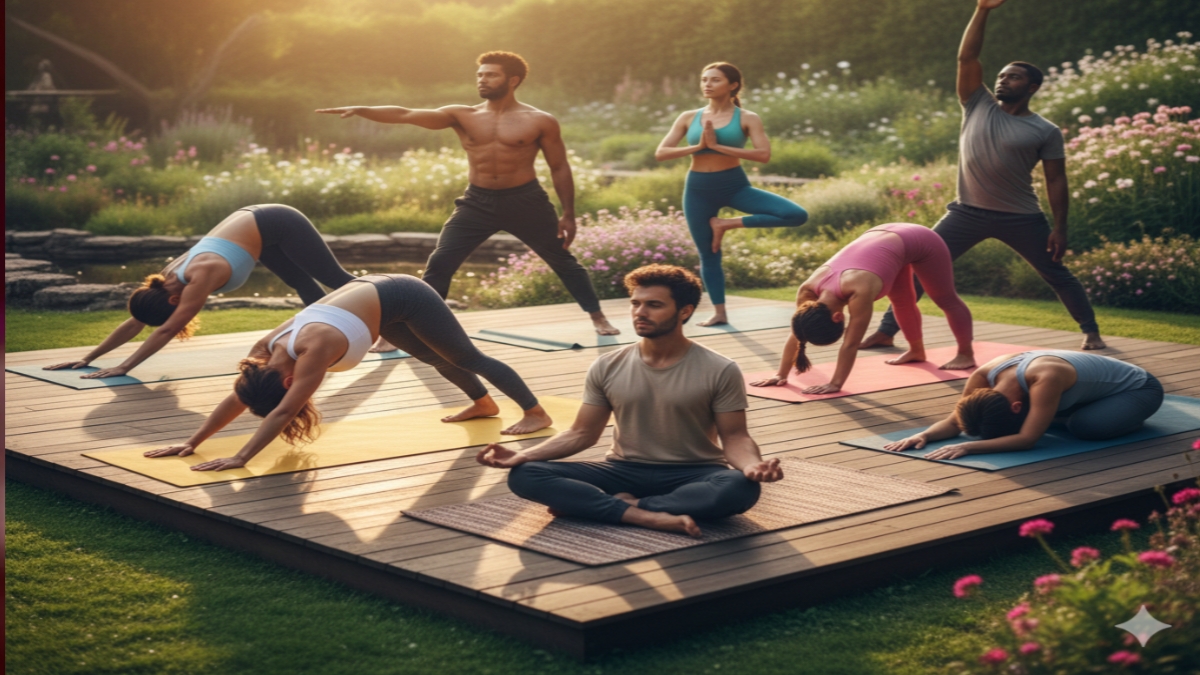
Discover 7 powerful yoga poses to build a flexible, strong body and achieve deep relaxation. Learn step-by-step methods, benefits, safety tips, and a simple 2-week yoga routine for beginners.
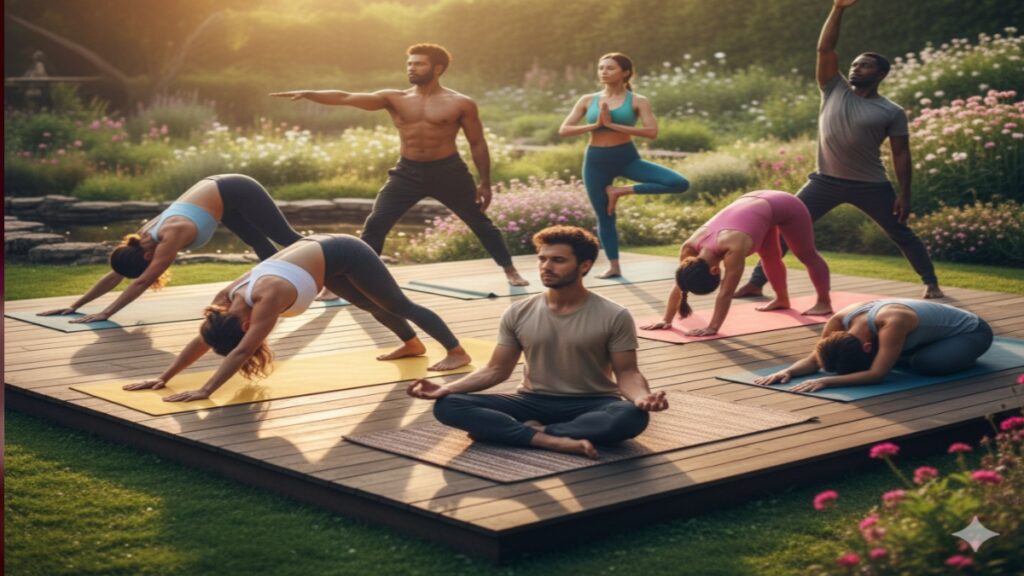
January 6, 2026 by Pandit Ji
In today’s fast-paced lifestyle, maintaining flexibility, strength, and mental calm has become increasingly difficult. Long hours of sitting, stress, and lack of movement often lead to stiffness and fatigue. Yoga offers a natural and effective way to build a strong, flexible body while also calming the mind.
With consistent practice, yoga can deliver visible improvements in flexibility, muscle tone, and relaxation within just two weeks. This article covers seven powerful yoga poses that work together to strengthen the body, increase flexibility, and promote deep relaxation.
Why Yoga Is Effective for Strength, Flexibility, and Relaxation
Yoga combines controlled movement, stretching, strength-building, and mindful breathing. Unlike intense workouts, yoga improves muscle tone without overloading joints or causing exhaustion.
Regular yoga practice helps:
Build lean muscle strength
Increase joint mobility
Improve posture and balance
Reduce stress and anxiety
Enhance overall body awareness
Practicing yoga for 20–30 minutes daily can create noticeable physical and mental changes in a short period.
What You Can Expect in 2 Weeks of Yoga Practice
With daily or near-daily practice, you may experience:
Improved flexibility in hips, spine, shoulders, and legs
Stronger core and toned muscles
Reduced stiffness and body aches
Better balance and coordination
Improved sleep and mental clarity
Overview chart. 7 Yoga Poses for Flexibility, Strength, and Relaxation
Yoga Pose
Target Areas
Key Benefits
Hold Time
1. Downward Facing Dog
Full body
Stretch & strength
30–60 sec
2. Warrior II
Legs, hips
Strength & balance
30 sec/side
3. Triangle Pose
Spine, legs
Flexibility & posture
30 sec/side
4.Cobra Pose
Spine, core
Back strength
20–30 sec
5.Bridge Pose
Back, glutes
Strength & relaxation
30–45 sec
6. Seated Forward Bend
Spine, hamstrings
Stretch & calm
30–60 sec
7. Child’s Pose
Back, hips
Relaxation
1–2 min
1. Downward Facing Dog Pose
Benefits
Stretches the entire body
Strengthens arms and shoulders
Relieves back and neck tension
Process (How to Do)
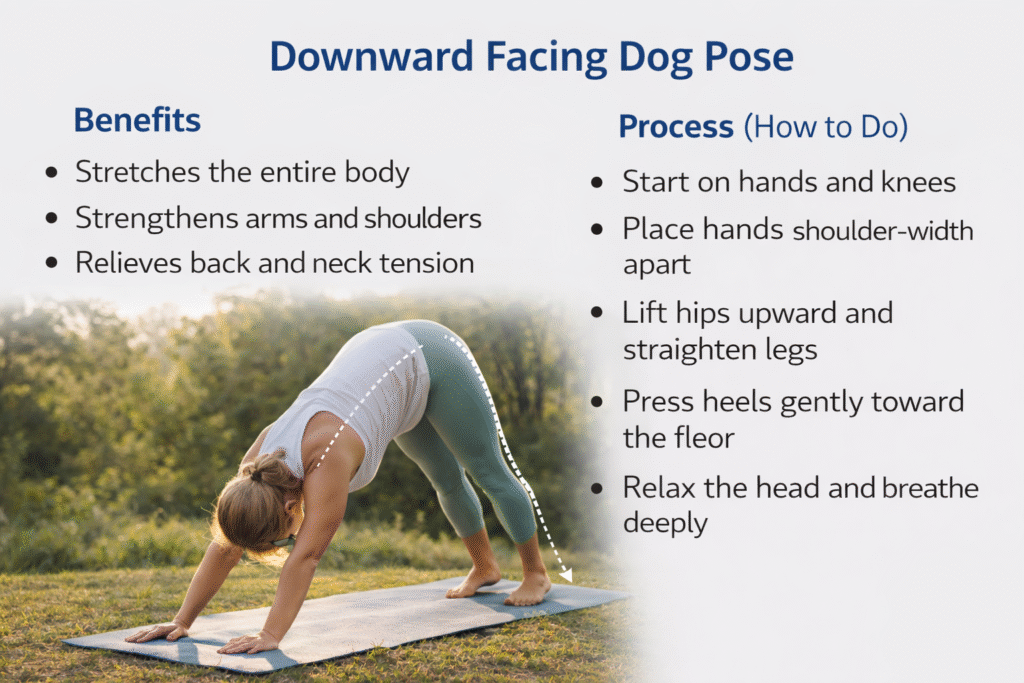
Start on hands and knees
Place hands shoulder-width apart
Lift hips upward and straighten legs
Press heels gently toward the floor
Relax the head and breathe deeply
Avoid / Warnings
Avoid if you have severe wrist pain, shoulder injury, or recent surgery
People with high blood pressure, glaucoma, or vertigo should practice only under expert guidance
Stop immediately if dizziness occurs
2. Warrior II Pose
Benefits
Tones thighs and hips
Builds leg strength
Improves balance and focus
Process (How to Do)
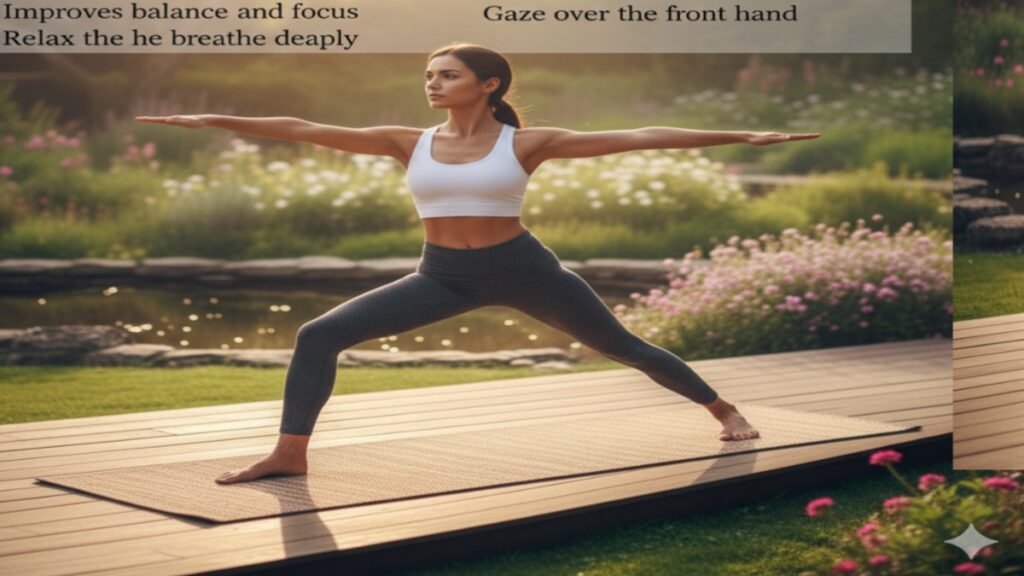
Stand with feet wide apart
Bend front knee, keep back leg straight
Extend arms parallel to the floor
Gaze over the front hand
Avoid / Warnings
Avoid if you have knee injury or severe arthritis
Those with hip pain should reduce depth or seek guidance
Do not lock the knee joint
3. Triangle Pose
Benefits
Improves spinal flexibility
Stretches hips and hamstrings
Enhances posture
Process (How to Do)
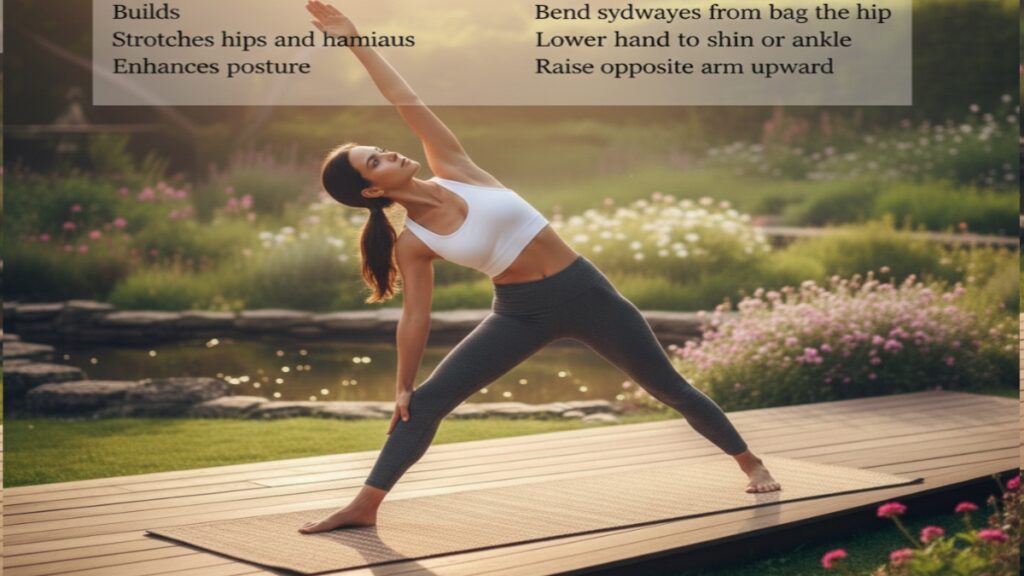
Stand with feet wide apart
Bend sideways from the hip
Lower hand to shin or ankle
Raise opposite arm upward
Avoid / Warnings
Avoid if you have severe lower back pain or slipped disc
People with neck issues should keep the gaze forward, not upward
Practice slowly to avoid strain
4. Cobra Pose
Benefits
Strengthens the lower back
Improves posture
Increases spinal flexibility
Process (How to Do)
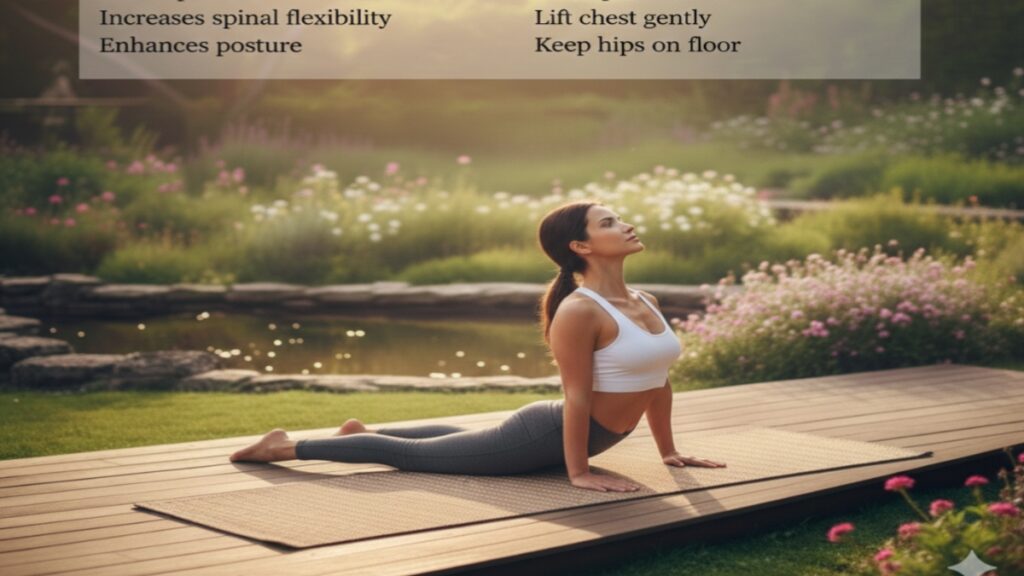
Lie face down
Place palms under shoulders
Lift chest gently
Keep hips on the floor
Avoid / Warnings
Avoid if you have herniated disc, spinal injury, or recent abdominal surgery
Pregnant women should not perform without expert supervision
Do not overextend the lower back
5. Bridge Pose
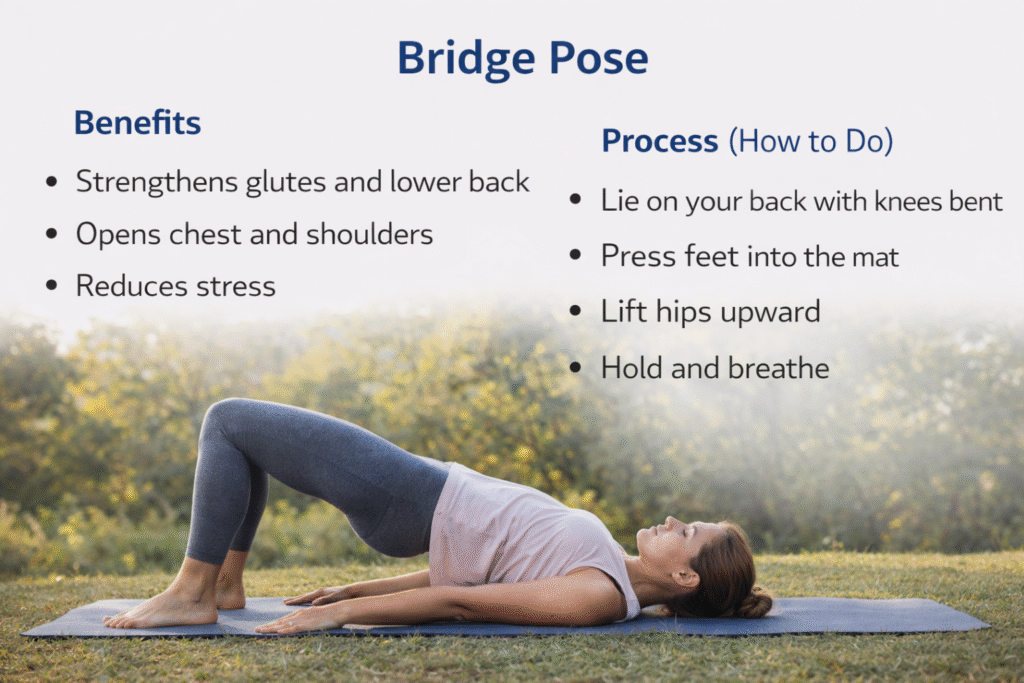
Benefits
Strengthens glutes and lower back
Opens chest and shoulders
Reduces stress
Process (How to Do)
Lie on your back with knees bent
Press feet into the mat
Lift hips upward
Hold and breathe
Avoid / Warnings
Avoid if you have neck injury or cervical spine problems
Those with high blood pressure should practice cautiously
Support with a block if needed
6. Seated Forward Bend
Benefits
Deep hamstring stretch
Relieves stress
Calms the nervous system
Process (How to Do)
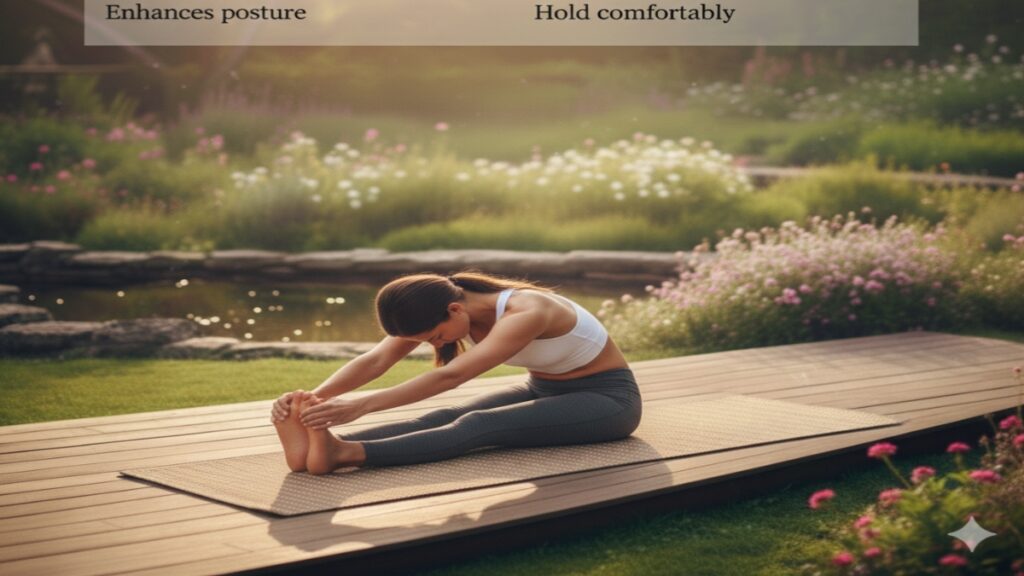
Sit with legs extended
Inhale and lengthen spine
Exhale and bend forward
Hold comfortably
Avoid / Warnings
Avoid if you have severe lower back pain or sciatica
People with slipped disc should consult an expert
Do not force the stretch
7. Child’s Pose
Benefits
Relieves stress and fatigue
Gently stretches back and hips
Promotes relaxation
Process (How to Do)
Kneel on the mat
Sit back on heels
Fold forward and rest forehead
Relax and breathe
Avoid / Warnings
Avoid if you have knee injury or recent knee surgery
Pregnant women should modify or practice only with guidance
Use cushions for comfort if needed
2-Week Yoga Practice Plan
Days
Practice
Duration
Day 1–7
All 7 poses
20–25 min
Day 8–14
Increase hold time
25–30 min
Practice at least 5 days a week.
Final Safety Note (Very Important)
Yoga is safe and beneficial when practiced correctly. However, individuals with medical conditions, injuries, pregnancy, or chronic pain should always practice yoga only under the guidance of a qualified yoga instructor or healthcare professional.
Final Thoughts
These seven yoga poses offer a balanced approach to building flexibility, strength, and relaxation. With mindful practice and proper guidance, yoga can significantly improve both physical and mental well-being. Consistency and awareness are the keys to safe and lasting results.