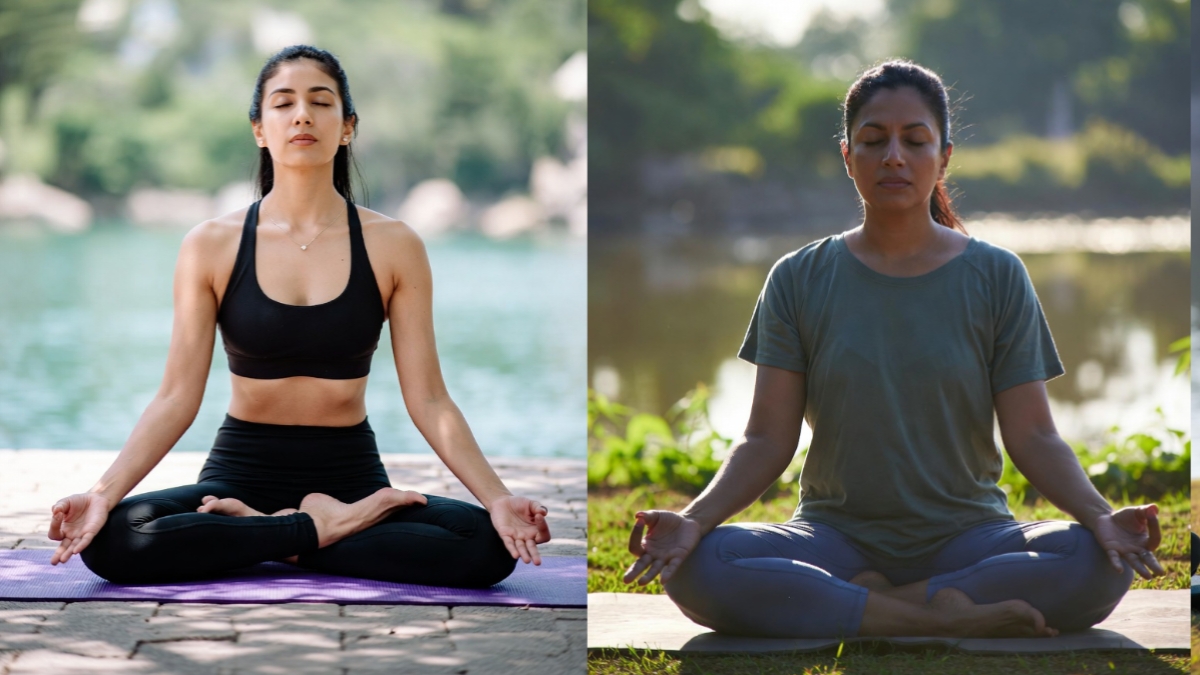
Discover 3 powerful meditation processes that help fully relax your body and mind, reduce stress, improve focus, and promote deep inner calm naturally.

3 Powerful Meditation Processes for Full Body and Mind Relaxation
In a world filled with constant notifications, deadlines, and emotional pressure, full relaxation has become rare. Many people lie down to rest, yet their minds continue racing. True relaxation is not just physical rest—it is a deep state where the body, mind, and nervous system all slow down together. Meditation is one of the most effective and natural ways to achieve this state.
Meditation has been practiced in India for thousands of years by monks, yogis, and spiritual seekers to calm the mind, balance emotions, and restore inner peace. Today, modern science also recognizes meditation as a powerful tool to reduce stress, anxiety, and mental fatigue.
This article explains three simple but powerful meditation processes that help achieve full relaxation. Each meditation is explained with:
Best time to practice
Step-by-step process
Benefits for body and mind
Avoid / awareness
These practices are suitable for beginners but should always be done with care and awareness.
1. Mindfulness Breath Meditation (Awareness of Natural Breathing)
Best Time to Practice
Early morning or evening
Empty stomach or at least 2–3 hours after meals
Can also be practiced during stressful moments
Morning practice helps start the day calmly, while evening practice releases accumulated stress and prepares the body for rest.
Process (How to Do)
Sit comfortably on the floor or a chair with spine straight
Close your eyes gently
Relax shoulders, jaw, and facial muscles
Bring attention to your natural breathing
Do not control the breath—just observe it
Feel the air entering and leaving the nostrils
If thoughts arise, gently bring focus back to the breath
Continue for 5–10 minutes initially
The key is awareness without judgment. You are not trying to stop thoughts—only observing the breath.
Benefits
Mindfulness breath meditation deeply relaxes the nervous system. By focusing on natural breathing, the brain slowly shifts from stress mode to relaxation mode.
Regular practice helps:
Reduce anxiety and mental restlessness
Calm racing thoughts
Improve emotional regulation
Increase mental clarity and focus
Improve sleep quality
Lower stress hormones
This meditation trains the mind to stay in the present moment, which is essential for mental peace.
Avoid / Awareness
Do not force breathing
Do not expect instant silence of thoughts
Avoid practicing for long durations initially
People with severe anxiety should practice under guidance
Practicing too long without guidance may lead to restlessness or emotional discomfort.
2. Body Scan Meditation (Progressive Deep Relaxation)
Best Time to Practice
Evening or before bedtime
Quiet, comfortable environment
Light or empty stomach
This meditation is especially helpful for people who feel physical tension, fatigue, or difficulty sleeping.
Process (How to Do)
Lie down on your back on a mat or bed
Keep arms relaxed by the sides
Close your eyes and take a few deep breaths
Bring attention to your toes
Slowly move awareness upward—to feet, legs, hips
Observe each body part without moving it
Release tension consciously from each area
Continue scanning abdomen, chest, arms, neck, face
End by observing the whole body as one unit
Stay still for a few moments
This process is slow and gentle, guiding the body into complete relaxation.
Benefits
Body scan meditation is widely used in stress-relief therapy because it releases deep muscular and mental tension.
Benefits include:
Full physical relaxation
Reduced muscle stiffness and pain
Calmed nervous system
Improved sleep and recovery
Increased body awareness
Reduced emotional stress
Many people experience a feeling of heaviness or lightness, which indicates deep relaxation.
Avoid / Awareness
Avoid sleeping during the practice
Do not rush the scanning process
Avoid practicing for long periods without guidance
People with trauma history should practice under expert supervision
Deep body awareness can sometimes bring suppressed emotions to the surface.
3. Guided Mantra Meditation (Sound-Based Relaxation)
Best Time to Practice
Early morning or evening
Empty or light stomach
Quiet, distraction-free environment
Mantra meditation has been traditionally practiced by Indian monks and yogis for calming the mind through sound vibration.
Process (How to Do)
Sit comfortably with spine straight
Close eyes and relax the body
Choose a simple mantra like “Om” or “So Hum”
Inhale gently
Chant or repeat the mantra silently during exhalation
Focus on the sound vibration
If thoughts arise, return to the mantra
Practice for 5–10 minutes
The mantra acts as an anchor, preventing the mind from wandering excessively.
Benefits
Mantra meditation creates rhythmic breathing and mental stability. Sound vibrations have a calming effect on the brain and nervous system.
Benefits include:
Deep mental relaxation
Reduced anxiety and negative thinking
Improved concentration
Emotional balance
Increased sense of inner peace
Support for meditation beginners
Over time, the mind learns to settle naturally.
Avoid / Awareness
Do not chant loudly or forcefully
Avoid complex mantras without guidance
Do not practice for long durations initially
Learn proper pronunciation if chanting aloud
Mantra meditation practiced incorrectly or excessively may cause mental restlessness.
Why Meditation Brings Full Relaxation
Meditation works by activating the parasympathetic nervous system, which is responsible for rest, healing, and recovery. Unlike sleep, meditation brings conscious relaxation, where the body rests but the mind remains aware.
Regular meditation practice:
Lowers stress hormones
Improves oxygen flow to the brain
Balances emotions
Enhances self-awareness
Supports long-term mental health
Even 10 minutes a day can make a noticeable difference over time.
Important Awareness for All Meditation Practices
Meditation is powerful, but it must be practiced correctly.
Do not practice for long durations without expert guidance
Beginners should start with short sessions
People with mental health conditions should consult professionals
Discomfort or emotional release is a sign to slow down
Consistency is more important than duration
Meditation is a journey, not a competition.
Conclusion
True relaxation is not achieved by distraction, but by inner stillness. These three meditation processes—mindfulness breathing, body scan meditation, and guided mantra meditation—offer safe and effective ways to relax deeply and restore balance in daily life.
When practiced with patience, awareness, and proper guidance, meditation can transform stress into calm, confusion into clarity, and exhaustion into renewal. Begin slowly, stay consistent, and allow relaxation to unfold naturally.
Awareness & Disclaimer (Place at End)
These meditation practices are shared for educational and informational purposes only. Meditation should not be practiced for long durations without the supervision of a qualified expert. Always consult a healthcare professional or certified meditation instructor if you have medical or mental health conditions.