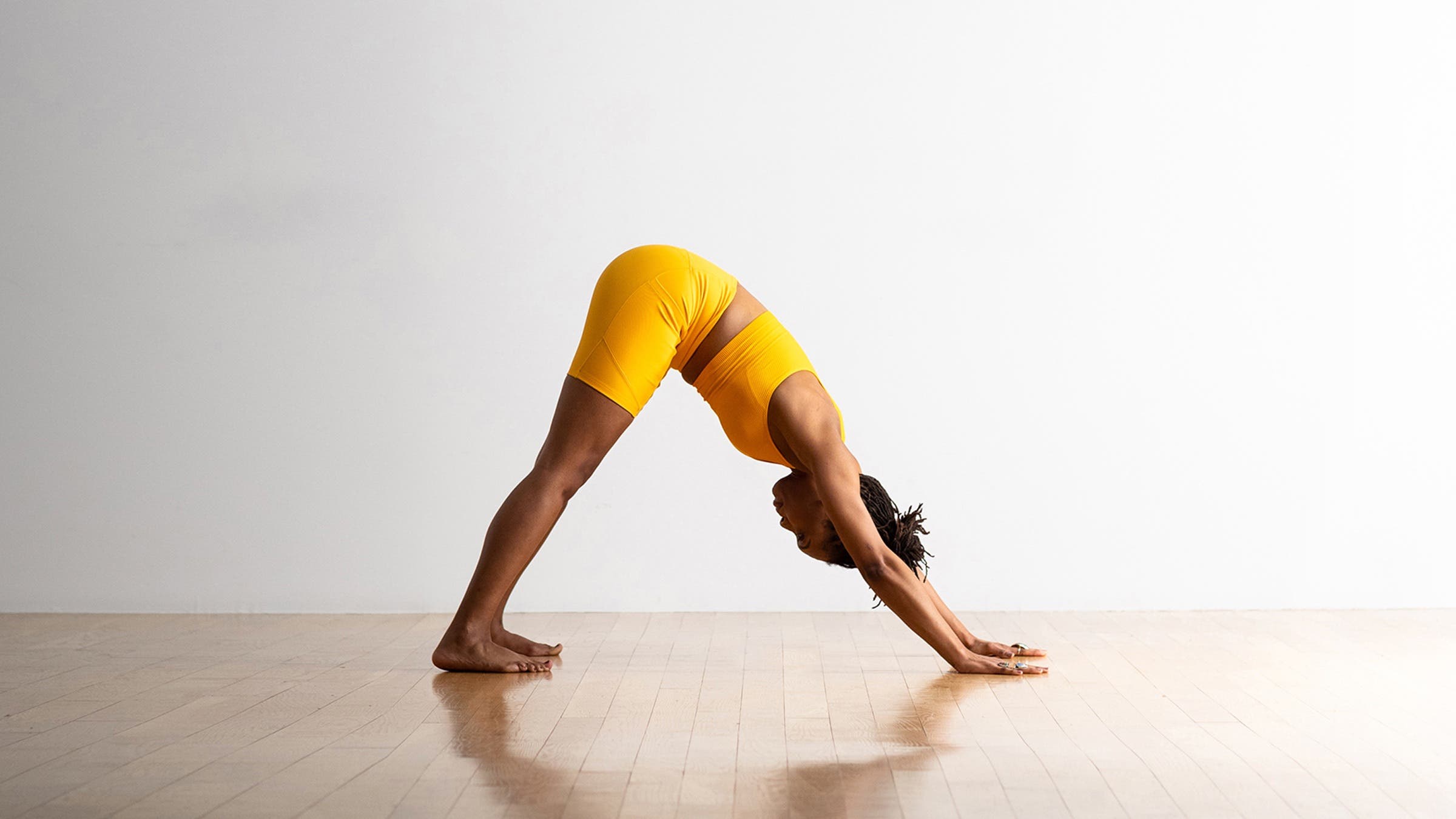
Discover 6 powerful yoga poses backed by scientific research that enhance strength, improve flexibility, reduce stress, and promote mental calm. Learn benefits, evidence, and safe practice tips.
6 powerful yoga poses
🧘♀️ What Is Yoga? Meaning, Importance, and Health Value
Yoga is an ancient mind-body practice that originated in India more than 5,000 years ago. The word “yoga” comes from the Sanskrit root “Yuj,” meaning to unite—the union of body, mind, and breath. In modern life, yoga is widely practiced as a holistic wellness system that combines physical postures (asanas), breathing techniques (pranayama), and mindfulness.
Unlike high-impact workouts, yoga focuses on balance, flexibility, strength, and mental calmness. Scientific research now confirms that regular yoga practice helps reduce stress, improve posture, support heart health, enhance muscle tone, and promote emotional well-being. Yoga is suitable for people of all ages when practiced correctly and under proper guidance.
Below are six essential yoga poses, each explained with:
Definition
Step-by-step process
Benefits
Scientific evidence
Avoid / Awareness (precautions)
🧘♂️ 1. Downward-Facing Dog (Adho Mukha Svanasana)
Definition
Downward-Facing Dog is a foundational yoga posture where the body forms an inverted “V” shape. It is commonly used in yoga flows to stretch and strengthen the entire body while calming the nervous system.
Process (How to Do It)
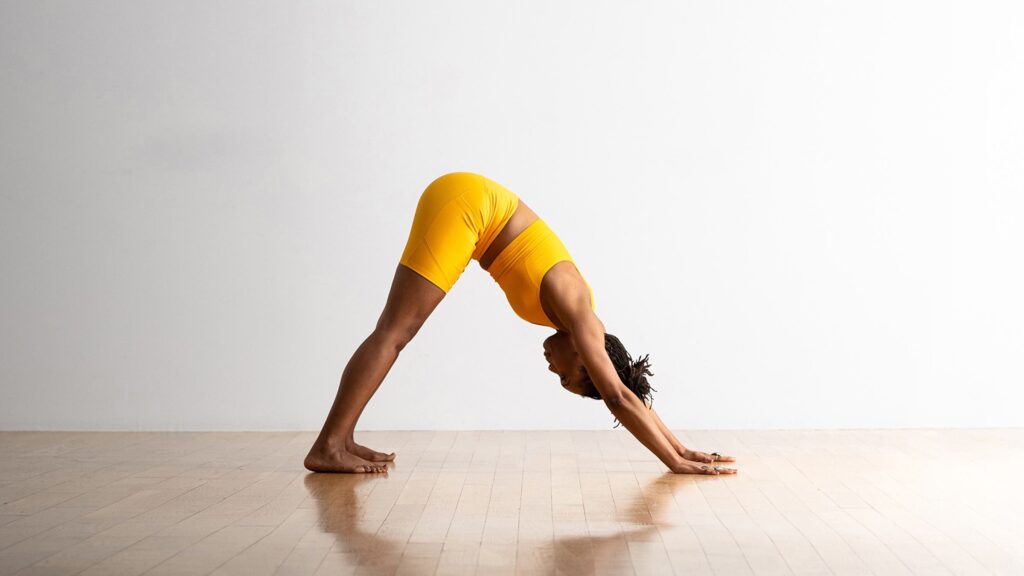
Begin on hands and knees in tabletop position.
Place palms firmly on the mat, fingers spread wide.
Tuck toes under and slowly lift hips upward.
Straighten legs as comfortable, pushing heels toward the floor.
Keep spine long and neck relaxed.
Hold for 5–10 slow breaths.
Benefits
Strengthens arms, shoulders, and legs
Deeply stretches hamstrings, calves, and spine
Improves blood circulation
Helps relieve mild back stiffness
Reduces stress and mental fatigue
Scientific Evidence
Research published in musculoskeletal health studies shows yoga poses like Downward Dog significantly improve flexibility, joint mobility, and muscle endurance, especially in the back and lower limbs.
Avoid / Awareness
Avoid if you have severe wrist pain or recent shoulder injury
People with uncontrolled high blood pressure should not hold long
Bend knees slightly if hamstrings are tight
Pregnant women should practice only under expert supervision
🧘♀️ 2. Bridge Pose (Setu Bandha Sarvangasana)
Definition
Bridge Pose is a gentle back-bend posture performed while lying on the back. It lifts the hips upward, forming a bridge-like shape that strengthens the spine and opens the chest.
Process
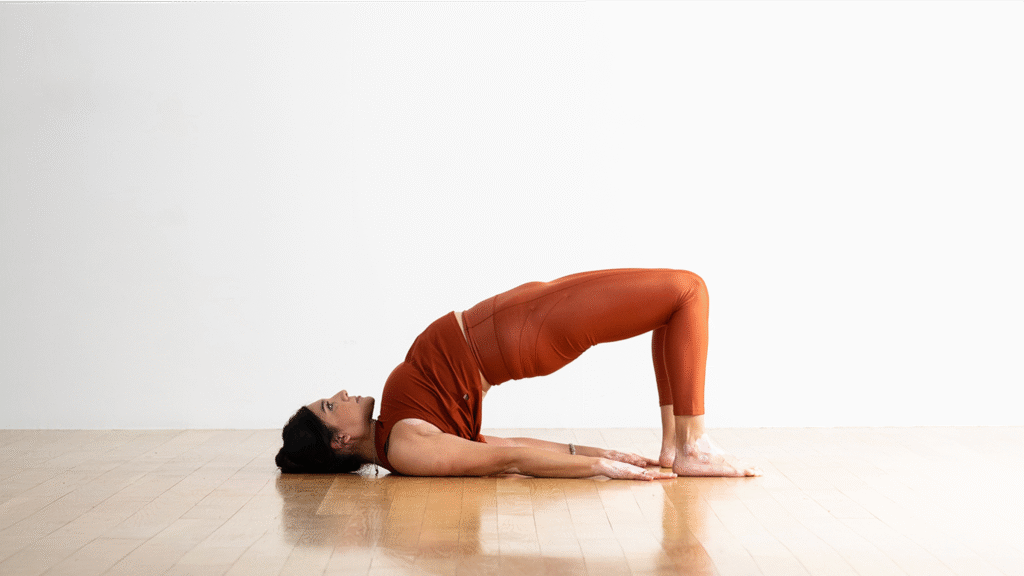
Lie on your back with knees bent and feet flat on the floor.
Keep feet hip-width apart, heels close to hips.
Press feet and arms into the mat.
Lift hips upward while inhaling.
Hold for 30–60 seconds with steady breathing.
Benefits
Strengthens lower back, glutes, and thighs
Opens chest and improves breathing capacity
Stimulates thyroid and abdominal organs
Helps reduce stress and anxiety
Improves posture and spinal health
Scientific Evidence
Clinical studies on yoga interventions show back-bending poses like Bridge Pose improve muscle strength, spinal flexibility, and stress regulation when practiced regularly.
Avoid / Awareness
Avoid if you have neck injury or recent spinal surgery
Do not overstretch the lower back
Use yoga blocks under hips if weak
Avoid long holding during pregnancy without guidance
🧘♂️ 3. Cobra Pose (Bhujangasana)
Definition
Cobra Pose is a gentle spinal extension where the upper body lifts while the lower body remains grounded. It energizes the spine and opens the chest.
Process
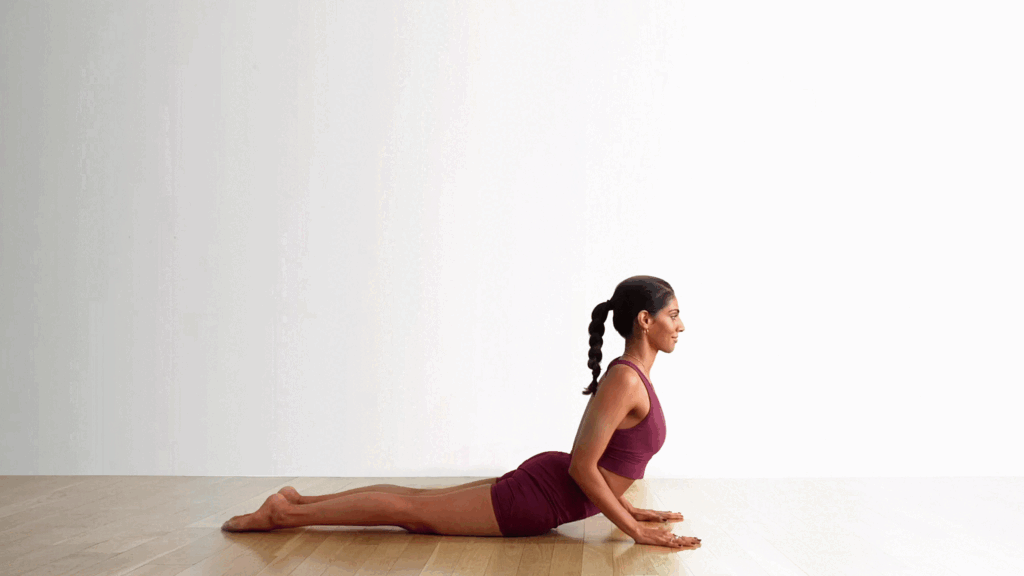
Lie face-down on the mat.
Place palms under shoulders, elbows close to body.
Inhale and gently lift chest using back muscles.
Keep pelvis grounded and shoulders relaxed.
Hold for 15–30 seconds, then release.
Benefits
Strengthens spine and back muscles
Improves digestion by stimulating abdominal organs
Enhances lung capacity
Reduces fatigue and stiffness
Improves posture
Scientific Evidence
Psychophysiological studies confirm yoga back-bends improve energy levels, mood, and spinal function, contributing to overall physical well-being.
Avoid / Awareness
Avoid if you have hernia or severe back pain
Do not lock elbows or overextend neck
Pregnant women should avoid deep back bends
Move slowly and breathe naturally
🧘♀️ 4. Legs-Up-the-Wall Pose (Viparita Karani)
Definition
Viparita Karani is a restorative inversion pose where legs rest vertically against a wall, allowing the body to deeply relax and recover.
Process
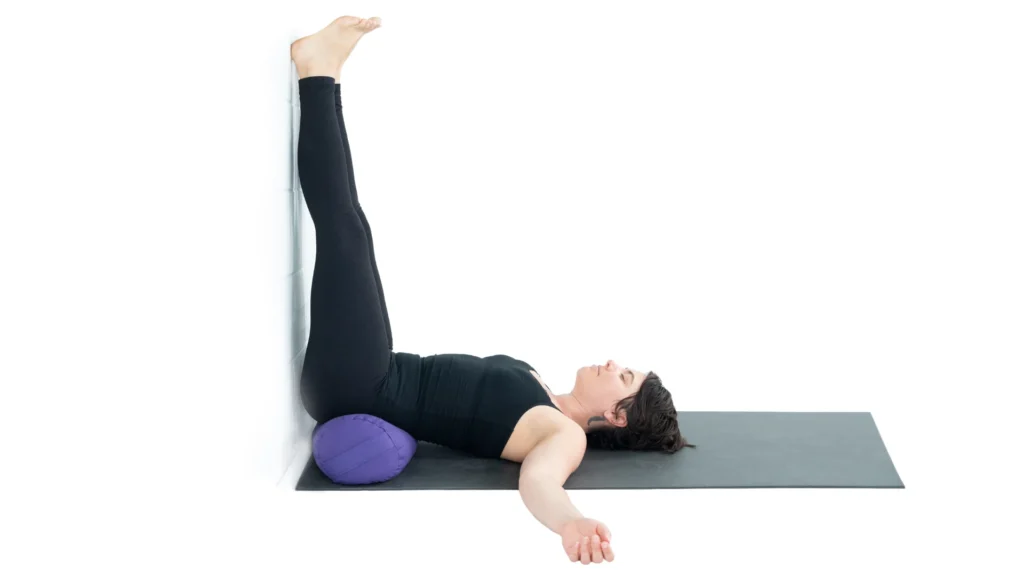
Sit sideways next to a wall.
Gently lie back and raise legs up the wall.
Rest arms comfortably beside the body.
Close eyes and breathe deeply for 2–5 minutes.
Benefits
Improves blood circulation
Relieves tired legs and swelling
Reduces anxiety and insomnia
Calms nervous system
Helps with mild headaches
Scientific Evidence
Studies on restorative yoga show it activates the parasympathetic nervous system, improving heart-rate variability and reducing stress hormones.
Avoid / Awareness
Avoid if you have glaucoma or eye pressure
Come out slowly to avoid dizziness
Use cushion under hips if lower-back sensitive
Do not force legs straight if uncomfortable
🧘♂️ 5. Warrior I (Virabhadrasana I)
Definition
Warrior I is a powerful standing pose symbolizing strength and focus. It builds lower-body stability and mental determination.
Process
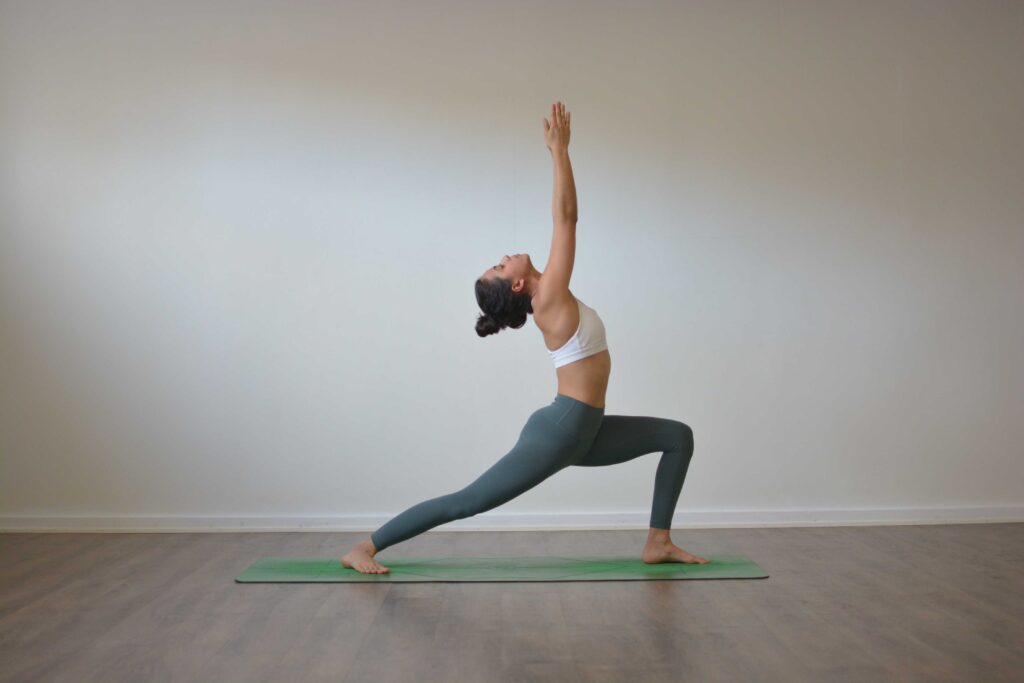
Stand tall, step one foot back.
Bend front knee while back leg stays straight.
Raise arms overhead, palms facing inward.
Keep chest open and gaze forward.
Hold for 5–8 breaths and switch sides.
Benefits
Strengthens legs and hips
Improves balance and posture
Enhances stamina and focus
Opens chest and shoulders
Boosts confidence
Scientific Evidence
Biomechanical research confirms standing yoga poses increase muscle activation, balance control, and joint stability, reducing fall risk.
Avoid / Awareness
Avoid deep knee bend if knee pain exists
Keep hips aligned to prevent strain
Do not arch lower back excessively
Use shorter stance if balance is weak
🧘♀️ 6. Child’s Pose (Balasana)
Definition
Child’s Pose is a gentle resting posture that relaxes the body and mind. It is often used between intense poses for recovery.
Process
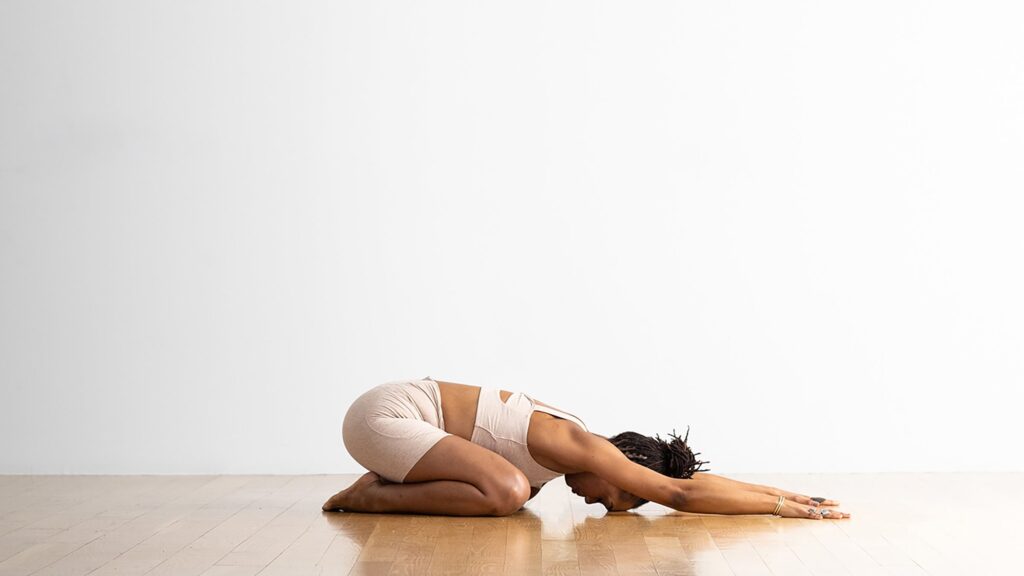
Kneel on the mat, big toes touching.
Sit back on heels and fold forward.
Extend arms or place them beside body.
Rest forehead on the mat.
Breathe slowly for 30–60 seconds.
Benefits
Relieves stress and anxiety
Gently stretches hips and spine
Encourages deep breathing
Calms nervous system
Reduces fatigue
Scientific Evidence
Mental health research shows yoga relaxation poses significantly lower cortisol levels, improving emotional regulation and calmness.
Avoid / Awareness
Avoid if knee injury exists without support
Use cushion under head if neck discomfort
Pregnant women should widen knees
Do not force hips to heels
🧘♂️ Conclusion
Yoga is more than physical exercise—it is a science-backed wellness practice that strengthens the body while calming the mind. These six yoga poses offer a balanced combination of strength, flexibility, relaxation, and mental clarity. When practiced regularly with awareness and proper guidance, yoga can significantly improve quality of life.
⚠️ Important Note:
Always practice yoga under the supervision of a qualified instructor, especially if you have medical conditions, injuries, or are pregnant.
Sources & References
National Center for Complementary and Integrative Health (NCCIH)
U.S. Department of Health & Human Services – Yoga and health research
Harvard Health Publishing
Harvard Medical School – Evidence-based yoga benefits
PubMed
U.S. National Library of Medicine – Peer-reviewed yoga studies
National Institutes of Health (NIH) – PubMed Central (PMC)
Research on yoga, stress reduction, and mental health
Frontiers in Psychology (Peer-Reviewed Journal)
Studies on yoga, mindfulness, and nervous system regulation
Journal of Bodywork and Movement Therapies
Research on yoga asanas, flexibility, strength, and balance
Yoga Journal (Educational Resource)
Pose definitions, alignment, and safety guidelines
American Council on Exercise (ACE)
Yoga biomechanics and injury-prevention insights