Discover 6 effective free hand exercises that build stamina, boost strength, improve endurance, and enhance overall fitness—no equipment needed. Learn step-by-step techniques and safety tips.
6 Free Hand Exercises to Boost Stamina and Strength
January 7, 2026 by N Bhowmik
Building stamina is essential for overall health, physical performance, and mental resilience. Many people assume that stamina can only be built with gym machines or high-tech equipment, but free hand exercises—also called bodyweight exercises—are just as effective, convenient, and accessible. Using only your body weight, these exercises can strengthen muscles, improve endurance, and boost cardiovascular health without requiring any equipment.
Free hand exercises are versatile. They can be performed at home, outdoors, or while traveling. They enhance functional strength, joint mobility, and stamina. In addition, when practiced consistently, they also support mental toughness and focus—qualities that are just as important for stamina as physical strength.
Scientific research confirms that regular bodyweight exercise:
Increases muscular endurance and cardiovascular fitness
Improves lung function and oxygen utilization
Enhances metabolic rate and energy levels
Reduces stress and supports mental resilience
This article explores 6 free hand exercises that are proven to grow stamina. Each exercise is explained with: definition, step-by-step process, benefits, scientific evidence, and safety precautions. Following this guide can help anyone—from beginners to fitness enthusiasts—develop lasting stamina and overall physical health.
🏋️♂️ 1. Push-Ups
Definition
Push-ups are a classic upper-body exercise that strengthens the chest, shoulders, triceps, and core while improving muscular endurance and stamina. They are foundational in most fitness routines because they combine strength building with cardiovascular demand.
Process (How to Do It)
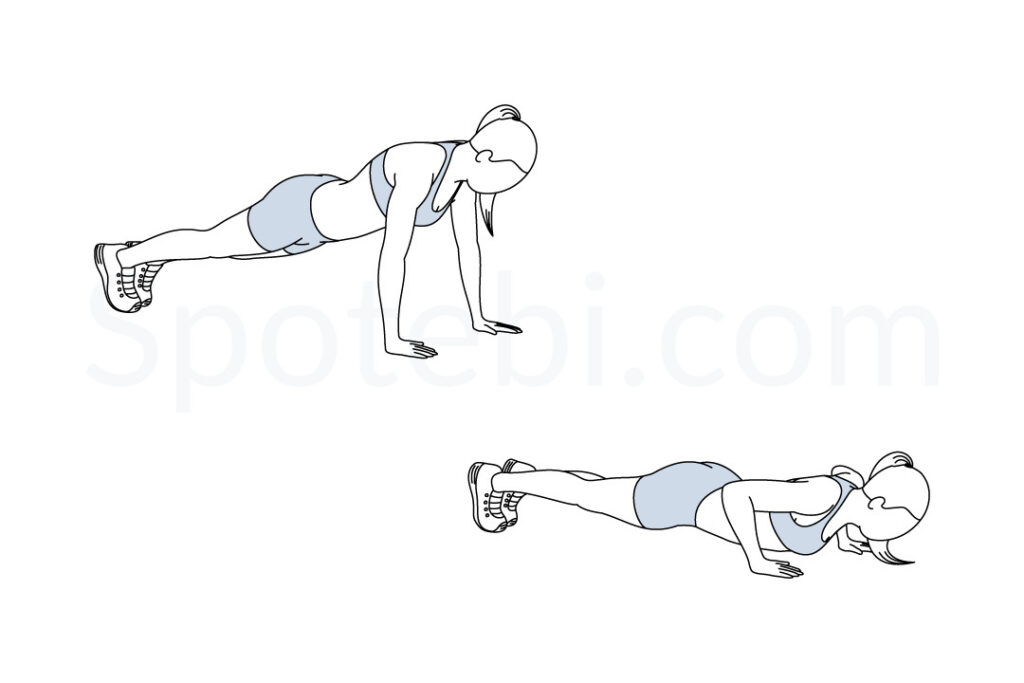
Begin in a plank position, with hands slightly wider than shoulder-width.
Keep your body straight from head to heels, engaging your core.
Inhale and lower your chest slowly toward the floor.
Exhale as you push back up to the starting position.
Perform 3 sets of 10–20 repetitions, adjusting for your fitness level.
Benefits
Strengthens chest, arms, and core muscles
Improves muscular endurance and overall upper-body stamina
Enhances functional strength for daily movements
Boosts metabolic rate when done in high repetitions
Scientific Evidence
Research in sports science journals demonstrates that push-ups increase upper-body muscular endurance and stimulate heart rate, improving cardiovascular efficiency. Studies also show high-repetition push-ups can improve fatigue resistance in the upper body over time.
Extra Awareness
Avoid if you have wrist, shoulder, or elbow injuries.
Keep your back straight to prevent lower back strain.
Beginners can modify by doing knee push-ups or incline push-ups.
Always maintain steady breathing throughout the movement.
🏃♂️ 2. Squats
Definition
Squats are a fundamental lower-body exercise that engages the thighs, glutes, hips, and core. They build strength, improve endurance, and directly contribute to stamina by requiring energy from both large and stabilizing muscles.
Process
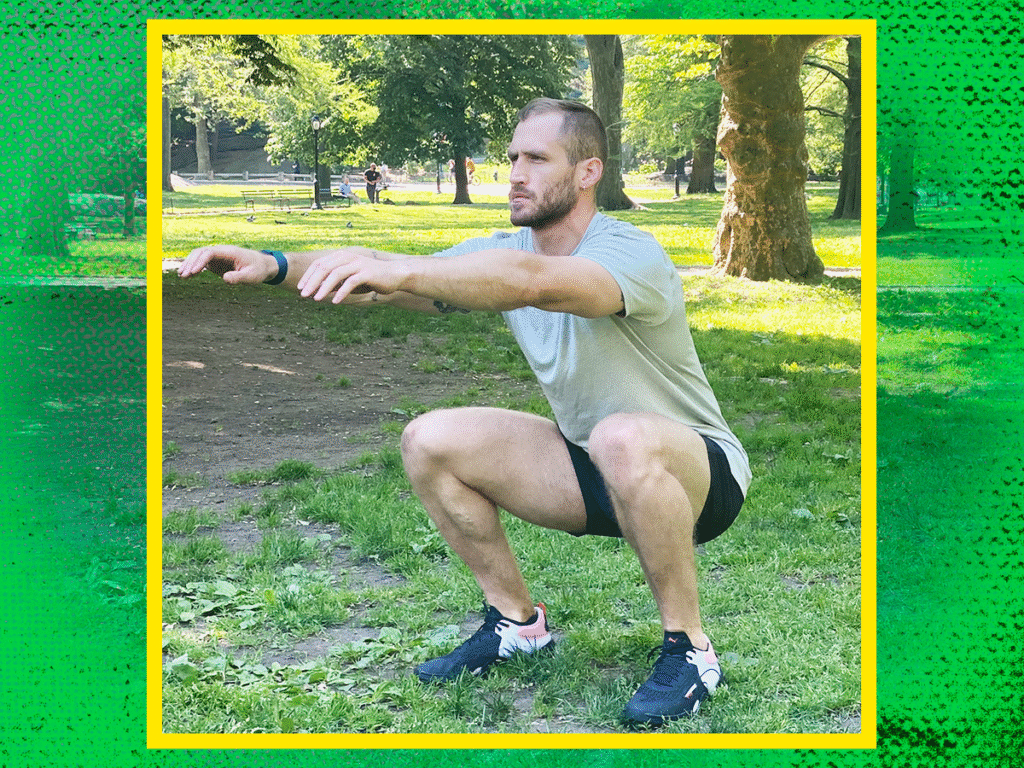
Stand with feet shoulder-width apart, toes slightly outward.
Bend knees and lower hips as if sitting in a chair, keeping the back straight and chest upright.
Inhale while lowering and exhale while rising back up.
Perform 3 sets of 15–20 repetitions.
Benefits
Strengthens quadriceps, hamstrings, glutes, and hip muscles
Improves lower-body endurance and stamina
Enhances cardiovascular fitness by slightly raising heart rate
Supports balance, coordination, and posture
Scientific Evidence
Clinical studies show repeated squats increase muscular endurance and oxygen consumption. This directly improves physical stamina and supports sustained activity in both aerobic and anaerobic exercise.
Extra Awareness
Avoid squats if you have severe knee or hip issues.
Ensure knees do not extend past toes to reduce joint stress.
Use support or hold a wall for balance if needed.
Perform slowly at first to maintain proper form.
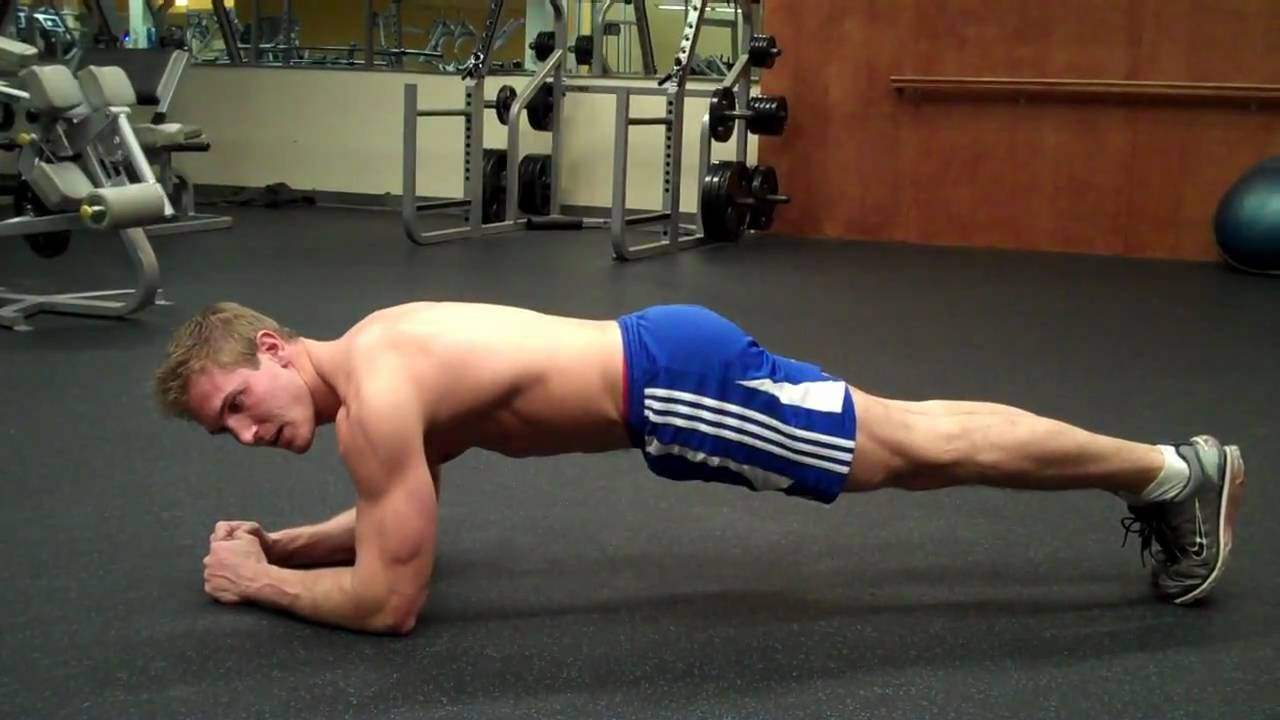
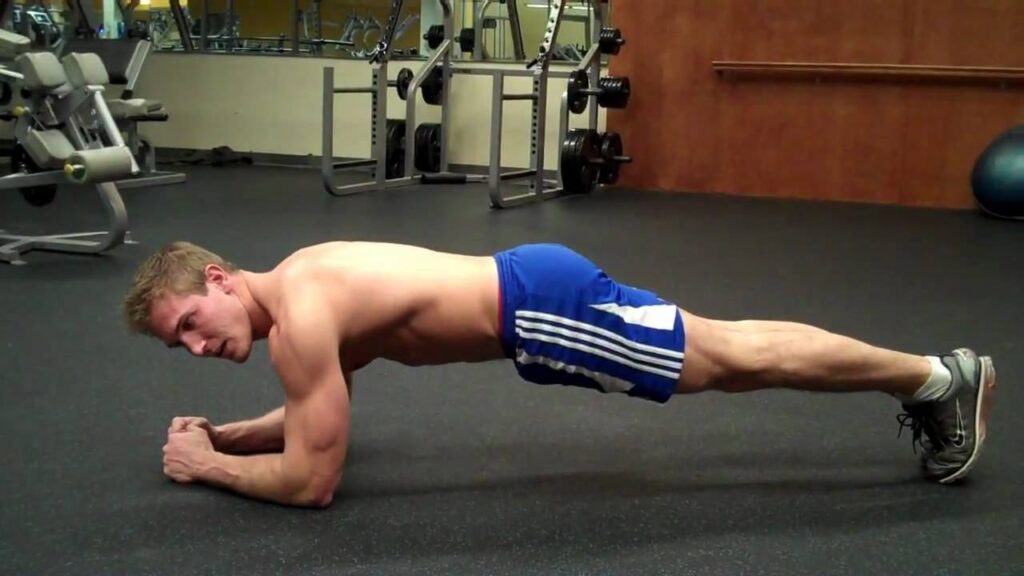
💪 3. Plank
Definition
The plank is an isometric exercise that strengthens the core, back, shoulders, and glutes. It builds muscular endurance without repetitive movement, which improves overall stamina and posture.
Process

Lie face down, then lift your body onto forearms and toes.
Maintain a straight line from head to heels.
Engage your core and hold the position steadily.
Start with 20–30 seconds and gradually work up to 1–2 minutes.
Benefits
Strengthens deep core muscles and stabilizers
Enhances muscular endurance across the upper and lower body
Improves posture and reduces back fatigue
Increases mental focus and stamina for prolonged activities
Scientific Evidence
Exercise physiology studies show that isometric exercises like planks enhance core endurance, reduce fatigue, and support functional stamina by stabilizing key muscle groups.
Extra Awareness
Avoid if you have shoulder or lower back injuries.
Keep hips aligned; do not sag or arch your back.
Beginners can start with shorter hold times and gradually increase.
🏃♀️ 4. Jumping Jacks
Definition
Jumping jacks are a dynamic aerobic exercise that improves cardiovascular endurance, coordination, and muscular stamina. They involve full-body movement that increases heart rate and energy expenditure.
Process
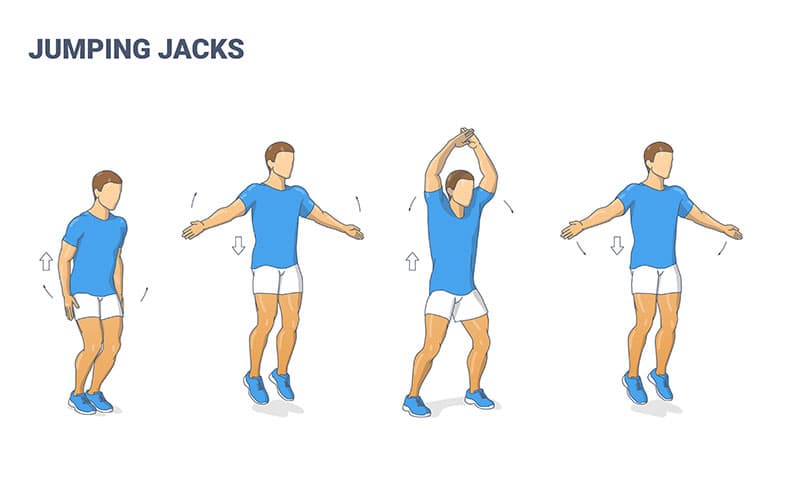
Stand upright with feet together and arms at your sides.
Jump, spreading legs and raising arms overhead.
Return to the starting position with a controlled jump.
Perform 3 sets of 30–60 seconds per set.
Benefits
Raises heart rate and improves cardiovascular stamina
Engages multiple muscle groups simultaneously
Improves coordination and agility
Burns calories and increases energy
Scientific Evidence
High-intensity aerobic exercises like jumping jacks improve VO2 max, endurance, and energy metabolism. They are a simple yet effective way to boost stamina for daily life or athletic performance.
Extra Awareness
Avoid if you have ankle or knee injuries.
Land softly to reduce joint impact.
Use a flat, safe surface to prevent slips.
🤸♂️ 5. Mountain Climbers
Definition
Mountain climbers are a full-body exercise that combines core, arms, and legs, making them highly effective for cardiovascular stamina and muscular endurance.
Process
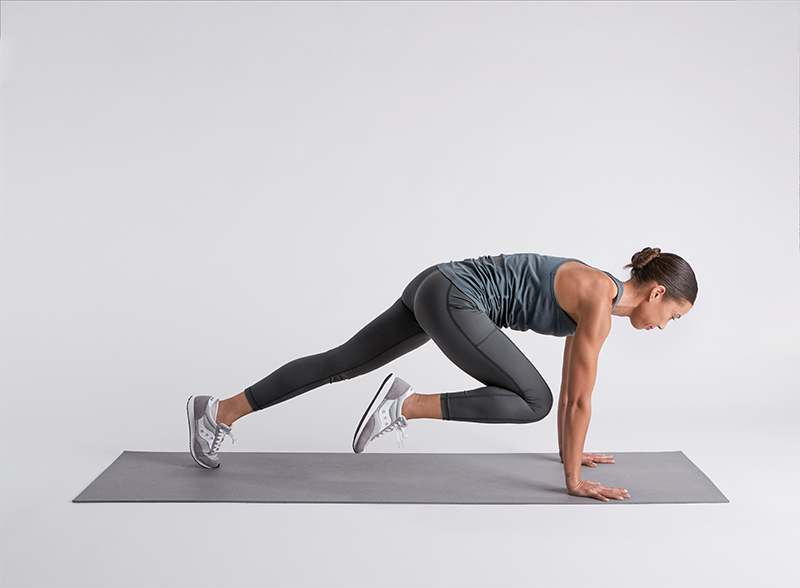
Start in a plank position with arms straight.
Bring one knee toward your chest, then switch legs quickly in a running motion.
Maintain a steady pace without lifting hips.
Perform 3 sets of 30–60 seconds.
Benefits
Builds core, upper body, and lower body strength
Increases cardiovascular endurance
Enhances agility, speed, and stamina
Burns calories efficiently
Scientific Evidence
Exercise physiology studies confirm that high-intensity, bodyweight exercises like mountain climbers increase heart rate, muscular endurance, and overall stamina.
Extra Awareness
Avoid if you have wrist, knee, or lower back injuries.
Maintain proper posture to prevent strain.
Start slowly and increase pace as stamina improves.
🏋️♀️ 6. Burpees
Definition
Burpees are a high-intensity full-body exercise combining a squat, plank, and jump. They are one of the most effective free-hand exercises to build both muscular and cardiovascular endurance simultaneously.
Process
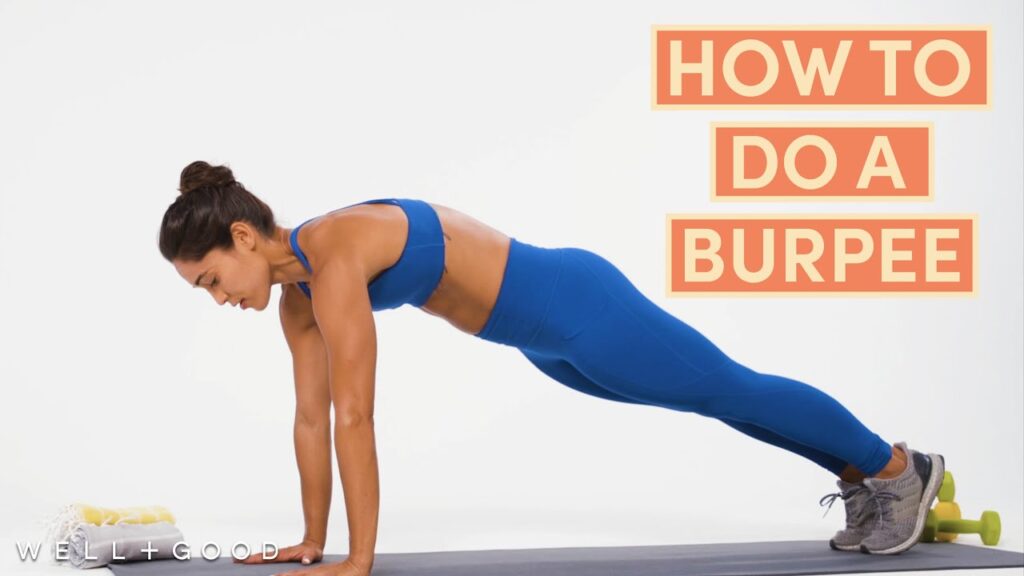
Stand upright with feet shoulder-width apart.
Drop into a squat and place hands on the floor.
Jump your feet back into a plank position.
Jump feet forward into a squat and explode upward into a jump.
Perform 3 sets of 8–12 repetitions.
Benefits
Improves cardiovascular endurance and muscular stamina
Strengthens core, legs, arms, and shoulders
Enhances explosive power and agility
Burns calories and increases energy efficiency
Scientific Evidence
High-intensity, bodyweight exercises like burpees improve VO2 max, muscular endurance, and cardiovascular fitness, making them highly effective for stamina building.
Extra Awareness
Avoid if you have joint, wrist, or shoulder injuries.
Perform movements slowly at first to avoid strain.
Modify by skipping the jump if needed.
🌟 Conclusion
Free hand exercises are a convenient, effective, and science-backed way to grow stamina, strengthen muscles, and improve cardiovascular endurance. Push-ups, squats, planks, jumping jacks, mountain climbers, and burpees provide a full-body workout that increases energy levels, enhances functional strength, and supports overall health.
Practicing these exercises consistently with proper form ensures gradual improvement in stamina and physical endurance. Free hand exercises are ideal for all ages and fitness levels, offering the flexibility to work out anywhere, anytime.
By including these exercises in your daily routine, you can expect not only improved physical stamina but also increased mental resilience, focus, and confidence.
⚠️ Important Awareness Note
Warm up before and cool down after exercises.
Consult a fitness professional if you have chronic health conditions, injuries, or are new to exercise.
Focus on form over speed or quantity to prevent injuries.
Stop immediately if pain or discomfort occurs.
Sources & References
National Center for Complementary and Integrative Health (NCCIH) – Bodyweight Exercise Benefits
American College of Sports Medicine (ACSM) – Exercise Guidelines and Stamina Development
Harvard Health Publishing – Strength and Cardiovascular Exercise Research
PubMed – Peer-reviewed studies on muscular endurance and bodyweight workouts
National Institutes of Health (NIH) – Research on functional fitness and stamina
Journal of Strength and Conditioning Research – Evidence on high-intensity bodyweight exercises
American Council on Exercise (ACE) – Exercise physiology and endurance studies