Breaking: U.S. forces capture Venezuelan President Nicolás Maduro in a daring operation, while the United States secures 30–50 million barrels of Venezuelan oil. The historic move shakes global energy markets, sparks international debate, and signals a major shift in U.S. foreign policy and energy strategy.
Trump’s Bold Stroke: US Captures Maduro, Secures Massive Venezuelan Oil Deal in Historic Operation
Announcement and Immediate Impact
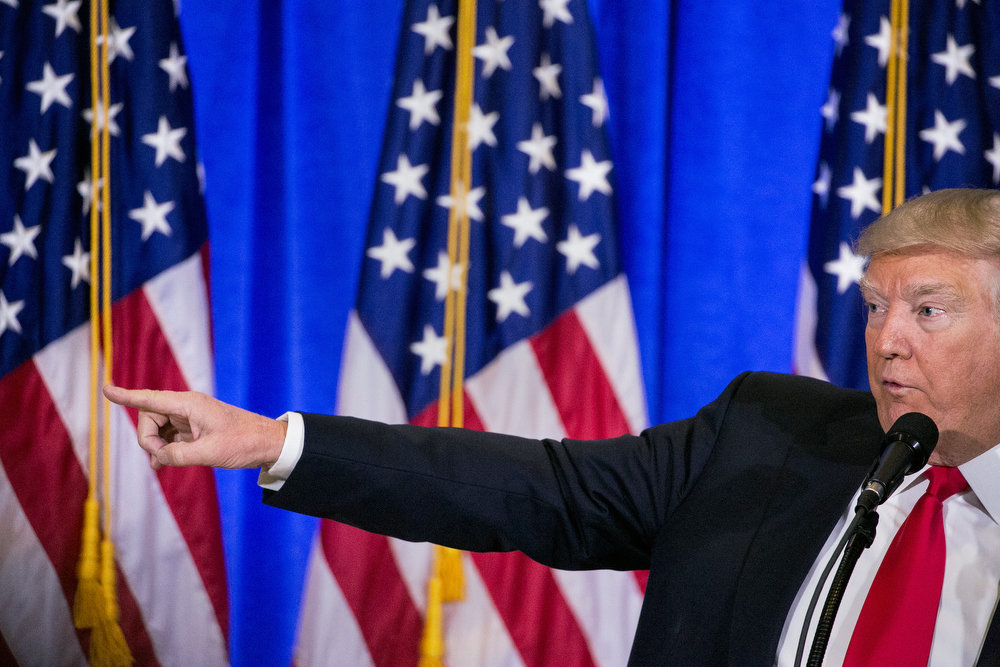
On January 7, 2026, President Donald Trump stood before reporters in the White House briefing room and delivered one of the most stunning announcements of his second term: the United States had successfully captured Venezuelan President Nicolás Maduro and his wife, Cilia Flores, in a daring overnight military operation. In the same breath, he revealed that America had secured an agreement to receive 30 to 50 million barrels of Venezuelan crude oil at market prices. This dual revelation sent shockwaves through global markets, diplomatic circles, and political arenas alike. Oil futures dipped slightly on the news of new supply, while analysts scrambled to assess the geopolitical fallout. Trump described the mission as “flawless” and the oil transfer as a deal that would “benefit the people of both countries.” He suggested proceeds could fund reconstruction in Venezuela or bolster US strategic reserves. The announcement capped days of intense speculation after reports of explosions and aircraft activity over Caracas surfaced on social media. For many Americans, the news evoked memories of high-stakes operations from past administrations, but with a distinctly Trumpian twist: military success paired with an immediate economic windfall. Critics quickly labeled it resource-driven imperialism, while supporters hailed it as decisive leadership against a long-indicted dictator. The operation, codenamed “Absolute Resolve,” marked a dramatic escalation in US policy toward Venezuela, ending years of sanctions, diplomatic pressure, and failed negotiation attempts. As images of Maduro in custody began circulating, the world grappled with the reality that a sitting head of state had been apprehended by foreign forces and brought to American soil to face justice.
Details of the Raid
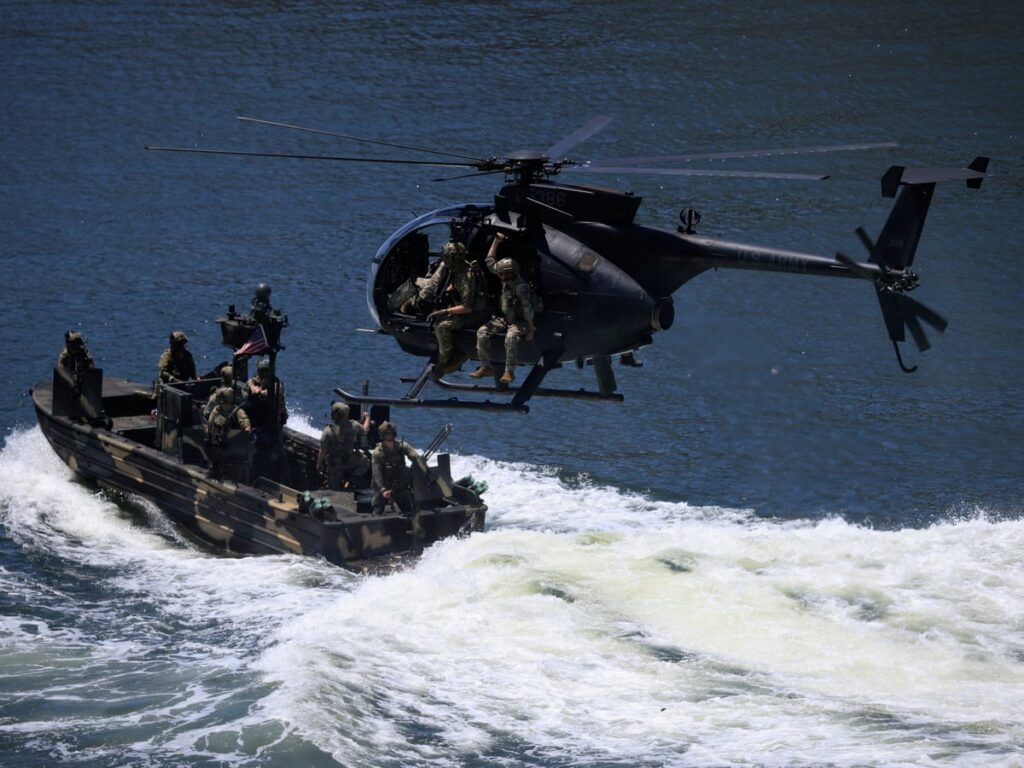
Operation Absolute Resolve began in the early hours of January 3, 2026, Caracas time, when more than 150 US aircraft filled the skies over Venezuela’s capital. Elite special forces, supported by cyber units that disrupted communications and air defenses, executed a precision strike on Maduro’s fortified residence. Eyewitnesses reported deafening explosions, low-flying helicopters, and streaks of light across the night sky. The compound, long considered impregnable, was breached within minutes. Troops located Maduro and his wife, apprehending them without resistance from the targets themselves, though scattered defensive fire from loyalist guards resulted in brief exchanges. Seven American service members sustained injuries during the exfiltration phase, but no US fatalities were reported. Maduro was immediately airlifted to a secure location and then transferred to New York, where he made a dramatic court appearance, pleading not guilty while shouting accusations against the United States before being silenced by the judge. The operation’s scale—combining air superiority, ground assault, and real-time intelligence—was described by military sources as one of the most complex apprehensions in modern history. Planning had reportedly been underway for months, accelerated after intelligence indicated Maduro was attempting last-minute negotiations for personal immunity and oil concessions. Trump had rejected those overtures, insisting on full accountability. The mission showcased advanced coordination between the Pentagon, CIA, and special operations commands, proving that even heavily guarded leaders could be reached when US resolve was absolute.
The Oil Agreement Explained
The centerpiece of Trump’s announcement was the oil deal: 30 to 50 million barrels of Venezuelan crude to be delivered at prevailing market rates, potentially worth $2–3 billion depending on Brent pricing. This volume, while only a fraction of Venezuela’s vast reserves—the largest proven in the world—represents an immediate and substantial influx for US refiners. Trump emphasized that American companies like Chevron and ConocoPhillips would lead efforts to restore production, with investments reimbursed through future output. He claimed the US had effectively “built” Venezuela’s oil industry decades ago and was now reclaiming access to revitalize it. The agreement redirects barrels previously destined for China, dealing a blow to Beijing’s energy strategy in Latin America. Interim Venezuelan authorities, cooperating with the post-Maduro transition, have facilitated the transfer, signaling willingness to work with Washington. However, logistical hurdles remain significant. Venezuela’s heavy, sour crude requires specialized refining capacity, much of which exists on the US Gulf Coast but has been underutilized due to prior sanctions. Decades of neglect have left pipelines, pumps, and wells in disrepair, meaning full production recovery could take years and tens of billions in investment. Environmental advocates have raised alarms about increased heavy-oil processing and its carbon footprint. Economists note potential downward pressure on global prices, benefiting American consumers at the pump. For Trump, the deal fulfills campaign promises of energy dominance and using military strength to secure economic advantages, framing it as “peace through strength” applied to resource geopolitics.
Global Reactions and Legal Questions
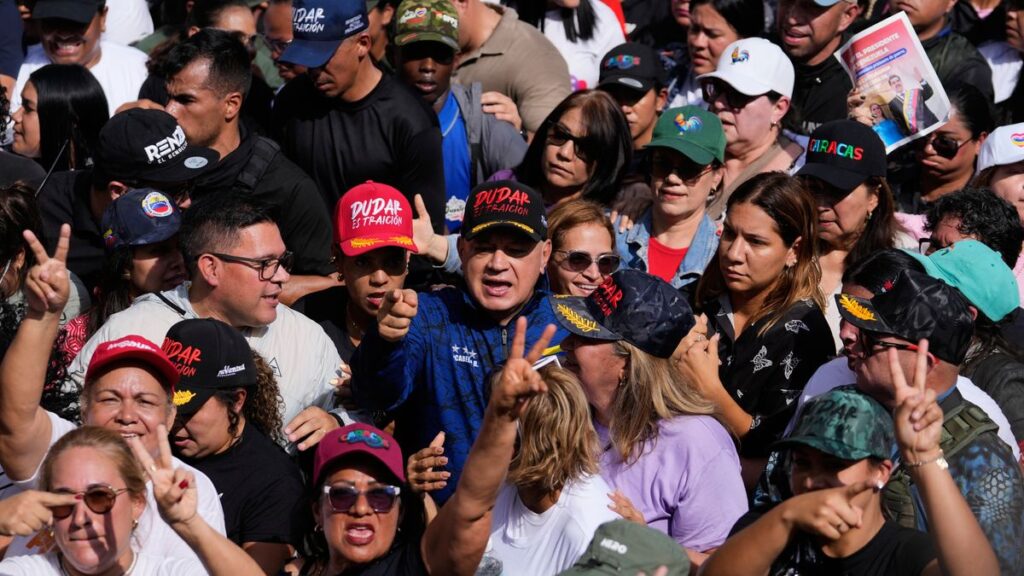
The international community reacted with a mix of condemnation, cautious approval, and outright shock. Russia, Iran, and Cuba denounced the operation as illegal aggression and a violation of sovereignty, with Moscow reportedly escorting a Venezuelan tanker to prevent US boarding. China expressed “grave concern” over disruption to its oil supplies. In contrast, Colombia and several other Latin American neighbors quietly welcomed Maduro’s removal, viewing it as an end to a regime that fueled regional instability and migration crises. European allies urged restraint and a swift return to democratic processes. Within the US, partisan lines hardened quickly. Republican leaders praised the mission’s success and the oil dividend as proof of effective leadership. Democratic figures, while acknowledging Maduro’s indictments, questioned the absence of congressional authorization and warned of blowback risks. Legal scholars debated whether the action constituted an act of war or a lawful law-enforcement operation against an indicted fugitive. Fact-checks clarified that previous administrations had indeed pursued Maduro’s arrest through bounties and sanctions, countering Trump’s claims of total prior inaction. Human rights organizations expressed concern over potential power vacuums and called for transparent transition plans. On social media, hashtags like #MaduroCaptured and #VenezuelaOil trended globally, reflecting polarized opinions from celebration to outrage.
Maduro’s Fate and Venezuela’s Uncertain
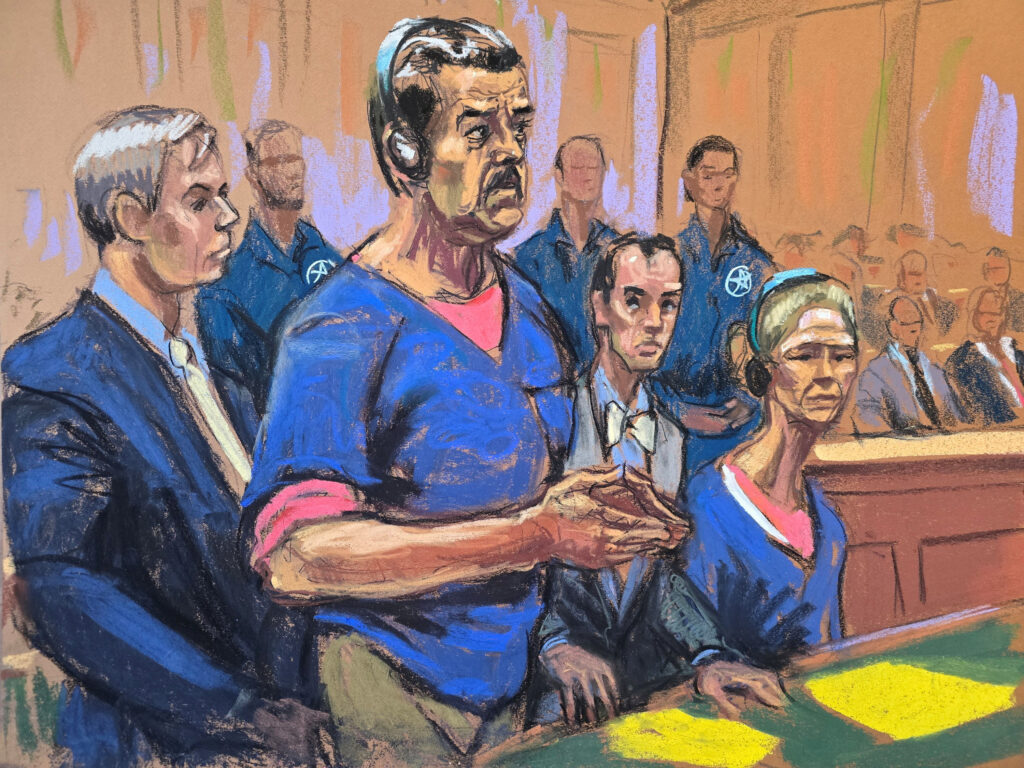
Nicolás Maduro now faces trial in New York on charges including narcoterrorism, drug trafficking, and corruption—offenses carrying potential life sentences. His capture ends a 12-year tenure defined by economic collapse, hyperinflation, mass emigration of over seven million citizens, and brutal suppression of dissent. With Maduro and his inner circle removed, interim authorities have signaled cooperation on oil transfers and security. Trump promised free and fair elections, humanitarian aid, and US oversight only until stability returns. Opposition leaders exiled during Maduro’s rule, including María Corina Machado, have announced plans to return and organize democratic processes. Yet uncertainty looms large. Factions within the military and Chavista movement could resist, sparking violence or insurgency. The country’s institutions—courts, legislature, electoral council—remain stacked with regime loyalists, complicating genuine reform. Economic revival hinges on lifting sanctions, attracting investment, and rebuilding infrastructure devastated by mismanagement and corruption. The oil deal offers a lifeline, but only if production ramps up sustainably. Citizens, weary from years of hardship, express cautious hope mixed with skepticism about foreign intervention. The US has pledged not to occupy indefinitely, but historical precedents in the region fuel fears of prolonged entanglement. As the world watches, Venezuela stands at a crossroads: potential rebirth under democratic governance or descent into further chaos.
Long-Term Implications for US Foreign Policy
This operation redefines Trump’s second-term foreign policy as aggressively transactional and militarily assertive. By pairing regime change with immediate resource gains, it blends “America First” economics with decisive use of force. Success here could embolden similar actions elsewhere, signaling to adversaries that US indictments carry real consequences. Energy markets may see prolonged downward pressure as Venezuelan output gradually returns, weakening OPEC+ cohesion and Russia’s leverage. Domestically, the mission bolsters Trump’s image among his base as a strong leader delivering tangible benefits—lower gas prices and justice against a drug-trafficking dictator. However, risks abound: escalation with Russia or China over maritime interceptions, terrorist retaliation, or a costly nation-building quagmire. Congressional critics may push for oversight hearings, testing executive war powers. Globally, the precedent unsettles smaller nations wary of superpower intervention. Environmentalists decry expanded heavy-oil reliance amid climate goals. Historians will debate whether this marks a return to early-20th-century gunboat diplomacy or a new model of targeted, outcome-driven operations. January 2026 will be remembered as the moment America dramatically altered Venezuela’s trajectory—and its own approach to global leadership—through a fusion of military precision and economic pragmatism. The full consequences, both intended and unforeseen, will unfold over the coming years.
Sources/ references:-
- Reuters
- Associated Press (AP News)
- ABC News
- CBS News
- NBC News
- Al Jazeera
- Bloomberg
- The Guardian
- The New York Times
- The Washington Post
- U.S. Department of Defense briefings
- White House Press Briefing (January 2026)
- U.S. Federal Court Records (Southern District of New York)