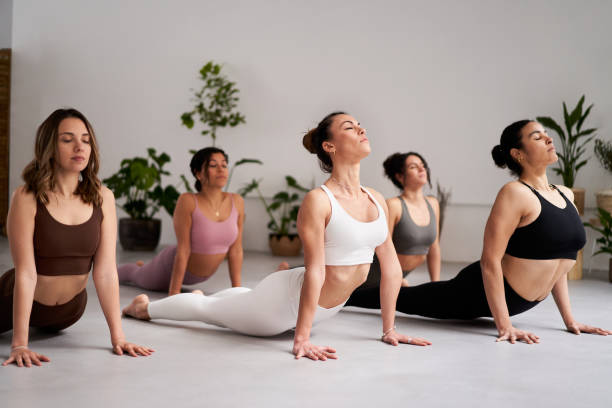
Research-backed evidence suggests five yoga poses—Mountain, Downward Dog, Warrior II, Tree, and Seated Forward Bend—may improve flexibility, balance, strength, stress relief, and mental well-being when practiced regularly.
By Health Desk
Published: January 8, 2026 | 9:00 AM EST
New York, United States
Interest in mind–body wellness has surged across the United States and globally, with millions turning to practices that enhance physical fitness while alleviating stress, anxiety, and mental fatigue. Yoga, an ancient discipline originating from India, has gained substantial attention from health researchers, medical institutions, and wellness experts. Institutions like the National Institutes of Health (NIH) and Harvard Medical School have funded and reviewed studies exploring yoga’s role in integrative health.
Unlike intense, high-impact exercises, yoga emphasizes adaptability, making it suitable for diverse age groups, fitness levels, and health conditions. Systematic reviews and meta-analyses, such as those published in journals like the Journal of Pain and Psychoneuroendocrinology, indicate that regular yoga practice can improve flexibility, strength, balance, cardiovascular health, and psychological well-being. For instance, a comprehensive review of randomized controlled trials (RCTs) found small to moderate positive effects on mental health outcomes, including reduced anxiety, depression, and stress, alongside physical benefits like better posture and reduced fall risk in older adults.
Experts consistently caution that yoga is not a cure-all and should complement conventional medical care. However, evidence from over 100 RCTs suggests that combining physical postures (asanas), controlled breathing (pranayama), and mindfulness can foster holistic wellness. Benefits are most pronounced with consistent practice—ideally 150 minutes or more per week—and vary based on individual factors like age, health status, and instruction quality.
This expanded article explores five yoga poses commonly studied in wellness research: Mountain Pose (Tadasana), Downward-Facing Dog (Adho Mukha Svanasana), Warrior II (Virabhadrasana II), Tree Pose (Vrikshasana), and Seated Forward Bend (Paschimottanasana). For each, we detail the pose, step-by-step practice, evidence-based benefits for physical and mental health, and safety considerations.
1. Mountain Pose (Tadasana)
Mountain Pose serves as the foundational standing posture in most yoga styles, often used to initiate sequences and cultivate awareness.
What Research Indicates
Studies on posture and balance frequently highlight Tadasana for its role in musculoskeletal alignment. Research from Cleveland Clinic and Yoga Journal notes that simple standing poses like this improve postural habits, body awareness, and stability. A review of yoga for fall prevention in older adults links practices including Tadasana to reduced fall risk through enhanced balance.
Common Practice (Process)
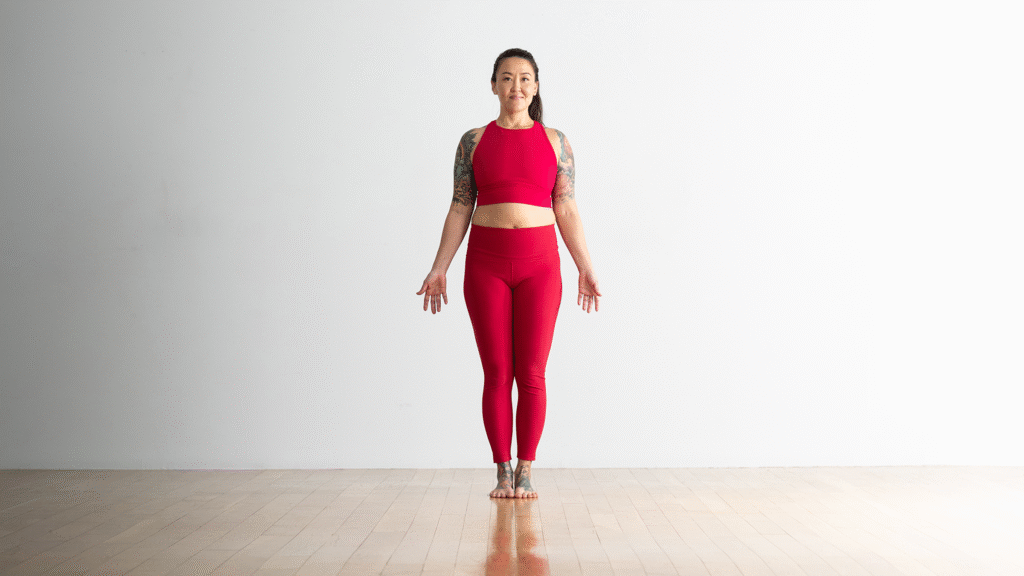
Stand with feet together or hip-width apart for stability.
Distribute weight evenly across both feet, engaging the thighs and lifting the kneecaps.
Lengthen the spine, tuck the tailbone slightly, and relax shoulders away from ears.
Extend arms by sides, palms forward, or bring hands to prayer position at the chest.
Gaze forward at a fixed point and breathe deeply for 30–60 seconds or longer.
This pose resets alignment and grounds the practitioner, often starting or transitioning sessions.
Potential Physical Benefits
Evidence suggests Tadasana may:
Improve spinal alignment and posture, countering slouching from daily habits.
Enhance balance and stability, strengthening feet, ankles, and legs.
Activate core muscles and improve neuromuscular control.
Boost overall body awareness, beneficial for daily movement.
Mental Well-Being Aspect
Upright postures combined with mindful breathing are associated with greater concentration, reduced distraction, and lower stress. Mindfulness-based yoga studies show improvements in anxiety and well-being.
Safety Awareness
Use a wall or chair for support if balance is impaired. Avoid locking knees; those with low blood pressure should rise slowly from seated poses leading into it.
2. Downward-Facing Dog (Adho Mukha Svanasana)
This iconic inverted V-shape pose is a staple in flow sequences like Sun Salutations.
What Research Indicates
Frequently studied for full-body effects, Downward Dog appears in research on flexibility, strength, and circulation. Reviews note its role as a mild inversion, promoting blood flow and nervous system calming.
Common Practice (Process)
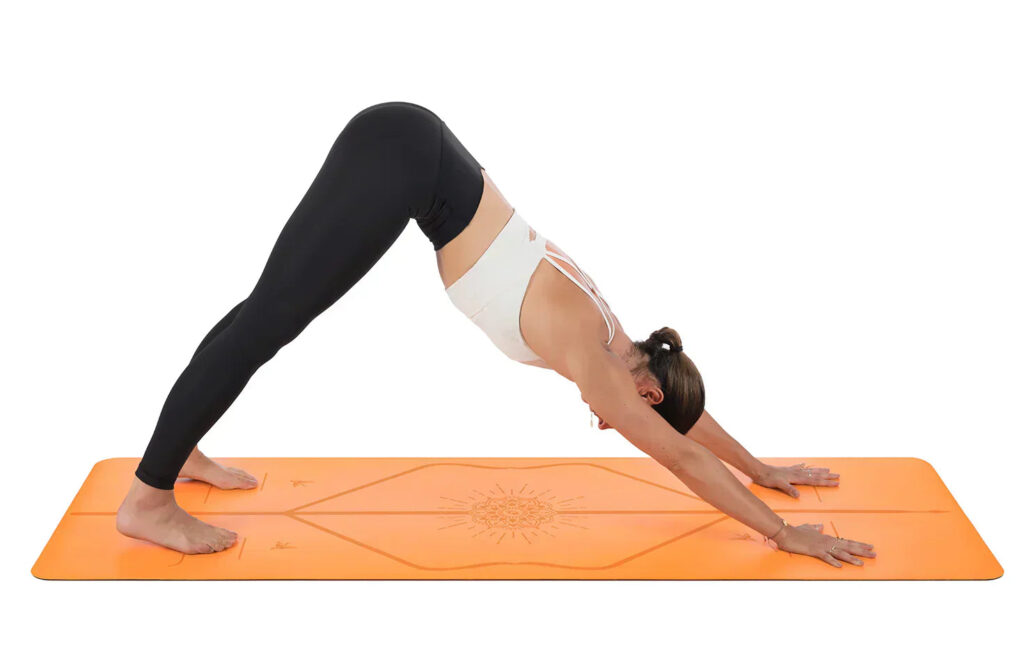
Start on hands and knees (tabletop position).
Tuck toes, lift hips up and back, straightening legs as much as possible.
Spread fingers wide, press evenly into palms, and draw shoulders away from ears.
Heels reach toward the floor (they may not touch).
Hold for 20–60 seconds, breathing steadily.
Potential Physical Benefits
Studies indicate it may:
Stretch hamstrings, calves, shoulders, and spine.
Build upper-body and core strength.
Improve circulation and joint mobility.
Decompress the spine, relieving back tension.
Mental Well-Being Aspect
Inversions with slow breathing activate parasympathetic responses, reducing stress and promoting calm. Yoga meta-analyses link such poses to lower perceived stress and better emotional regulation.
Safety Awareness
Modify with bent knees or forearms down for wrist/shoulder issues. Avoid if high blood pressure or headaches are present without guidance.
3. Warrior II (Virabhadrasana II)
This powerful standing pose embodies strength and focus.
What Research Indicates
Examined in studies on endurance and resilience, Warrior II builds lower-body power while demanding sustained attention.
Common Practice (Process)
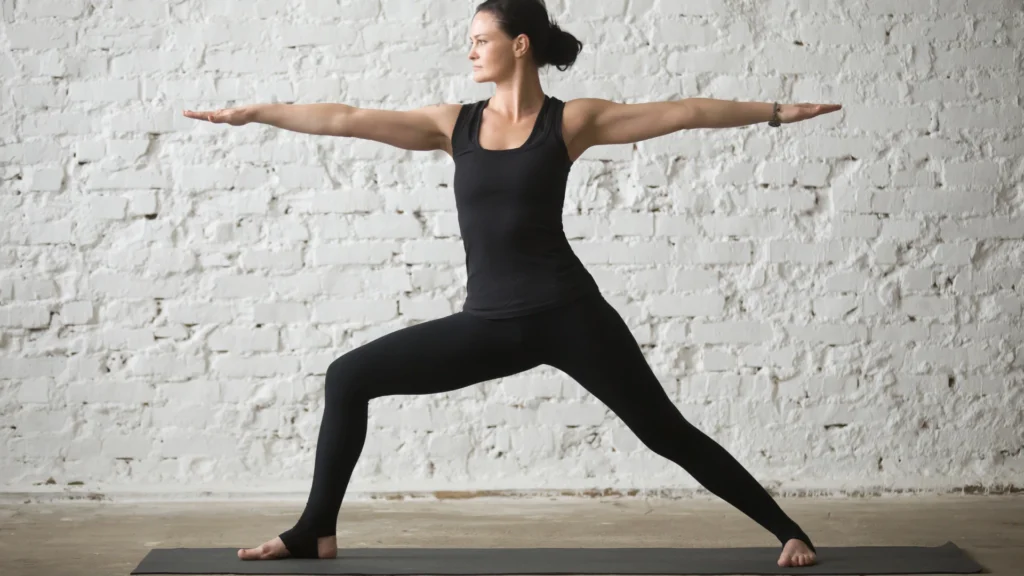
Step feet wide apart (about 4–5 feet).
Turn front foot forward, back foot slightly in.
Bend front knee over ankle, keeping back leg straight.
Extend arms parallel to floor, gaze over front hand.
Hold 20–40 seconds per side.
Potential Physical Benefits
Research on weight-bearing poses suggests:
Strengthens legs, hips, and core.
Improves stamina, balance, and joint stability.
Enhances postural awareness and hip mobility.
Mental Well-Being Aspect
Holding open, strong postures fosters confidence and focus. Psychology studies link such poses to mental resilience and reduced anxiety.
Safety Awareness
Reduce knee bend for hip/knee issues; avoid deep lunges if injured.
4. Tree Pose (Vrikshasana)
A classic balance challenge symbolizing rooted strength.
What Research Indicates
Prominently featured in balance and fall-prevention studies, especially for older adults and osteoporosis patients.
Common Practice (Process)
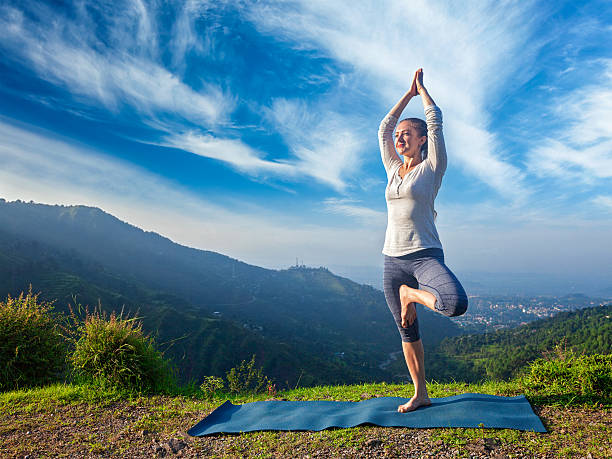
Stand on one leg.
Place opposite foot on inner thigh, calf, or ankle (avoid knee).
Bring hands to prayer or overhead.
Fix gaze on a point; hold 20–60 seconds per side.
Potential Physical Benefits
Evidence shows:
Enhances balance, coordination, and stabilizing muscles.
Strengthens ankles, legs, and core.
Improves neuromuscular control and gait.
Mental Well-Being Aspect
Balance training boosts concentration and emotional regulation, per psychological research.
Safety Awareness
Use wall support; keep toes down for beginners.
5. Seated Forward Bend (Paschimottanasana)
A calming forward fold stretching the posterior chain.
What Research Indicates
Studied for flexibility and relaxation, with reviews noting autonomic nervous system benefits.
Common Practice (Process)
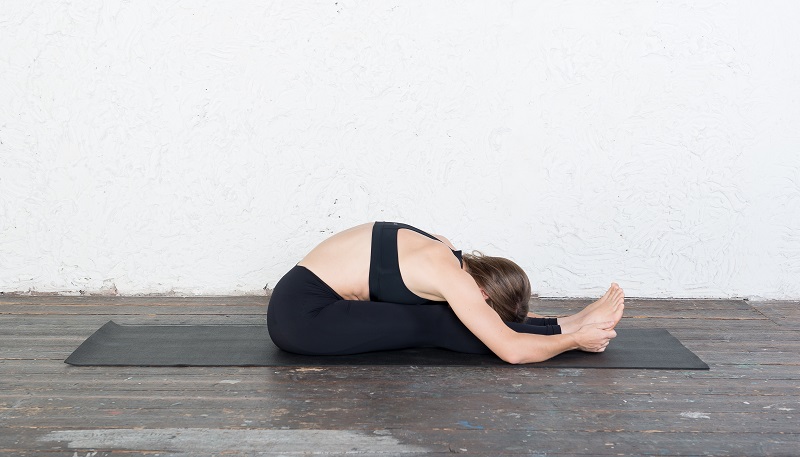
Sit with legs extended.
Inhale to lengthen spine; exhale to hinge forward from hips.
Reach for feet or shins; hold 30–90 seconds.
Potential Physical Benefits
Observations suggest:
Stretches spine, hamstrings, and back.
Releases tension; aids digestion.
Improves spinal flexibility.
Mental Well-Being Aspect
Forward bends activate relaxation responses, reducing stress and anxiety.
Safety Awareness
Bend knees or use props for back issues.
What Health Research Emphasizes Overall
Meta-analyses confirm yoga’s benefits stem from regularity, integrating movement, breath, and focus. Effects include better physical function, reduced depression, and enhanced quality of life.
Safety and Health Disclaimer
Practice mindfully; consult professionals for conditions. This is informational, not medical advice.
Conclusion
Yoga offers sustainable wellness, fostering awareness and resilience. Consistent, safe practice of these poses may support lasting physical strength, flexibility, and mental calm.