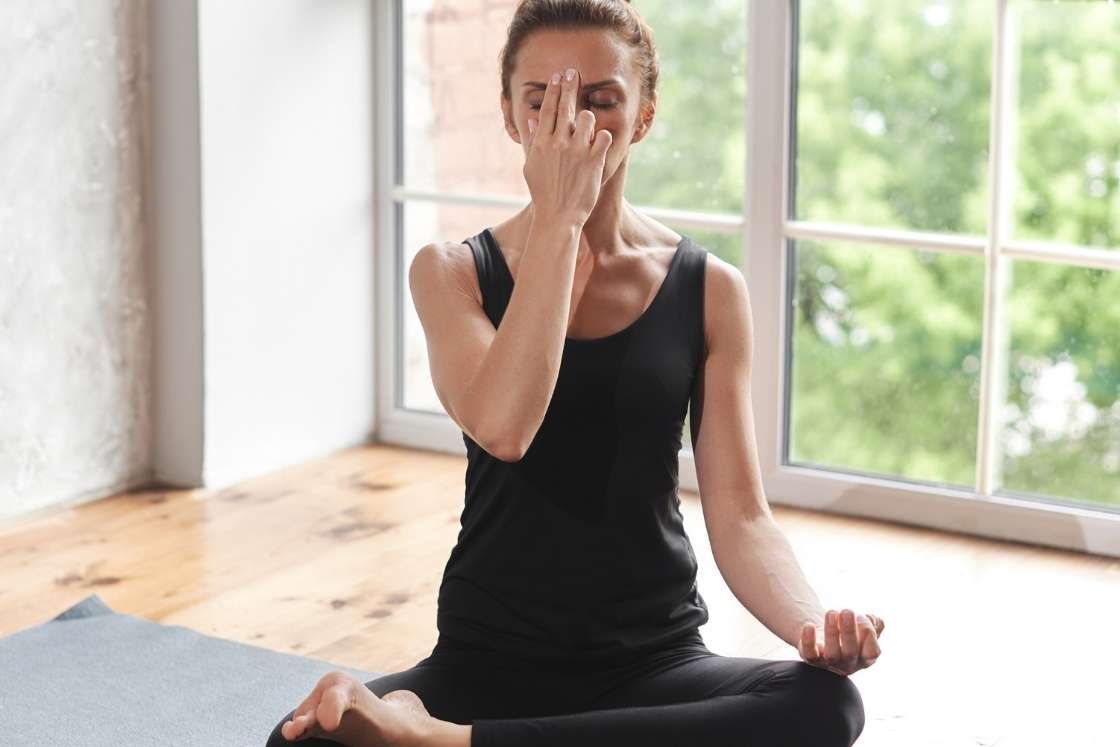
Interest in mind–body wellness has surged across the United States and globally, with millions turning to practices that enhance respiratory efficiency while alleviating stress, anxiety, and mental fatigue. Pranayama, the ancient yogic discipline of breath control originating from India, has gained substantial attention from health researchers, medical institutions, and wellness experts. Institutions like the National Institutes of Health (NIH) and Harvard Medical School have supported reviews and studies exploring pranayama’s role in integrative health.
Unlike rapid or shallow breathing patterns common in modern life, pranayama emphasizes deliberate, controlled respiration, making it accessible for diverse age groups, fitness levels, and health conditions. Systematic reviews and meta-analyses, published in journals such as the International Journal of Yoga and Frontiers in Psychiatry, indicate that regular pranayama practice can improve lung function, cardiovascular parameters, autonomic balance, and psychological well-being. For instance, comprehensive reviews of randomized controlled trials (RCTs) have found moderate effects on reducing anxiety, depression, and perceived stress, alongside physical benefits like enhanced vital capacity, better heart rate variability, and improved oxygen utilization.
Experts consistently caution that pranayama is not a standalone treatment and should complement conventional medical care. However, evidence from numerous RCTs suggests that controlled breathing techniques can foster holistic wellness by activating parasympathetic responses and modulating the stress axis. Benefits are most pronounced with consistent practice—ideally 20–40 minutes daily or 150 minutes weekly—and vary based on individual factors like age, health status, and guidance quality.
This expanded article explores five pranayama techniques commonly studied in wellness research: Alternate Nostril Breathing (Anulom Vilom or Nadi Shodhana), Bellows Breath (Bhastrika), Skull-Shining Breath (Kapalabhati), Humming Bee Breath (Bhramari), and Ocean Breath (Ujjayi). For each, we detail the technique, step-by-step practice, evidence-based benefits for physical and mental health, and safety considerations.
Alternate Nostril Breathing (Anulom Vilom/Nadi Shodhana)
This balanced breathing technique alternates airflow through the nostrils, often used to initiate pranayama sessions and promote equilibrium.
What Research Indicates
Studies on autonomic balance frequently highlight Anulom Vilom for its role in harmonizing sympathetic and parasympathetic activity. Reviews from PubMed and PMC sources note its effects on reducing blood pressure and stress markers. RCTs have linked it to improved heart rate variability and reduced anxiety in healthy adults and clinical populations.
Common Practice (Process)
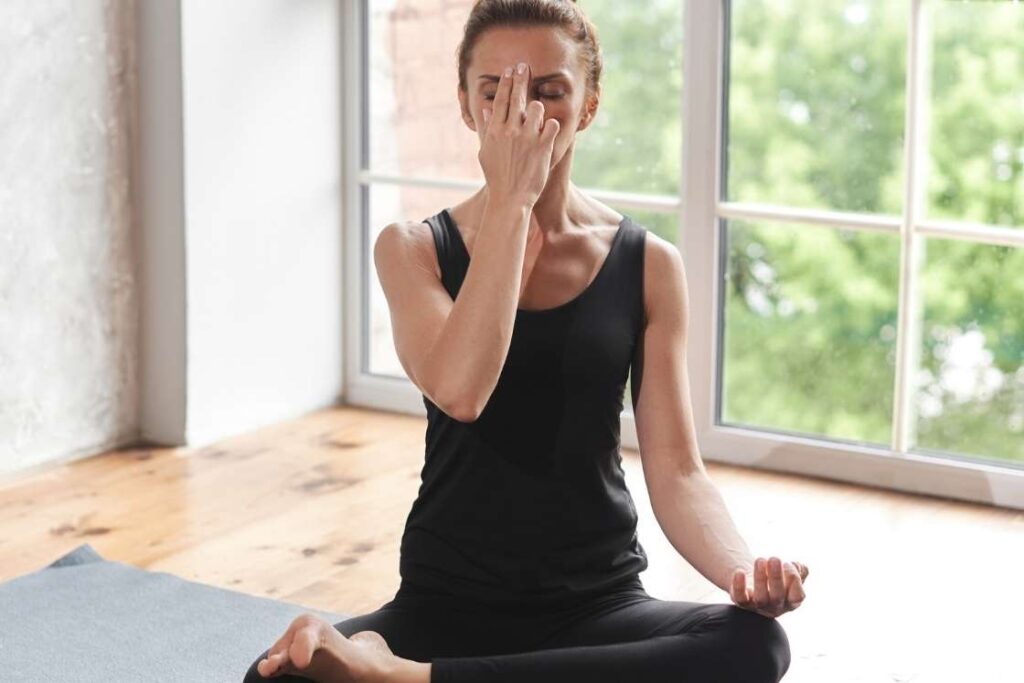
Sit comfortably with a straight spine.
Close the right nostril with the right thumb; inhale slowly through the left nostril.
Close the left nostril with the ring finger; exhale through the right.
Inhale through the right nostril.
Close the right; exhale through the left.
This completes one round; continue for 5–10 minutes, breathing deeply and evenly.
This technique calms the nervous system and is often practiced at the start or end of sessions.
Potential Physical Benefits
Evidence suggests Anulom Vilom may:
Lower blood pressure and improve cardiovascular parameters.
Enhance lung function, including vital capacity and ventilatory volume.
Balance autonomic nervous system activity, promoting parasympathetic dominance.
Improve oxygen saturation and respiratory efficiency.
Mental Well-Being Aspect
Alternate nostril breathing is associated with reduced anxiety, better emotional regulation, and lowered perceived stress. Meta-analyses show improvements in mood and cognitive focus through vagal stimulation.
Safety Awareness
Avoid forceful breathing; those with nasal blockages or recent surgery should consult a professional. Not recommended during acute respiratory infections.
Bellows Breath (Bhastrika)
This energizing technique involves rapid, forceful breaths, resembling a bellows fanning flames.
What Research Indicates
Frequently examined for its stimulating effects, Bhastrika appears in studies on metabolism, lung capacity, and stress resilience. Reviews indicate it increases oxygen supply and activates sympathetic responses temporarily, followed by calm.
Common Practice (Process)
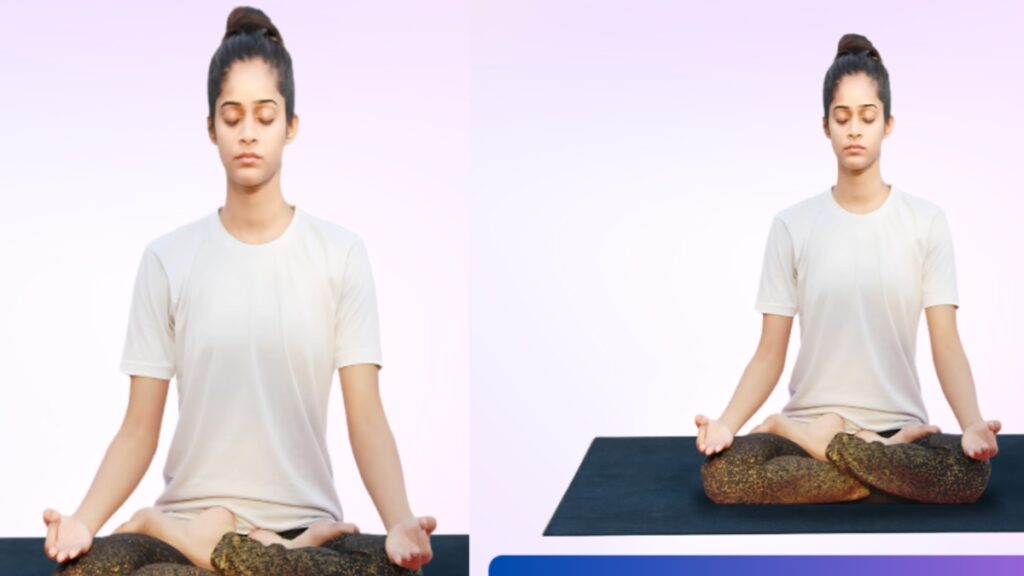
Sit with a straight spine.
Inhale forcefully through the nose, expanding the abdomen.
Exhale forcefully, contracting the abdomen.
Perform 10–20 rapid breaths per round.
Follow with deep breaths or retention if advanced.
Practice 3–5 rounds, building gradually.
Potential Physical Benefits
Studies indicate it may:
Boost lung capacity and clear respiratory passages.
Enhance metabolism and circulation.
Strengthen diaphragmatic muscles and improve ventilatory function.
Increase energy levels and oxygenate blood.
Mental Well-Being Aspect
Bhastrika can reduce anxiety and improve affect by altering brain connectivity. RCTs link it to better emotional processing and reduced stress reactivity.
Safety Awareness
Contraindicated for high blood pressure, heart conditions, pregnancy, or epilepsy. Avoid if dizzy; start slowly under guidance.
Skull-Shining Breath (Kapalabhati)
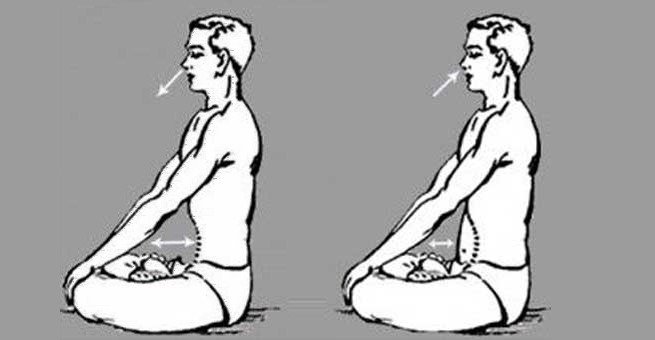
This cleansing technique features passive inhalations and active exhalations, often used for detoxification.
What Research Indicates
Studied for respiratory and cognitive effects, Kapalabhati features in research on pulmonary function and brain activity. It promotes decarboxylation in lungs and enhances alertness.
Common Practice (Process)
Sit comfortably.
Inhale passively; exhale forcefully by contracting abdominal muscles.
Repeat rapidly 20–50 times per round.
Follow with deep breathing.
Perform 3 rounds.
Potential Physical Benefits
Research suggests:
Improves peak expiratory flow and lung clearance.
Strengthens core and abdominal organs.
Enhances digestion and metabolic rate.
Reduces carbon dioxide retention.
Mental Well-Being Aspect
Fast-paced Kapalabhati improves reaction time, concentration, and stress management by stimulating neural pathways.
Safety Awareness
Avoid with abdominal issues, hypertension, or pregnancy. Not for beginners without supervision; stop if lightheaded.
Humming Bee Breath (Bhramari)
This soothing technique mimics a humming bee, vibrating the head and throat.
What Research Indicates
Prominently featured in stress-reduction studies, Bhramari is linked to parasympathetic activation and hormonal balance. Systematic reviews note benefits for anxiety and sleep.
Common Practice (Process)
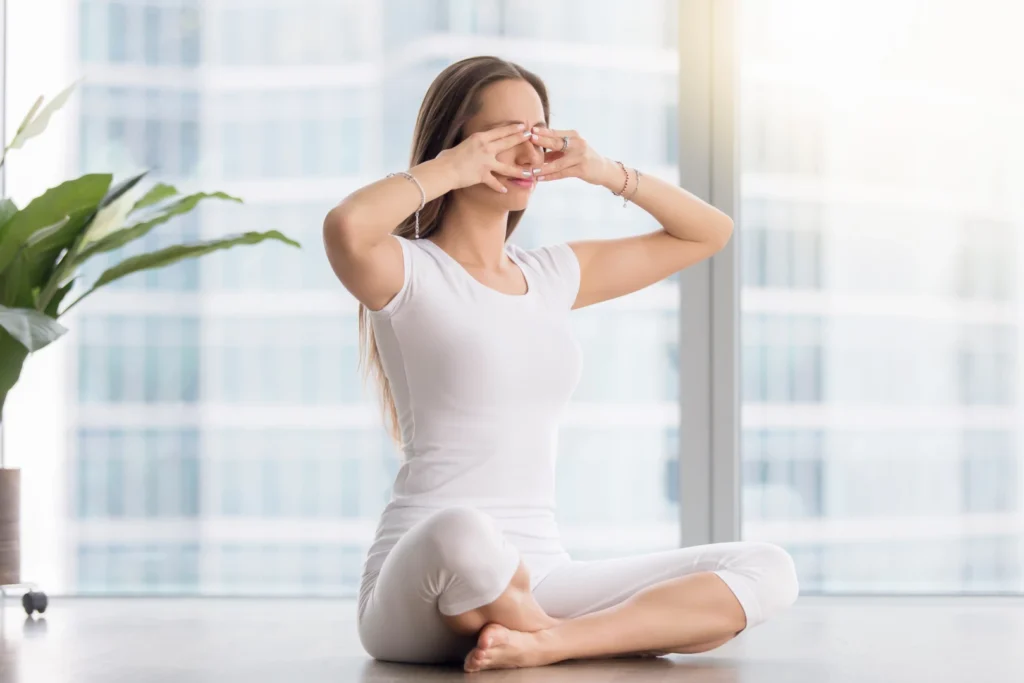
Sit with eyes closed.
Inhale deeply.
Exhale slowly, making a humming “mmm” sound.
Feel vibrations in the head.
Repeat 5–10 times.
Potential Physical Benefits
Evidence shows:
Lowers blood pressure and heart rate.
Improves vocal resonance and sinus clearance.
Enhances nitric oxide production for better circulation.
Supports thyroid function.
Mental Well-Being Aspect
Humming activates relaxation responses, reducing anxiety, anger, and depression. Studies report improved sleep quality and emotional calm.
Safety Awareness
Gentle and safe for most; avoid with ear infections. Use ear plugs if needed for intensity.
Ocean Breath (Ujjayi)
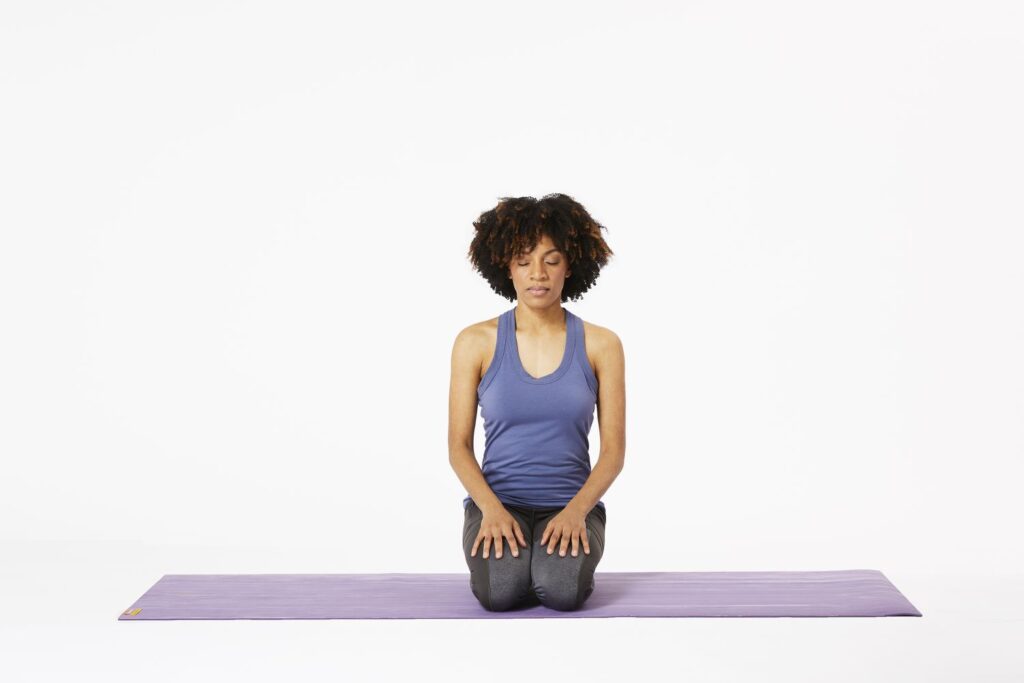
This victorious breath creates an oceanic sound through throat constriction.
What Research Indicates
Examined in yoga interventions, Ujjayi supports focus and autonomic regulation. Often combined with poses, it aids endurance.
Common Practice (Process)
Sit or lie down.
Inhale deeply through nose, slightly constricting throat for sound.
Exhale similarly.
Maintain steady rhythm for 5–10 minutes.
Potential Physical Benefits
Observations suggest:
Improves respiratory endurance and oxygenation.
Regulates body temperature.
Strengthens throat and lungs.
Enhances cardiovascular efficiency.
Mental Well-Being Aspect
Ujjayi fosters concentration and reduces anxiety by anchoring attention to breath.
Safety Awareness
Avoid forceful constriction; not for severe respiratory issues or if it causes strain.
What Health Research Emphasizes Overall
Meta-analyses confirm pranayama’s benefits arise from regularity, integrating controlled breath with awareness. Effects include improved physical resilience, reduced mental health symptoms, and enhanced quality of life.
Safety and Health Disclaimer
Practice mindfully under qualified guidance; consult professionals for medical conditions. This is informational, not medical advice.
Conclusion
Pranayama offers sustainable wellness, cultivating breath awareness and inner balance. Consistent, safe practice of these techniques may support lasting physical vitality, respiratory health, and mental tranquility.