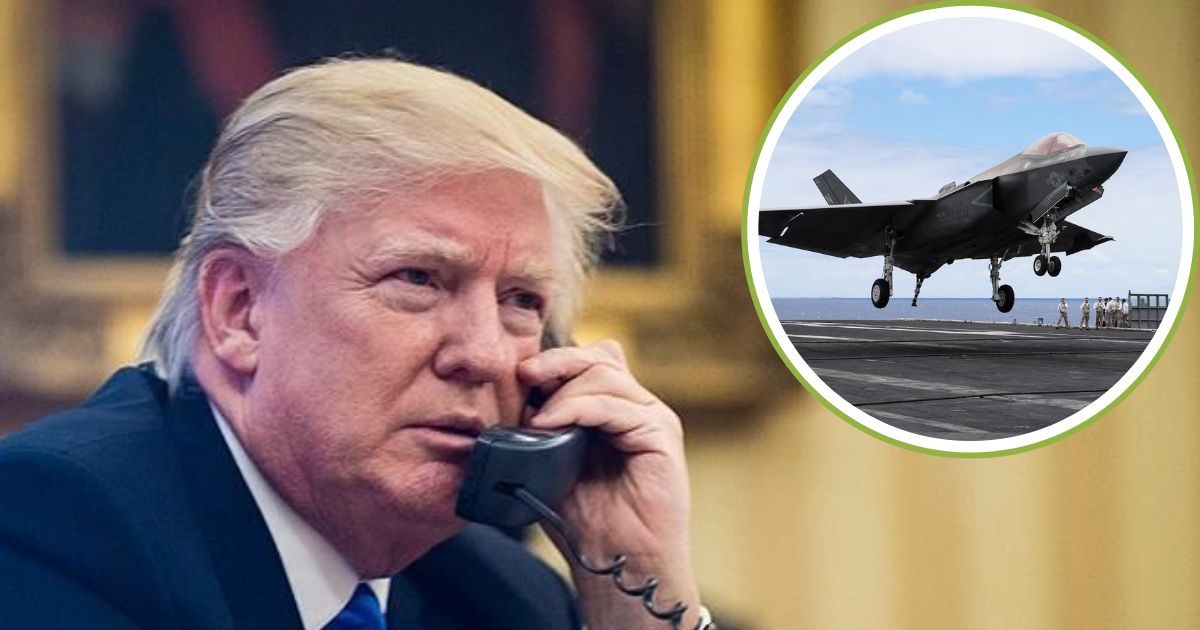
Why Trump Stops Iran Strike Plan: 16 January 2026…this was the day which was fixed for the beginning of another great war in the world. The Middle East once again stood on the brink of a major war. There was intense discussion in America that President Donald Trump might order military action against Iran. Reports from American newspapers suggest that Trump had made up his mind that this time Khamenei had to be overthrown from power. He had a secret meeting with Reza Pahlavi and the plan for a coup in Iran was ready. Then what happened that a person like Trump had to step back?
At the last moment the White House changed its stance and the attack on Iran was postponed. The question is, on whose advice did Trump stop the attack on Iran? Not only do enemies consider Donald Trump an enemy, even friends think a hundred times before trusting him. In such a situation, who was that person whose words Trump could not avoid? Although the organized diplomacy of Arab countries and regional fear played an important role in this, but the pressure also came due to the advice of a friend.
Saudi Crown Prince called Donald Trump
According to the Washington Post report, Saudi Arabia’s Crown Prince Mohammed bin Salman himself called President Trump and appealed for restraint. The Saudi leadership feared that if America attacked Iran, Tehran’s retaliation would not be limited, but could engulf the entire Gulf region. Saudi officials believed that Iran’s reaction could pose a major threat to America’s military bases, the security of Gulf countries, and especially the energy market. Even the slightest interruption in oil and gas supply can shake the economy of the entire world.
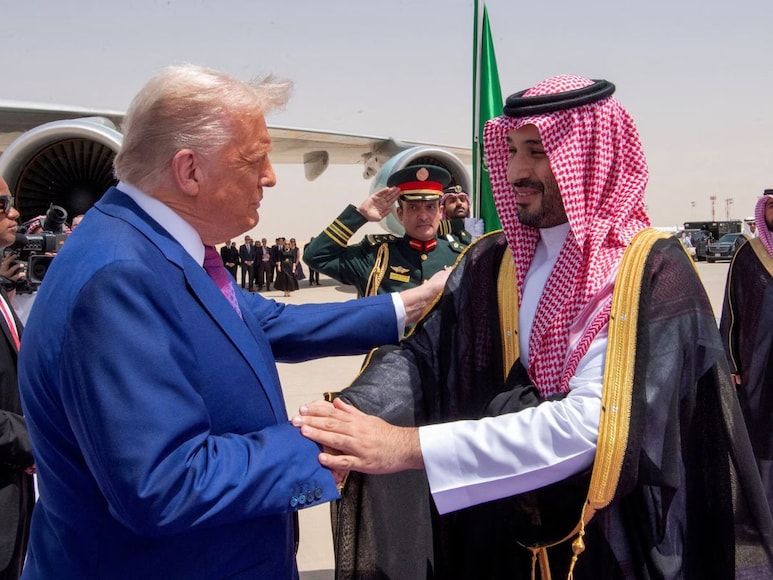
Saudi Crown Prince called Donald Trump. (Reuters)
Group of Islamic countries increased pressure
Not only Saudi Arabia but important Arab countries like Qatar, Oman and Egypt also advised America not to attack Iran. The argument of these countries was that this region is already unstable and any major military conflict could cause the situation to go out of control. These Arab countries feared that if Iran was pushed into a corner, it could ignite a fire in the entire Middle East, either directly or through its supporting groups.
Trump took a U-turn under Arab pressure
It is believed in diplomatic circles that this collective lobbying by Arab countries forced Trump to retreat. It became clear to the White House that the attack on Iran would not be just a matter of America-Iran, but would have an impact on the entire world. Due to this, oil prices, global trade and American interests could all be at stake.
Displeasure was also visible in Trump’s camp
However, this decision also caused resentment within America.
- Republican Senator Lindsey Graham launched a scathing attack on Arab countries. He said that if media reports are true and Arab countries have intervened in Iran’s favor and prevented decisive action, then they cannot be called good allies. Graham’s statement shows that there are differences of opinion on this issue even within America.
- At the same time, reports say that in the Trump government, Vice President JD Vance had argued with Trump on the issue of Iran. However, his political shift is quite surprising because he is always known for avoiding wars in the Middle East.
Overall, Saudi Arabia’s initiative to stop the attack on Iran, security concerns of Gulf countries, Israel’s lack of preparedness and the impact on the global economy were the biggest reasons. Trump’s decision shows that now not only military power but also the collective diplomacy of regional countries is influencing America’s strategy in the Middle East.