❄️ Big Winter Storm Slams the USA: Flights Canceled, Roads Icy, and Temperatures Dropping Fast
A powerful winter storm is causing major trouble across the United States this week, bringing heavy snow, dangerous ice, and freezing cold temperatures to millions of people.
In many areas, it isn’t just “winter weather” — it’s the kind of storm that shuts down highways, cancels flights, closes schools, and knocks out power. Airports are packed with delayed travelers, roads are turning into ice rinks, and weather warnings are stretching across huge sections of the country.
This storm is spreading from the central U.S. into the East Coast, and weather experts say it could keep causing problems for several days, especially in places that get hit with freezing rain.
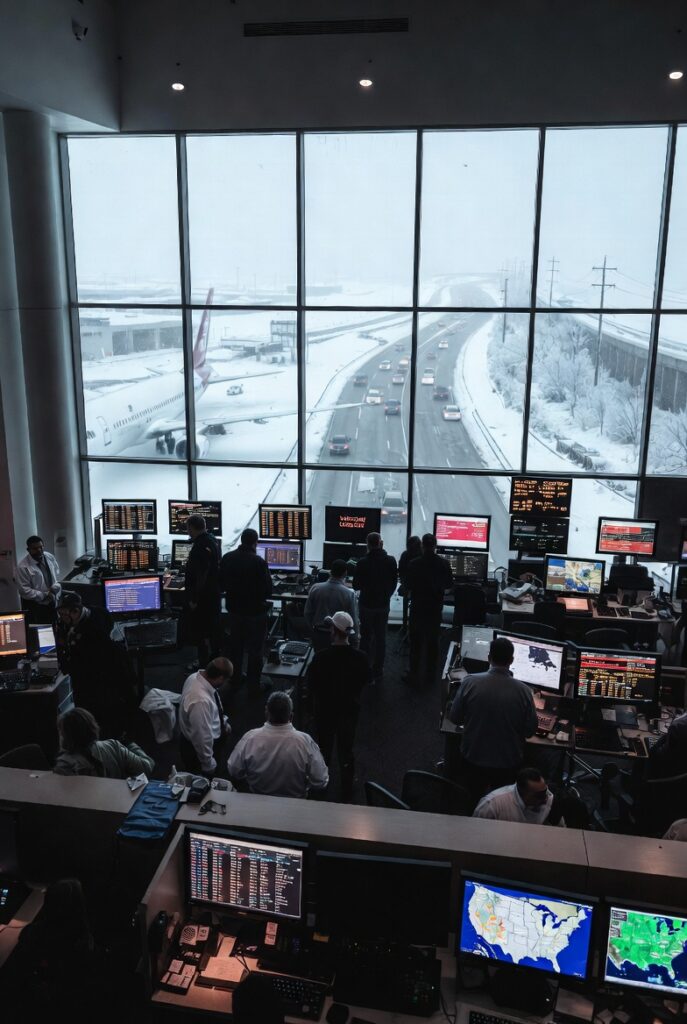
✈️ Flight Cancellations Are Piling Up Fast
One of the biggest impacts has been air travel.
Flights across the U.S. have been delayed and canceled in large numbers, leaving many passengers stuck at airports or forced to change their plans at the last minute.
When storms hit this many states at the same time, airlines can’t simply reroute around it. Planes and crews end up in the wrong cities, gates fill up quickly, and schedules basically fall apart. Even if the storm only lasts a short time, the delays can keep spreading for days after.
Some of the worst airport delays usually happen around major hubs because one busy airport getting snow or ice can affect flights across the entire country.
🧊 Ice Is the Biggest Danger for Many States
Snow is bad enough, but ice is often worse.
In an ice storm, roads can look normal while being completely slick. Cars slide, trucks jackknife, and emergency crews can struggle to get where they need to go. It only takes a thin layer of freezing rain to cause huge accidents, especially on bridges and overpasses.
Ice also causes serious damage to power lines and trees. When branches get coated, they become heavy and snap. Those falling branches can knock out electricity and block roads at the same time.
That’s why ice storms often turn into power-outage events, not just a “snow day.”
🔌 Power Outage Risk Goes Up During Storms Like This
One major reason officials worry during storms like this is electricity demand.
When temperatures crash overnight, millions of heaters turn on at once. At the same time, ice and strong winds can damage power lines. That combination can leave neighborhoods without power right when they need it most.
Even short outages can become a serious problem when the air is dangerously cold. Homes cool down quickly, pipes can freeze, and people may be forced to rely on space heaters or fireplaces.
If this storm hits your area, it’s smart to prepare like you might lose power, even if you never do.
Quick power-outage checklist
Charge phones and power banks
Keep flashlights ready (not candles)
Store drinking water
Have blankets in one place
If you use a generator, keep it outside only
🥶 The Cold Is the Part People Will Remember
What makes this storm stand out isn’t just snow totals. It’s the cold that follows it.
After the storm moves through, Arctic air behind it can drop temperatures sharply in just a few hours. That’s when roads refreeze, pipes burst, and the wind chill becomes dangerous.
In some areas, the “feels like” temperature can be far colder than the number you see on your weather app. That’s because wind pulls heat away from your skin faster.
When wind chills get extreme, frostbite can happen quickly, especially on fingers, toes, ears, and exposed skin.
📊 Temperature Swings: How It Drops Fast, Then Jumps Back Up
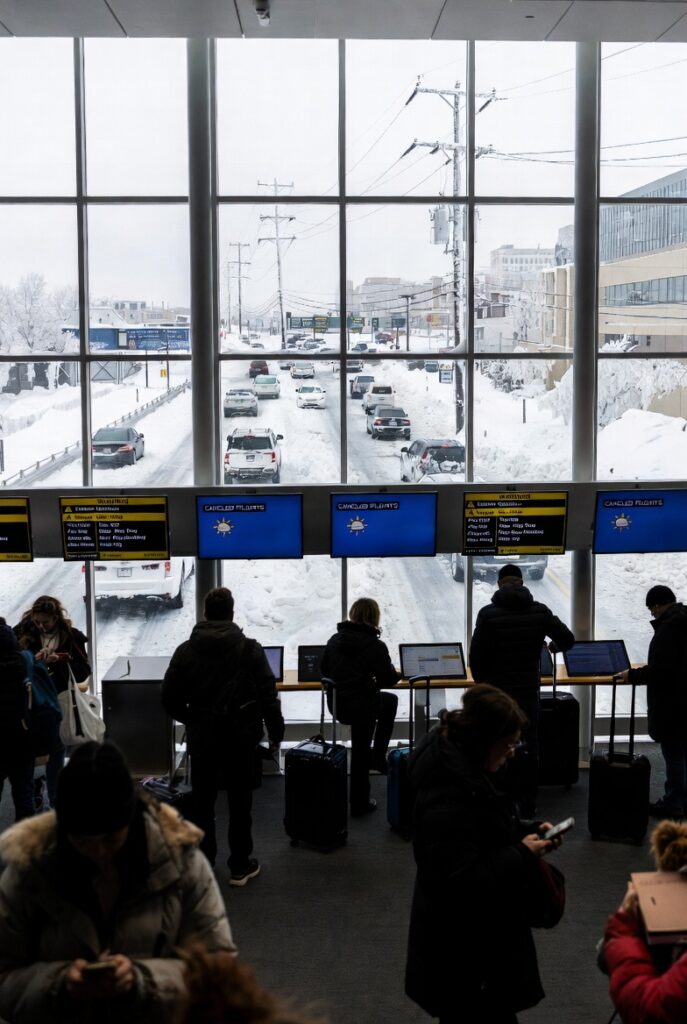
Many people notice the same thing during these storms:
One day feels normal… then suddenly it’s freezing… and a few days later it warms back up again.
That up-and-down pattern is common with big winter systems. Warm air pushes north, then a cold blast dives in behind it, and then temperatures recover when the storm moves away.
Below is an easy way to show this on your website.
✅ Table 1: Example of “Up and Down” Temperatures During a Winter Storm Week
(This is a typical storm pattern example to show how quickly temps can crash and rebound. Your readers will understand the idea immediately.)
Day
Weather Pattern
High (°F)
Low (°F)
What It Feels Like
Day 1
Mild air ahead of storm
50
39
“Not too bad outside”
Day 2
Rain + wind
46
32
Wet, chilly, uncomfortable
Day 3
Flash freeze begins
36
19
Roads turn dangerous fast
Day 4
Peak cold arrives
27
8
Painfully cold air
Day 5
Wind chill worst day
24
4
“Feels like” below zero
Day 6
Slow warming starts
32
14
Still icy in shaded areas
Day 7
Temps bounce back
44
28
Melting and messy slush
📉 Simple Temperature Drop Chart (Website Friendly)
You can paste this into your post as a quick visual:
High Temps (°F)
50 | ●
45 | ●
40 | ●
35 | ●
30 | ●
25 | ● ●
20 |
D1 D2 D3 D4 D5 D6 D7
It clearly shows what people complain about every winter:
“It went from 50 to freezing in two days.”
📊 Comparing This Winter Pattern to the Past 10 Years
Now here’s the part many readers find interesting:
Even though storms still hit hard, the U.S. overall has been warmer in the bigger picture during the last decade compared to older climate averages.
That doesn’t mean winter is “gone.” It means the long-term average temperature is higher, even if cold blasts still show up.
So yes — it can be freezing this week, and the last 10 years can still be warmer overall than decades before.
✅ Table 2: Last 10 Years (2016–2025) vs Older Long-Term Normal (Simple Comparison)
This table is written in plain language (easy for regular readers).
Category
Older Climate Normal
Last 10 Years Trend (Simple View)
Average temperature
Lower overall
Higher overall
Winter storms
Still happened
Still happen
Sudden temperature swings
Less talked about
Feels more common
Ice storms
Always dangerous
Still dangerous, often widespread
Record weather
Happened sometimes
Happens more often
📌 Why the “Last 10 Years” Comparison Matters
People don’t always notice long-term warming because daily weather changes so fast.
But when you zoom out, the last decade has had:
more warm months overall
more heat records
stronger storm systems in some cases because warm air holds more moisture
weird winter weeks where one day feels like spring and the next day feels like the North Pole
That’s why these storms feel more extreme to many people. The weather can swing so sharply that it’s hard to plan anything.
🧠 “If the Climate Is Warmer, Why Are We Still Getting Snow?”
This is one of the most common questions online.
The simple answer is:
Warm climate does not erase winter.
It changes the background conditions.
A warmer atmosphere can still produce cold air outbreaks. And when cold air meets moisture, you can still get heavy snow or freezing rain.
So the U.S. can experience both:
long-term warming trends
and
intense winter storms
at the same time.
🚗 Road Conditions: Why Officials Beg People to Stay Home
The most dangerous part of winter storms isn’t always the snow. It’s what happens after:
temperatures drop at night
slush turns solid
black ice forms on highways
visibility falls because of wind and blowing snow
That’s why officials often say “don’t drive unless you have to.”
Even experienced drivers can lose control on ice, especially when other people are sliding around them too.
🏠 What People Should Do During the Next 48 Hours
If your state is under storm warnings, here are a few things that help a lot:
✅ If you might lose power
charge everything now
keep one room warm and close doors
don’t open the fridge/freezer repeatedly
have warm clothing ready (hoodies, socks, hats)
✅ If your pipes freeze easily
keep the heat on (even low)
open cabinet doors under sinks
let a faucet drip slowly overnight
✅ If you must drive
don’t rush
keep extra blankets in the car
keep your gas tank above half
avoid bridges if possible
Final Words: This Storm Is Going to Leave a Mess
Even after the snow stops, problems continue:
airports take time to recover
roads stay icy overnight
power outages can last longer than expected
families deal with frozen pipes, car trouble, missed work and school
For many people, this will be one of those storms they remember — not because it was “pretty snow,” but because it caused a full shutdown in everyday life.
And as always with storms like this, the biggest advice is simple:
Don’t take the ice lightly. Don’t wait until the last second. And stay safe.