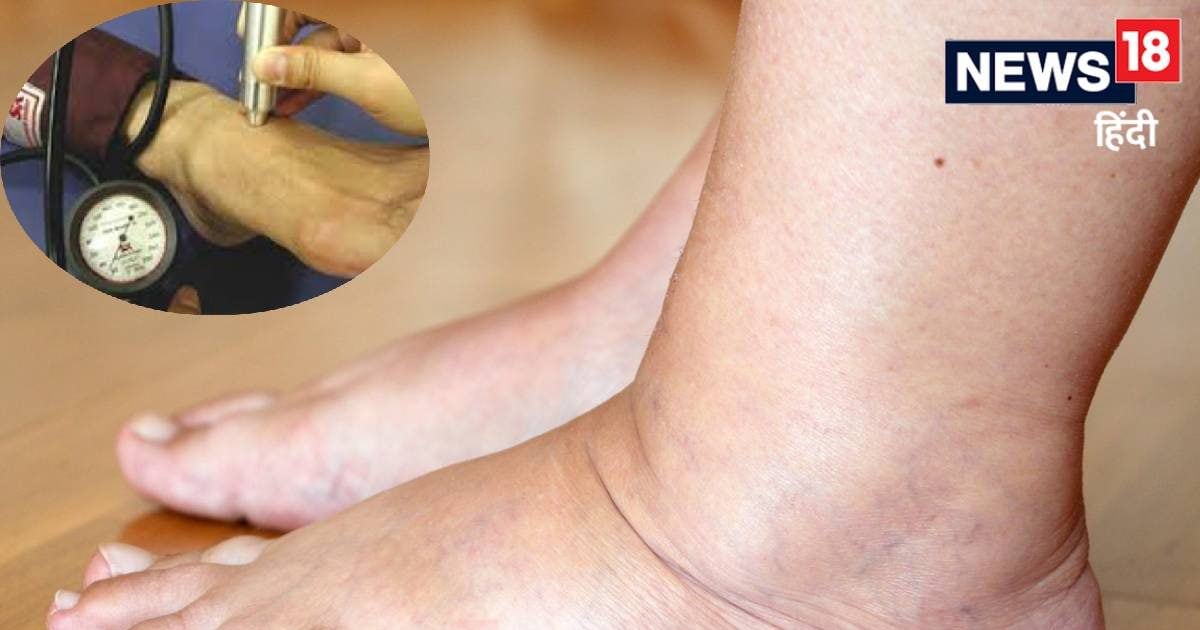
Blood Circulation Issues: Be it women living at home, young people going to office or elderly people, the problem of sudden numbness, pain or swelling in the feet is seen in almost all people, but most of the people ignore these symptoms considering them as fatigue, muscle strain or any normal problem. Whereas according to health experts, these symptoms seen in the legs can sometimes be the initial signs of blood circulation problems. It is important to recognize these signs in time, because if the problem of blood circulation is not treated, it can have a serious impact on the health of the legs and the entire body. Sometimes it can also be fatal.
This is intermittent claudication
If seen, pain and numbness in the legs is often related to lack of blood in the arteries. When the arteries that supply blood to the legs become narrow or blocked, the muscles and tissues do not get enough oxygen and nutrition. A common symptom of this is that after walking some distance, pain starts in the legs, which gets cured on rest. This is called intermittent claudication. Since this pain does not last continuously, many people do not take it seriously. Similarly, occasional mild numbness or tingling is often ignored, even though these are signs that the blood supply to the legs is not good.
This is a sign of a serious nerve problem.
At the same time, swelling in the feet usually occurs due to problems related to nerves. For the veins to return blood to the heart, proper functioning and help from the muscles are necessary. If the veins become weak, damaged or blocked, blood starts accumulating in the legs, causing swelling. This swelling often appears more in the evening and reduces on rest, so people consider it to be minor, but if the swelling occurs frequently or persists for a long time, then it can be a sign of a serious problem with the nerves.
Dr. says that these symptoms are also ignored because they do not remain continuous. Pain that occurs only when walking, occasional numbness or swelling that comes and goes may not seem serious in the beginning. Because of this, people delay in meeting the doctor and the problem keeps increasing.
What are serious damages?
Dr. Singh further explains that if the blood flow in the arteries remains low for a long time, it can cause damage to the tissues of the legs. In severe cases, there may be difficulty in wound healing, infection and even danger to the foot. These problems can be prevented by timely identification and treatment, and lifestyle changes are also helpful.
Blood circulation problems related to veins can also be dangerous. One of these serious problems is deep vein thrombosis (DVT), in which a blood clot forms in the deep veins of the leg. This can lead to long-term swelling, change in skin color, deterioration in skin quality and increased risk of injury. The most dangerous situation occurs when this clot reaches the lungs, which can cause a fatal problem called pulmonary embolism.
Get these things checked immediately
If pain, numbness and swelling appear together in the legs, then it should be considered a serious warning about blood circulation. Even if only one of these symptoms occurs, if it occurs repeatedly, it is important to see a doctor. Dr. Singh says that by proper examination and testing of veins and arteries, it can be found out where the problem is, whether it is in the arteries, veins or both. Therefore, go to the doctor and get these things checked.
Keep in mind that pain, numbness and swelling in the feet should never be taken lightly. These may be early signals given by the body that blood circulation is not good. Paying attention to these symptoms and taking timely advice from a doctor can prevent serious problems, keep the feet safe and in many cases can even save life.