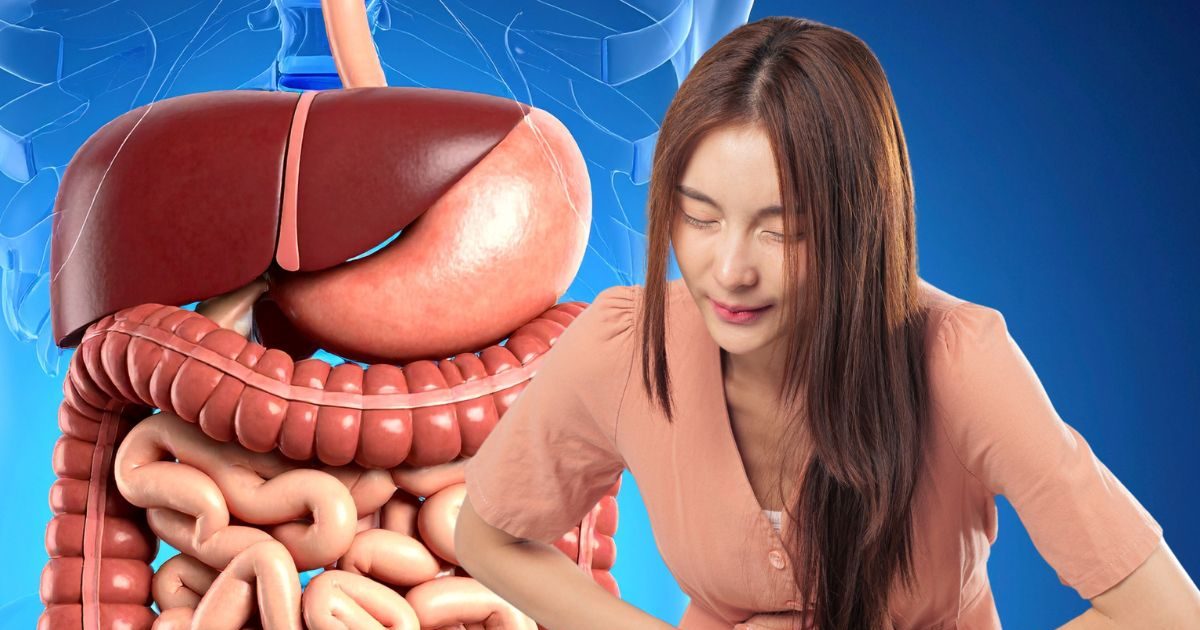
Bloating and Gas Causes: Nowadays the problem of gas is troubling people a lot. After eating, most people start belching and their stomach starts bloating. Many times one has to face heaviness in the stomach, restlessness and headache. Some people suffer from excessive gas formation and have to run to the doctor again and again. According to doctors, gas formation in the stomach is a normal physiological process. On an average every person passes gas 10 to 20 times a day and about 0.5 to 1.5 liters of gas passes out of the body. The real problem starts when gas starts forming in excess, gets stuck in the intestines or is not able to come out easily. In such a situation, problems like flatulence, heaviness, cramps, restlessness and headache start occurring.
Dr. Anil Arora, Chairman of the Gastro Department of Sir Gangaram Hospital, New Delhi told News18. Gas is formed in the stomach and intestines mainly due to two reasons. The first reason is swallowed air. When we eat quickly, talk while eating, chew gum or smoke, air goes into the stomach. This air often comes out in the form of belching. The second reason is fermentation in the intestines. The bacteria present in the large intestine are not able to completely digest some carbohydrates and fiber. These substances ferment and form gases like hydrogen, methane and carbon dioxide. This gas comes out in the form of farting. When intestinal movement is slow or there is constipation, gas starts getting trapped.
The doctor said that gas is not a disease in itself, but it can be a sign of imbalance in the digestive system. Sometimes it can also become an early symptom of problems like irritable bowel syndrome (IBS) or small intestine bacterial overgrowth (SIBO). Therefore, frequent occurrence of gas should not be taken lightly. When gas cannot come out of our body, it puts pressure on the intestinal walls. This causes swelling and balloon-like feeling in the stomach. Sometimes the pain keeps moving from one place to another, which is called colicky pain. Some people may also experience nausea, vomiting, chest tightness or headache. Due to gas being trapped for a long time, the balance of intestinal bacteria can get disturbed. This can increase problems like IBS, functional dyspepsia or chronic constipation.
According to experts, wrong eating habits and spoiled lifestyle are most responsible for gas formation. Excessive spicy, fried food, carbonated drinks, beans, cabbage, broccoli and some dairy products can increase gas. Especially if there is lactose intolerance, this problem can be aggravated by dairy products. Stress, lack of sleep, less physical activity and remaining on an empty stomach for long periods also affect digestion. Some medical conditions like constipation, Helicobacter pylori infection, celiac disease or SIBO can also increase the problem of gas.
If gas is accompanied by persistent stomach pain, weight loss, bloody stool, frequent vomiting or difficulty in swallowing, one should immediately consult a doctor. These symptoms can be a sign of some serious disease. If the problem is recurring then get it checked by a gastroenterologist. If necessary, tests like endoscopy, colonoscopy or breath test can be done. Experts said that to avoid gas, eat food slowly and chew it thoroughly. Avoid eating too much at once. Increase fiber intake gradually and drink enough water. Regular exercise and yoga can help in improving digestion. Among the home remedies, celery, fennel, ginger tea or lukewarm water can be beneficial. If needed, you can take medicines as per doctor’s advice.