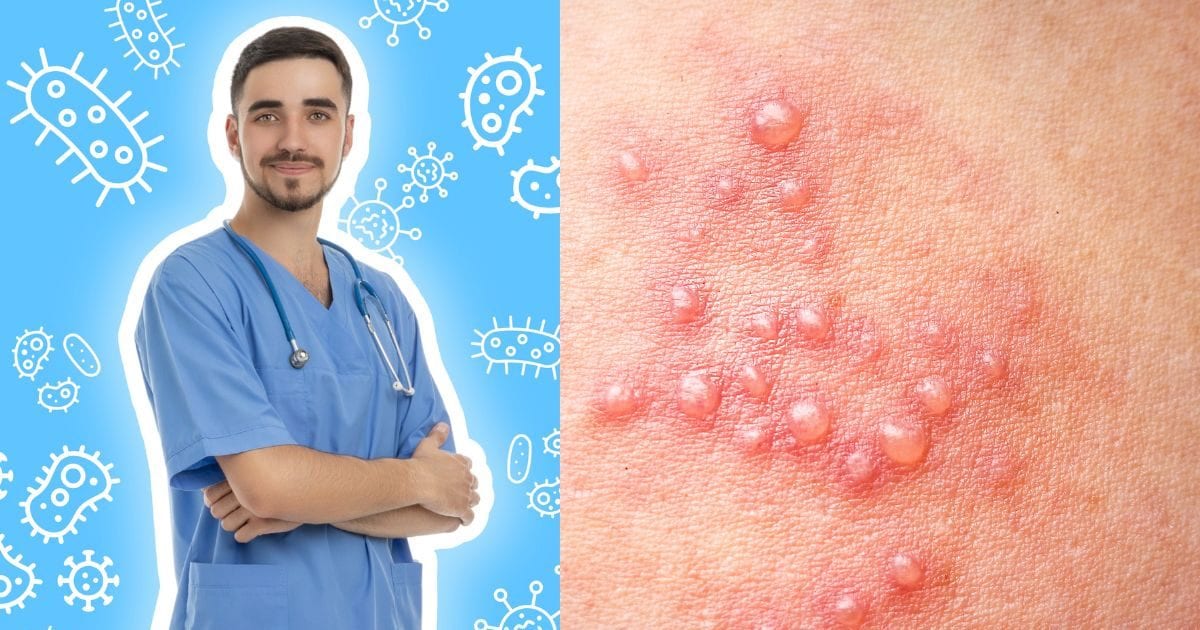
Tips To Control HSV Infection: Many times, small red rashes appear on people’s face, lips, eyes and other parts of the body, which heal on their own in a few days. Often people consider these to be allergies, but it can be a sign of herpes virus infection. This virus causes small red pimples on the skin and when these pimples burst, water-like fluid also comes out. Herpes virus is very common and a large number of people are affected by it. Despite this, most people do not know about it. Today we are telling you about the symptoms, causes and treatment of this virus.
There are mainly two types of herpes. The first is HSV-1, which is called oral herpes. It often appears as cold sores around the mouth, on the lips or on the face. Second HSV-2, which is called genital herpes. It is a sexually transmitted infection (STI) and causes a rash around the genitals. Talking about the symptoms, before the rash appears, a tingling or itching sensation is felt at that place, after which red clustered blisters are formed. Sometimes it may also be accompanied by fever, body pain and swelling of lymph nodes.
This virus spreads through direct contact. If you come in contact with the blisters, saliva or other body fluids of an infected person, it can enter your body as well. This virus can be spread by kissing, eating contaminated food or sharing things like towels and lipstick of an infected person. Genital herpes is mainly spread through unprotected sex. The thing to note is that sometimes a person does not show any symptoms, yet he can be a carrier of the virus and infect others. In such a situation, it is very important to take precautions to avoid this.
According to scientists, once the herpes virus enters the body, it never disappears completely. It lies in an inactive state in the nerve cells located near the spinal cord. When the body’s immunity becomes weak or the person undergoes extreme stress, fatigue or any other disease, this virus becomes active again and causes rashes on the skin again. This is called outbreak.
Doctors usually diagnose herpes just by looking at the rashes, but to confirm, a lab test (PCR) or blood test of the blister fluid can be done. Currently, there is no permanent cure for herpes, but anti-viral medicines like acyclovir or valacyclovir are very effective in reducing the severity of this virus infection. These medicines slow down the spread of the virus and provide relief from pain. If treatment is started within 24 to 48 hours of the initial symptoms, the lesions may heal quickly.