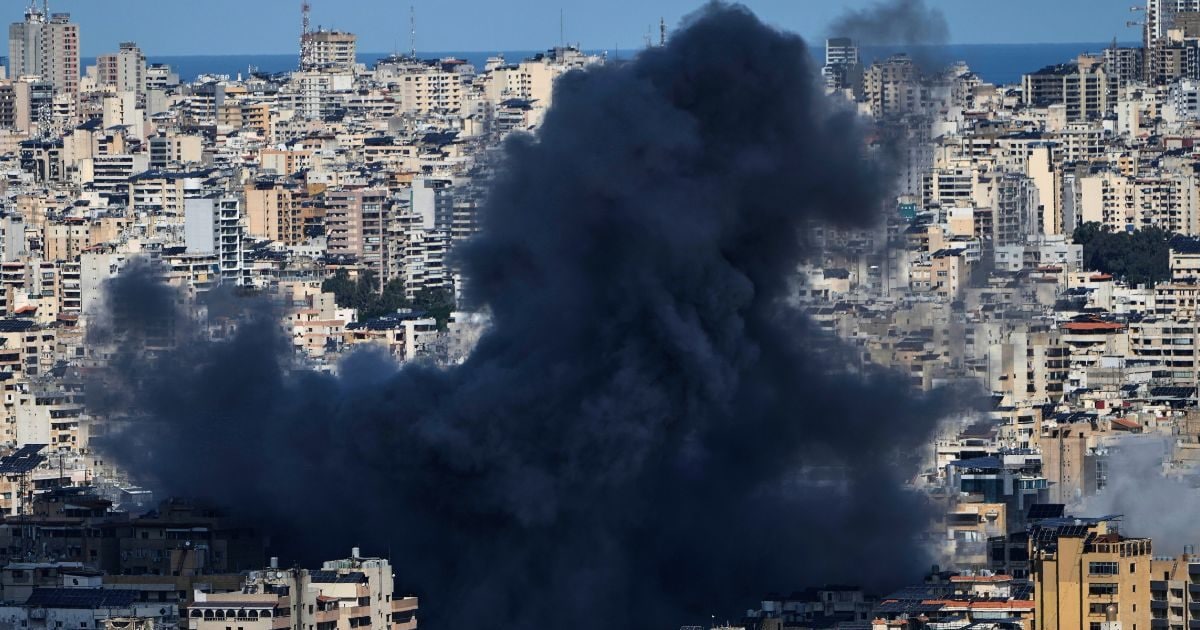
New Delhi. The world economy has faltered on the 11th day of the Iran-Israel war. Especially the prices of LPG gas, petrol and diesel have increased by 30 percent. Along with India, Pakistan, Bangladesh and Sri Lanka, the condition of America and Europe has also become very poor. According to economic experts, the world is moving towards an energy crisis which could not have been imagined even a decade ago. The increasing military conflict between America and Israel with Iran has put West Asia on a heap of gunpowder. This has had a direct impact on the world’s gas supply chain. Since 20% of the world’s oil and LNG passes through the Strait of Hormuz, the sanctions imposed by Iran on this route have created an outcry in at least 25 countries, including India, China, Japan, South Korea and European countries.
Where in the world are there ‘lockdown’ like situations?
The impact of the gas crisis is so widespread that governments in many countries are forced to take strict measures:
Europe: In countries like Germany and France, gas prices have increased by 45%. In many cities, instructions have been given to switch off heating systems at night and put non-essential industrial units under gas lockdown.
Japan and South Korea: Both these countries import more than 80% of their energy needs. Power cuts have started here and the government has asked industries to reduce production.
South Asia: There are long queues for gas cylinders in Pakistan and Sri Lanka. In many places in Pakistan, restaurants are on the verge of closure due to gas shortage.
India: In India too, pressure on supply has increased due to panic booking. Due to shortage of gas in cities like Pune, gas crematoriums have had to be temporarily closed. Hotel bookings are being canceled in many cities including Mumbai.
Masterstroke of Government of India
To prevent the shortage of LPG in India, the Modi government issued an emergency order on Monday night. The government has implemented the Natural Gas Order 2026 using the powers of the Essential Commodities Act, 1955.
Strict orders to refineries: Refineries like Reliance and ONGC have been instructed to leave other petrochemical products and concentrate entirely on LPG production.
Priority set: In gas supply, first priority will be given to domestic cooking gas (PNG and LPG) and CNG for vehicles. Quota has also been allotted to fertilizer plants and tea industries.
New rule of booking: To prevent panic booking and hoarding, now a gap of 25 days (Lock-in Period) has been made mandatory between booking gas cylinder refills. Earlier it was 21 days.
America’s role and global anger
Experts believe that the Trump administration’s unilateral policies in West Asia and the stringent sanctions imposed on Iran have brought tensions to a point from which it is difficult to return. Qatar Energy’s halt in LNG production and drone attacks on Saudi Arabia’s refineries have added fuel to the fire. Although President Trump has indicated that the war may end soon, market volatility is not decreasing.
India has a ‘security shield’
It is a matter of relief that India has strategic reserves of crude oil and gas for about 8 weeks. Petroleum Minister Hardeep Singh Puri has appealed to the public by tweeting not to panic and pay attention to false rumours. The government has instructed oil companies that there should be no shortage of gas for domestic use under any circumstances, even if commercial supply has to be cut for this. The coming 72 hours are very important for the global energy market. If tensions are not reduced, the gas crisis could push the world economy towards a Great Depression like the 1970s.