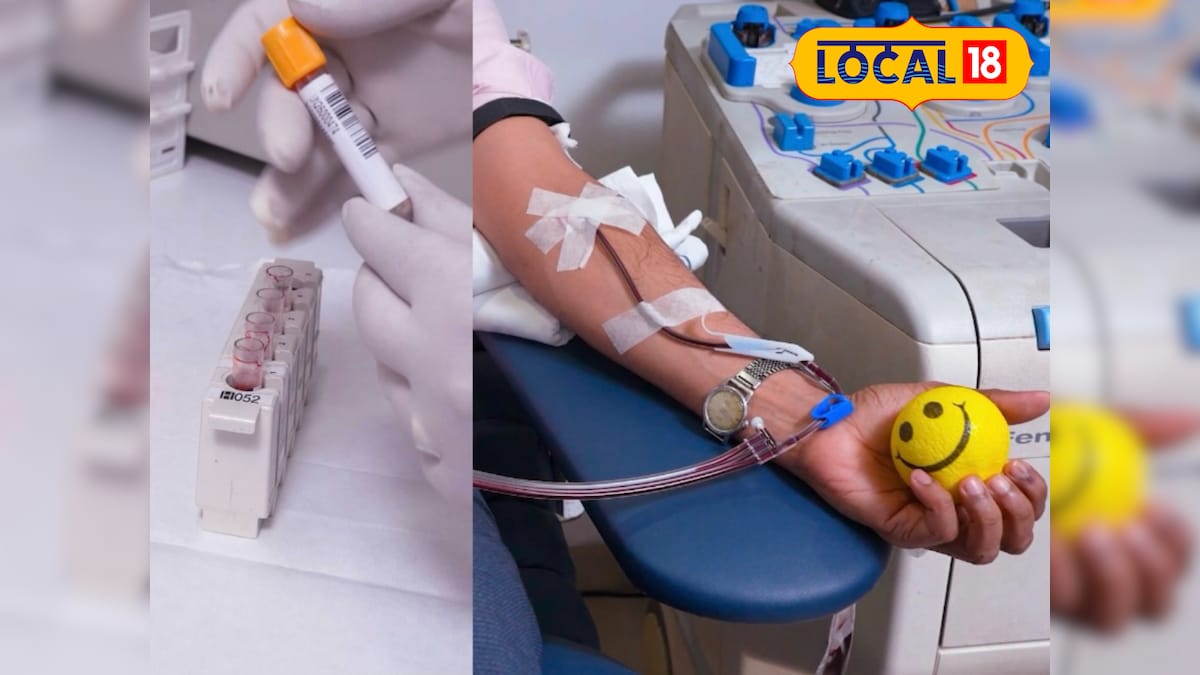
Mumbai. Blood donation is considered a great donation in the society, because the blood given by one person can give new life to another person. According to medical experts, donating blood from a healthy person is not only life-saving for the needy, but it is also considered beneficial for the donor’s own health. This process is completely safe and if the correct guidelines are followed, there is no risk of any kind of infection.
Before donating blood, it is very important to get adequate sleep and eat light food, so that the necessary energy is maintained in the body. Despite this, many misconceptions and misconceptions are prevalent in the society regarding blood donation. There are some important identification related rules and health standards, due to lack of knowledge of which many people hesitate in donating blood. To give every little information related to blood donation, we talked to Dr. Sheenam Thakkar, Consultant, Department of Transfusion Medicine at the prestigious Kokilaben Dhirubhai Ambani Hospital, Mumbai.
What things should be kept in mind while donating blood
Dr. Sheenam Thakkar explains in detail the importance of blood donation and the nuances related to it. Talking to Local 18, he told that blood donation is not just a social responsibility, but a scientific and safe process, which should be done with correct information. The person donating blood must be physically and mentally completely healthy.
Before donating blood, it is mandatory for the donor to have adequate sleep and should have a light meal at least four hours before. The donor should not have consumed alcohol and should not be under any kind of intoxication. The arm from which blood is to be taken should not have any kind of wound, infection or skin disease. For safety reasons, it is also important that no tattoo or body piercing has been done within the last six months.
Age and health standards required for blood donation
Age limit has been fixed for blood donation. The age of the donor should be between 18 to 65 years. Talking about weight standards, it is necessary to have a minimum weight of 45 kg for whole blood donation and at least 50 kg for platelet apheresis.
Along with this, the hemoglobin level of the donor should be more than 12.5 grams per deciliter. Systolic blood pressure must be between 100 to 140 mmHg. Dr. Thakkar says that diabetes patients controlled by medicines can donate blood, but insulin dependent diabetes patients are not considered eligible to donate blood. He also clarified that there is no risk of any kind of infection or permanent weakness during blood donation.
Types of blood donation and subsequent precautions
There is not just one type of blood donation, but there are four main types. First whole blood donation, in which blood is taken normally. The second is platelet apheresis, in which platelets are removed and the red blood cells are returned to the donor. Third plasma pheresis, in which only plasma is taken. Fourth, granulocyte apheresis, in which only granulocytes are removed.
Precautions after donating blood are equally important. The donor should rest for at least 15 to 20 minutes and drink plenty of water or juice. Heavy physical exertion, gym workout, climbing at heights or long distance driving should be avoided immediately after blood donation. Talking about regular intervals, men can safely donate blood every three months and women every four months.