Last Updated:
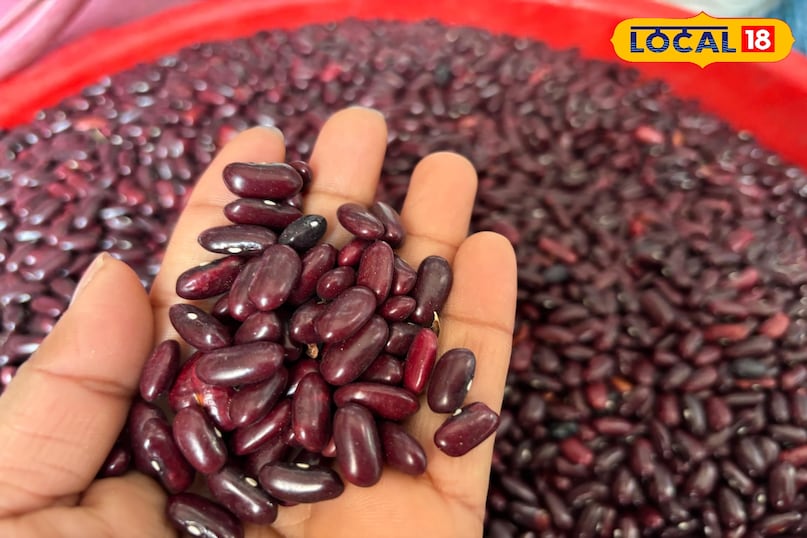
Lal Rajma Health Benefits: There are such gems hidden in the lap of the Himalayas which are like gold in purity, while the things growing in this lap provide incomparable benefits for health. Red kidney bean grown in Munsiyari area of Pithoragarh district of Uttarakhand is one such grain which is gaining recognition not only in the country but across the world due to its special quality.

Bageshwar: Red kidney beans grown in the Munsiyari area of Pithoragarh district of Uttarakhand are prepared in the lap of the Himalayas at an altitude of about 7,200 feet. The cool weather, clean air and natural water sources at this altitude make the quality of kidney beans exceptional. Due to the difference in temperature between day and night, the grains develop slowly, giving them natural sweetness and thickness. This is the reason why Red Rajma vegetable of Munsiyari is considered richer in taste and extremely creamy in texture compared to other regions. Similarly, it is also excellent for health.
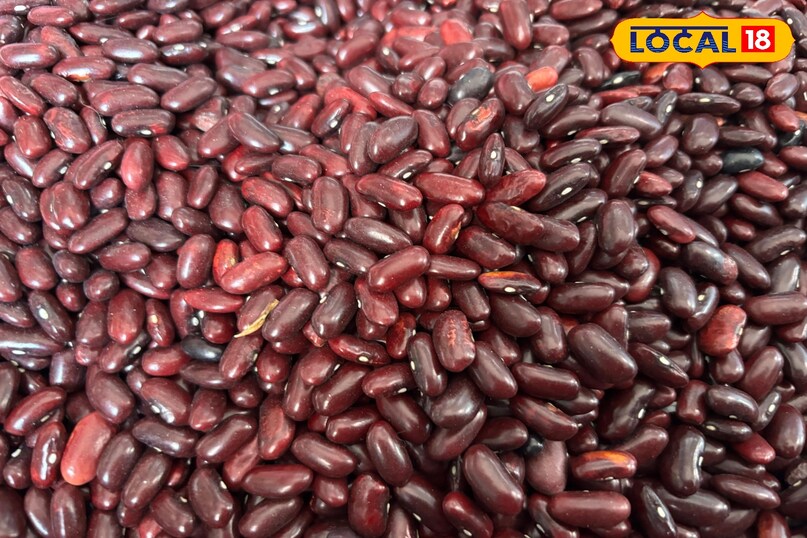
Munsiyari’s red kidney beans are distinguishable at first sight due to their deep red colour. After cooking, its grains do not burst and remain uniform in shape. It has mild natural sweetness, which when combined with the spices doubles the taste of Rajma curry. The mineral elements present in the hill soil further enhance its taste. This is the reason that after eating it once, people ask for the same Rajma again and again.

Munsiyari’s red kidney beans are grown completely organically. Neither chemical fertilizers nor pesticides are used in its cultivation. Farmers prepare crops using traditional seeds, cow dung and natural methods. This not only maintains the fertility of the soil, but also provides pure and safe food items to the consumers. In today’s time, when people are staying away from chemical-rich food, then Rajma is emerging as a healthy option.
Add News18 as
Preferred Source on Google

According to experts, this red kidney bean is considered very rich in terms of nutrition. Protein and fiber are found in abundance in it, which are beneficial for muscle development and digestive system. Apart from this, it also contains adequate amounts of iron, calcium, magnesium and carbohydrates. It is an excellent source of protein for vegetarian people. Regular consumption provides energy, and the body remains active for a long time.

The biggest feature of Munsiyari’s Red Rajma is that it gets wet easily and becomes soft in a short time. In many cases it can be cooked comfortably even without a pressure cooker. After cooking, the grains become so soft that they dissolve as soon as they are placed in the mouth. This is the reason why it is especially liked in hotels, dhabas and homes, because it saves both time and fuel.
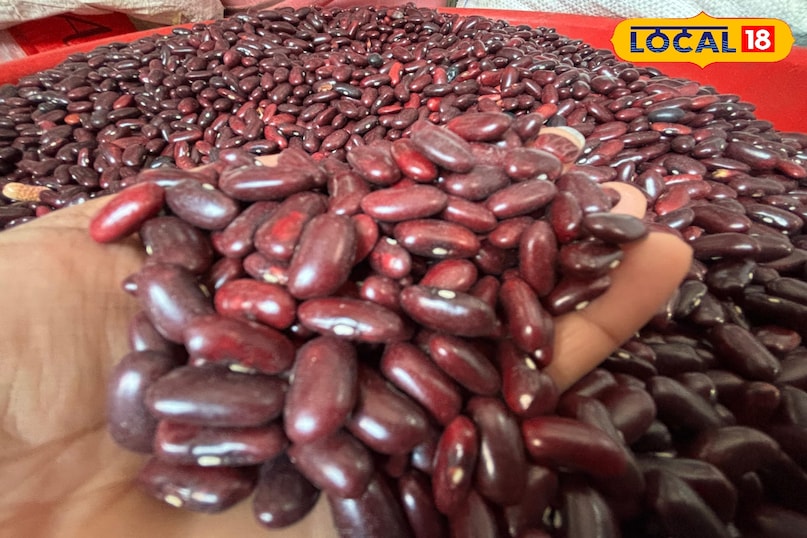
In Munsiyari area, local women farmers are playing an important role in the cultivation of red kidney beans, from harvesting, drying and packaging. Working in groups, women not only keep an eye on quality, but also contribute to their family’s income. Due to this, rural women are getting employment near their homes and they are becoming economically empowered. This Rajma also tells the story of women’s hard work and self-reliance.
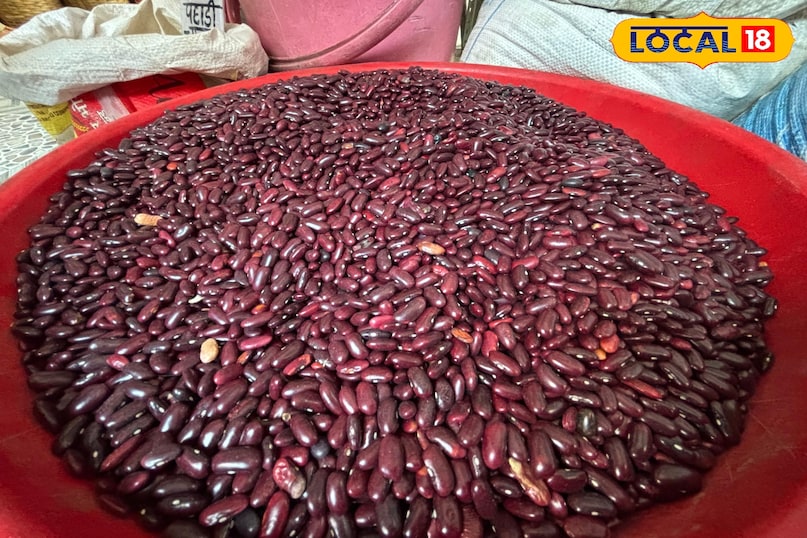
Munsiyari’s red kidney beans are now reaching other parts of the country beyond the local limits. Due to its purity and taste, the demand is continuously increasing in both online and offline markets. In Bageshwar, this Rajma is available in Saras Market at the rate of Rs 350 to 400 per kg. Tourists also like to take it with them as a reminder of the mountain taste, further strengthening its brand value.

Today the red kidney bean of Munsiyari is not just a food product but is becoming the identity of a self-reliant mountain. This crop is providing better income to the local farmers, and is also proving helpful in preventing migration. Traditional farming, organic thinking and local participation have made it a success story. This unique confluence of taste, health and purity will play an important role in giving a new identity to the hill products of Uttarakhand in the coming times.