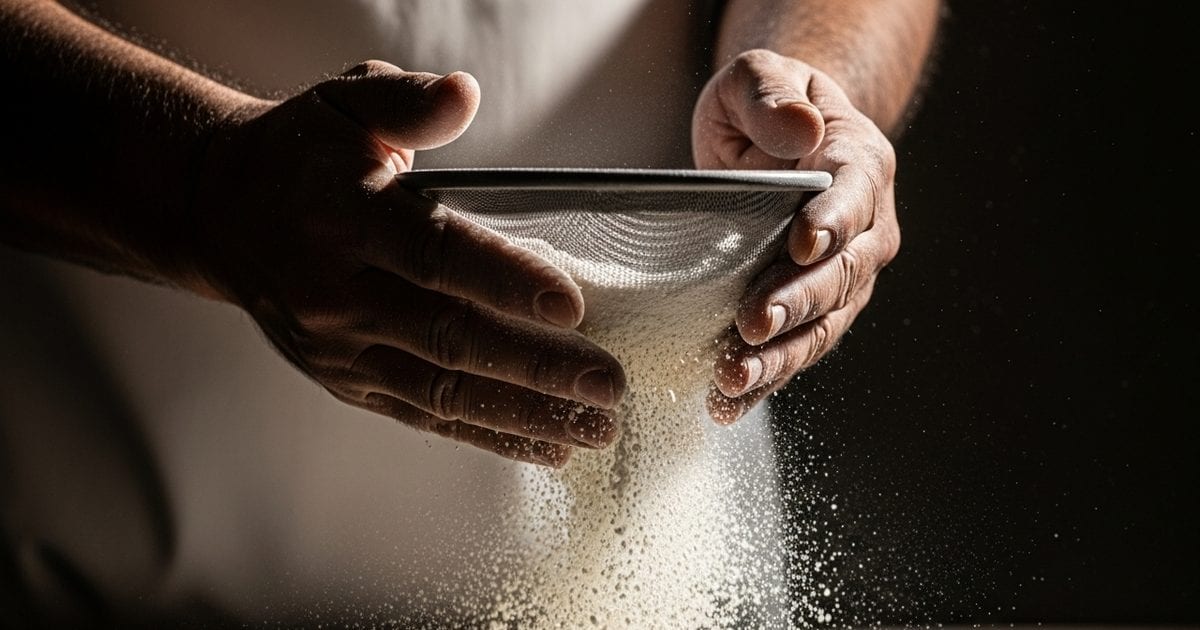
Due to its soft taste and white shine, flour has become such a part of our plate that most people find it difficult to leave it. Be it biscuits, samosas, bhature or pizza, flour is used in almost every favorite thing. But very few people know that this white flour can gradually prove harmful for the digestive system. Ayurveda and nutrition experts consider it a kind of silent danger, because its effect is not visible immediately, but can be serious in the long run.
Actually, when wheat is processed to make flour, its husk and sprout part are removed. These parts are rich in fiber, vitamins and minerals. After these are removed, what remains is only starch, which in Ayurveda is called food without nutrition i.e. Nisatva diet. Due to lack of fiber, flour creates heaviness in the intestines and makes the digestion process slow.
When flour comes in contact with water, it becomes sticky. This sticky layer starts accumulating in the intestines, due to which there is difficulty in the food moving forward. The villi present in the small intestine, which provide nutrients to the body, are not able to function properly due to this layer. The result is that the body is not able to take full advantage of not only the flour but also the other nutrients consumed with it.
Chemical bleaching is often done to make the flour look more white and attractive. An element called alloxan formed in this process is considered harmful for health. Without knowing, we are consuming such chemicals every day. Apart from this, flour is acidic in nature. Consuming it in excessive amounts can upset the acid balance of the body and to compensate for calcium, the body starts pulling it from the bones, due to which the bones start becoming weak.
The glycemic index of flour is very high. This means that after eating it, blood sugar increases rapidly. If this happens repeatedly, the risk of problems like weight gain, insulin resistance and diabetes can increase.
However, this does not mean that flour should be stopped completely. Ayurveda suggests some easy measures by which its side effects can be reduced. Drinking lukewarm water and consuming Triphala after eating flour supports digestion. Whereas celery and black salt can help in providing relief from gas and indigestion.
Also, instead of flour in the daily diet, it is better to adopt alternatives like multigrain flour, barley, ragi or millet. These are not only easy to digest, but also provide essential fiber and nutrition to the body. By making a few changes you can save your health from major harm.