healthcare policy

USA Politics

Trump Moves to Ease Federal Marijuana Rules with New Executive Order
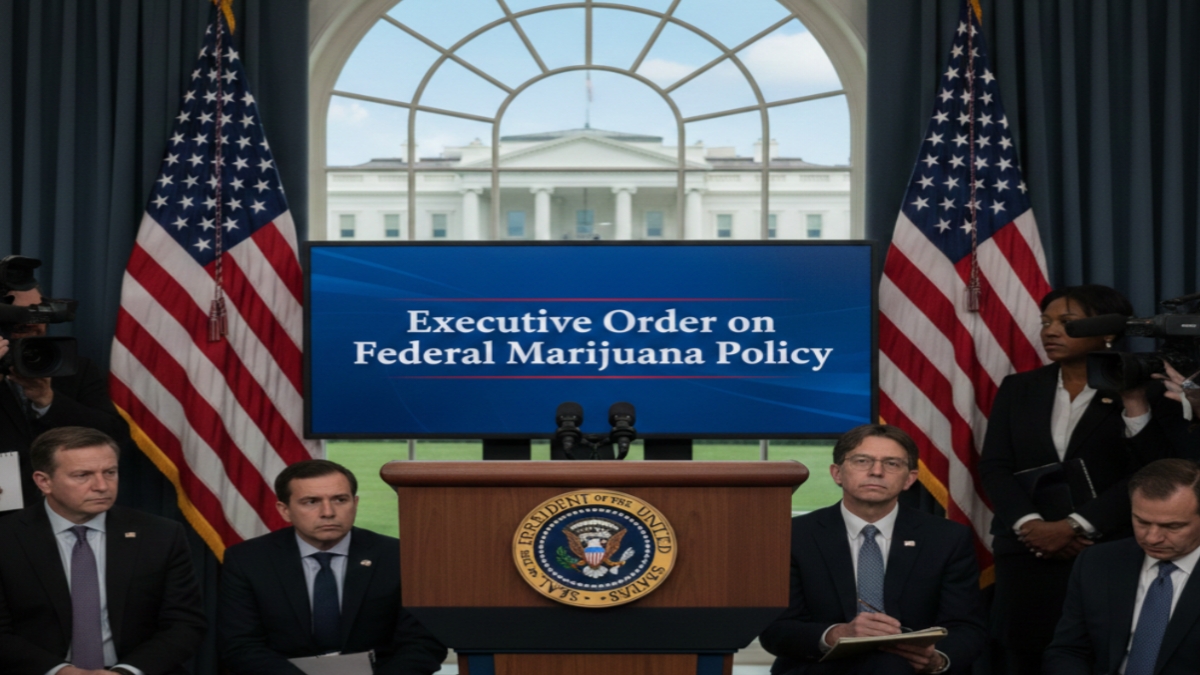
The Trump administration has issued an executive order to ease federal marijuana restrictions, directing agencies to review cannabis classification and enforcement policies, aligning federal rules more closely with state laws.

Washington, D.C. | Dec 19, 2025 —
In a surprising turnabout in drug policy, the Trump administration announced Thursday that an executive order would be issued that seeks to relax the existing prohibition on marijuana under the federal government. This executive order that seeks to shift how marijuana is categorized by the federal government has made headlines as one of the most popular political stories in the U.S. today.
“The executive order calls on the Department of Justice and the Department of Health and Human Services to initiate the process that could lead to the rescheduling of marijuana. It does not legalize marijuana, but it’s the most significant move on the matter in decades and could mark a shift in federal policy consistent with legalization that’s taken place at the state level.”
The news was announced by the White House amid rumors of changes regarding drug enforcement priorities within the government. The decision was described by administration officials as a way of modernizing outdated policies, ensuring that unnecessary crimes are no longer penalized, and aligning the federal law with public opinion and state laws.

A Major Shift in Federal Policy

At the current level of federal law, marijuana is scheduled alongside drugs that have been deemed to have no currently accepted medical use and to have high potential for abuse. This scheduling has been challenged by legislators, medical professionals, and activist groups who feel that the drug is not properly scheduled relative to current studies and uses.
The new executive order calls on government agencies to re-categorize marijuana using modern medical and scientific evidence. Sources clarified that the whole process of reviewing marijuana’s category would go through proper channels and involve health officials and representatives from national security agencies.

Although the Obama administration has not issued a statement concerning the outright reclassification of marijuana, this executive order is definitely paving the way for loosened federal regulations. If it does become reclassified, marijuana will have access to fewer regulations.

White House Rationale

In a statement, White House officials explain, “This order expresses an commitment to common-sense reform that takes into account the changes that are already occurring in the United States.”

“The states have now gotten out ahead of the federal law, the vote of the people has been made, and its time that the federal law caught up,” said an administration official. “This executive order is the start of that process,” he said.
Former Republican presidential hopeful Donald Trump has shown mixed stances in the past regarding marijuana, sometimes supporting states’ rights to legalize the drug and, at other times, insisting that the country needs a crime-fighting stance. This recent development tries to walk this tight rope to some extent.

Effects on States and Businesses

The new executive order is believed to have far-reaching effects on those states that have already legalized the use of marijuana for medicinal as well as recreational purposes. As things stand today, more than half of the states in the US have already made laws that allow the use of cannabis.
For the business community, the federal regulations have presented significant challenges such as a lack of access to the banking system, increased taxes, and uncertainty. According to industry analysts, the slightest regulation by the federal government can remove such challenges and induce stability within the expanding cannabis market.
Small business owners and investors acted swiftly in response to the announcement, with more trades involving cannabis-related stocks being recorded after the development. Industry organizations have welcomed the move as directed by the order, although more action is required.

Criminal Justice Implications

Proponents of this executive order believe that this could potentially lead to a decrease in marijuana prosecutions by the federal government and could eliminate this discrepancy. For many years, this disparate impact has been cited as a reason to criticize this regulation.
While the order does not cover the automatic expungement of previous offenses, it directs the enforcement agencies of the federal government to survey current practices and offer recommendations for change consistent with the new direction.

The civil rights community welcomed this development but called on President Trump to take this momentum further by supporting efforts to expunge records and reform sentencing laws through Congress.

Public Opinion and Political Reaction

Public opinion regarding marijuana has undergone a significant transformation in recent years. According to national opinion polls, a majority of Americans are in favor of or may consider decriminalizing or legalizing marijuana, especially for medicinal purposes. Younger generation Americans have been very vocal about this.

Reactions among politicians have been mixed but passionate. While some top Republicans have welcomed an emphasis on less government intervention, others have denounced the action as undermined drug law enforcement. Most Democrats welcome the action but feel that it will not address the problems alone.
Some members of Congress called again for full legislative action to change the status of marijuana under the law.

Perspectives in Law Enforcement and Health

A cautious approach was made to law enforcement agencies, recognizing a need to establish proper guidelines and direction accordingly. Various individuals were expressed over driving while impaired as well as public safety, while others acknowledged a recognition of a shift in priorities to focus upon severe offenses.
Public health professionals pointed out that regulation, research, and education were important issues that were brought out because, for a long period, federal laws had restricted scientific research on marijuana.
The fact that the executive order emphasized research review was well-received among health practitioners, as improved information in health matters is vital for health policy rationalization.

a. Economic Consider

The growth of the cannabis industry has been very rapid in states that allow the legalization of cannabis, creating billions of dollars of revenue and jobs for hundreds of thousands of individuals. Activists pushing for a reform of the law also believe that the economy can get a further boost.
According to economists, the effect of the classification change may lower the cost of doing business, promote investment, and even provide the opportunity for the conduct of interstate business. Nonetheless, fundamental shifts will require the intervention of the U.S. Congress.
To date, the executive order is believed to represent a market and regulator signal that wider reform may be forthcoming.

What the EO Is Doing — And Is Not Doing

The executive order signed by Obama focused mainly on
Although the news triggered public concern, the officials with the Administration made clear that the new rule did not legalize the use of marijuana on a federal level or overturn state laws forbidding its use.
The order, rather:

Launches a comprehensive federal reclassification investigation into marijuana
Requires agencies to coordinate enforcement priorities with current guidance
It promotes wider medical and scientific research
Indicators: less priority placed upon low-level federal marijuana offenses
Indicators of

Any further changes in the classification would need completion of the regulatory process, which may require several months.

Next Steps Within the Regulatory Process

The federal agencies are expected to start the process right away. Scientific information and expert opinions would have to be gathered for the proposal. This would involve administrative procedures that might face legal disputes. According to observers, what ultimately happens will depend on how each agency decides to weigh existing evidence. Congressional activity may also affect the final outcome, especially in the event that lawmakers proceed with bills concerning marijuana reforms. During this time, nations and companies are waiting to hear what will happen to changes in federal enforcement actions during this review period.

A Broader Political Moment

The executive order is coming at a time when marijuana has become a mainstream political issue and is no longer at the fringes. When voters on both sides express their desire for a change in marijuana laws, this makes federal action imperative. Experts believe that the development may have repercussions outside the realm of drug regulation policy, as it may influence negotiations regarding matters of criminal justice, health policy, and state rights. In addition, it may also influence political messaging regarding upcoming elections.

Conclusion

The Trump administration’s signing of an executive order to ease federal rules regarding marijuana use is a significant turning point in American drug policy. Although this policy change is limited, it also reflects shifting views of marijuana use as well as a push to align federal policy with state policy regarding this drug. As this regulatory process continues, just how this executive order is going to play out will still need to come to light. But it has certainly ignited a lot of discussion across this country, bringing cannabis reform right back into the forefront of political discussion in America.

Sources/References:-

Trump Orders Reclassification of Marijuana Under Federal Law
https://www.pbs.org/newshour/health/watch-trump-orders-reclassification-of-marijuana-downgrading-its-drug-schedule

Trump’s Executive Order Could Reclassify Marijuana as Less Dangerous Drug
https://apnews.com/article/ab2aec5865dd140bac00b7cef5de89c5

Trump Signs Order to Reclassify Marijuana as Schedule III Drug
https://www.cbsnews.com/news/trump-order-reclassifying-marijuana-schedule-iii-drug-expected/

Trump Signs Executive Order Easing Marijuana Restrictions
https://abcnews.go.com/US/trump-signs-executive-order-easing-marijuana-restrictions-reclassifying/story?id=128526817

Trump Orders Biggest Federal Shift on Marijuana in Decades
https://www.axios.com/2025/12/18/trump-marijuana-reclassification-executive-order

UncategorizedUSA Politics

Trump Administration Unveils Major Federal Effort to Restrict Gender-Affirming Care for Minors

The Trump administration has unveiled a major federal initiative aimed at limiting gender-affirming medical care for minors, proposing restrictions that could affect funding, healthcare access, and treatment options nationwide.

Washington, D.C. | December 19, 2025 Proposed Federal Rule Signals Major Policy Shift
Proposed regulatory changes that would significantly impact the accessibility of gender-affirming health care for minors have been introduced by the U.S. Department of Health and Human Services. The initiative represents one of the most sweeping federal regulatory efforts to curtail healthcare affecting the transgender community and continues the Trump administration’s broader policy direction on the issue.

Federal Funding at the Center of the Proposal
At the core of the proposal is a plan to deny federal healthcare funding to hospitals and providers that offer gender-affirming care to patients under the age of 18. This would effectively prohibit the use of federal funds for puberty blockers, hormone therapy, and related medical interventions, even in states where such treatments are currently permitted.

Administration Frames Move as Child Protection
Health and Human Services Secretary Robert F. Kennedy Jr. introduced the proposal at a press briefing, stating that the administration’s position is focused on protecting children. According to Kennedy Jr., gender-affirming medical procedures for minors are harmful and should not be considered legitimate healthcare, a claim strongly disputed by medical experts.

A Policy With Nationwide Consequences

Medicaid-Dependent States Face Major Disruptions
The proposed rules could affect nearly two dozen states where Medicaid currently covers gender-affirming care for minors. While some states already restrict such procedures, others allow them under established medical guidelines. Because Medicare and Medicaid funding is essential for hospital operations, the rule could effectively eliminate these services nationwide.

Hospitals Warn of Financial Fallout
Most U.S. hospitals rely heavily on Medicare and Medicaid funding not only for children but also for elderly, disabled, and low-income patients. Losing access to these funds could make it financially impossible for hospitals to continue operating, forcing even supportive institutions to halt gender-affirming care.

Children’s Insurance Programs Also Impacted
The proposed restrictions would extend to the State Children’s Health Insurance Program (SCHIP), further limiting care options for transgender youth from low-income families and reducing already scarce medical support avenues.

Regulations Still in Draft Stage

Rule-Making Process and Legal Challenges Ahead
Although wide-reaching, the proposed regulations are not yet final. Federal agencies must complete a formal rule-making process that includes drafting detailed provisions and reviewing public comments. This process may take months and is expected to face strong legal challenges from advocacy groups, medical associations, and civil rights organizations.

Immediate Chilling Effect Already Reported
Healthcare professionals warn that even the proposal itself is causing immediate consequences. Some hospitals have already reduced or discontinued gender-affirming care for minors due to fear of regulatory penalties and future liability risks.

Medical Organizations Push Back

Major Medical Groups Oppose the Plan
The administration’s stance directly contradicts guidance from leading medical organizations, including the American Medical Association and the American Academy of Pediatrics. These groups support gender-affirming care for minors when medically appropriate and carefully supervised.

How Gender-Affirming Care Is Typically Provided
Doctors emphasize that care is delivered through a cautious, step-by-step process involving mental health evaluations and clinical oversight. Treatment may begin with social transitions, followed by puberty blockers, and in rare cases, hormone therapy or surgery. Medical professionals argue these approaches are evidence-based and improve mental health outcomes.

Civil Rights and Disability Protections Under Review

Gender Dysphoria Removed From Disability Protections
Beyond funding cuts, HHS proposes removing gender dysphoria from the legal definition of disability. Since gender dysphoria is a clinically recognized medical condition, critics argue this change could strip transgender individuals of key civil rights protections.

Concerns Over Increased Discrimination
Advocates warn that redefining disability protections could make it easier for transgender individuals to face discrimination in healthcare, education, and employment, intensifying ongoing civil rights debates.

Families Share Growing Fear and Uncertainty

Parents Fear Loss of Care Access
Advocates for transgender youth warn the regulations could devastate families. Parents report rising fear and uncertainty, even in states historically supportive of LGBTQ+ families.

Financial Barriers Leave Few Alternatives
While private hospitals not dependent on federal funding may still offer care, these services are often prohibitively expensive. Advocacy groups warn that low-income families would be disproportionately affected.

Administration Defends Its Position

Officials Cite Oversight and Public Support
Trump administration officials argue federal intervention is necessary in what they consider controversial medical practices involving children. CMS Administrator Dr. Mehmet Oz has stated concerns over treatment standards, claiming minors require guidance rather than medical intervention.

Conservative Groups Applaud the Move
Conservative activists and detransition advocates have welcomed the proposal, viewing it as a step toward protecting children and acknowledging voices they believe have been previously ignored.

Legislative Efforts Reinforce Federal Push

Congressional Bills Mirror Regulatory Goals
The proposed regulations align with broader Republican legislative efforts in Congress aimed at restricting gender-affirming care, banning transgender participation in women’s sports, and limiting federal funding for transition-related healthcare.

State Laws Gain Momentum
At least 27 states have enacted laws restricting gender-affirming care for minors. A recent Supreme Court ruling upholding Tennessee’s law has strengthened the likelihood that similar statutes will stand elsewhere.

Critics Warn of Long-Term Consequences

Healthcare Independence at Risk
Medical professionals and civil rights experts warn that withholding funding based on specific treatments sets a dangerous precedent for federal control over medical decision-making.

Children’s Advocacy Groups Raise Alarm
Children’s organizations argue that denying care does not eliminate need and instead places vulnerable youth at greater risk. They urge HHS to reconsider before finalizing the policy.

What Happens Next

Public Comment and Legal Battles Loom
The proposed regulations now move into the federal review process, where public input will play a key role. Legal challenges are expected if enforcement proceeds.

A Deeply Polarizing National Debate Continues
As uncertainty grows for families, hospitals, and caregivers, transgender healthcare for minors remains one of the most divisive issues in American politics, reflecting broader ideological conflicts shaping national policy.