measles prevention

usa news

Measles Outbreak Sweeps Across the U.S.: A Growing Public Health Concern in 2025
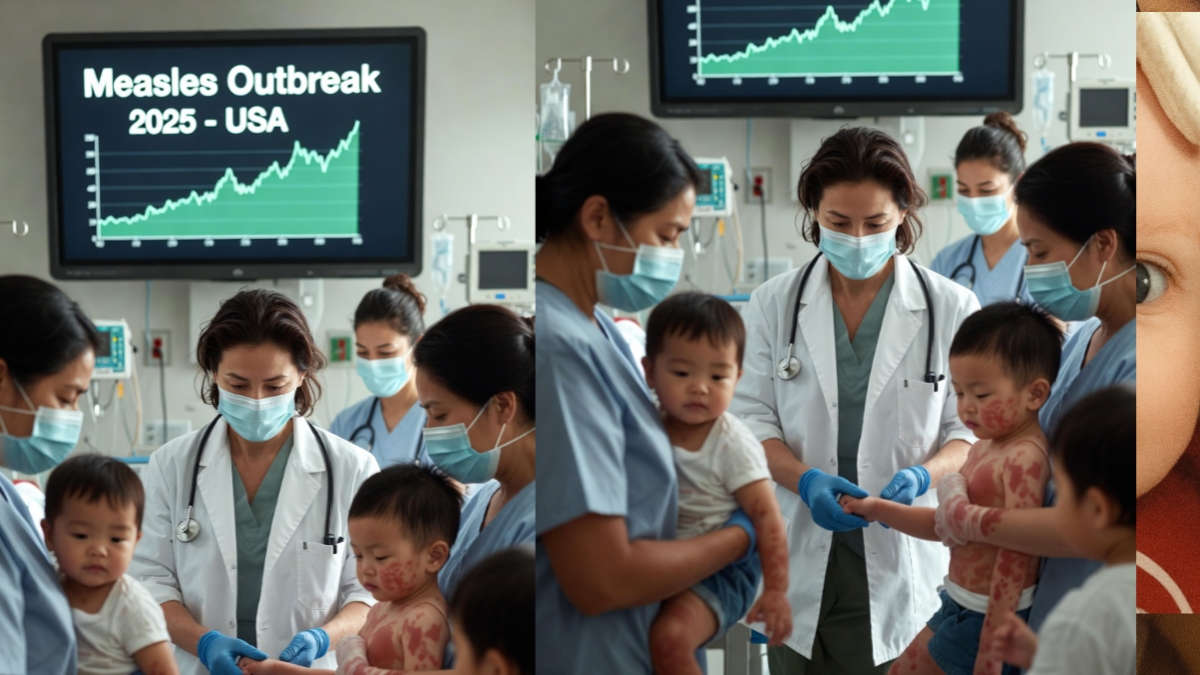
Measles cases surge in 2025 with over 1,900 infections nationwide. Learn how vaccination can protect children and prevent further outbreaks.”

The United States is facing one of the largest measles outbreaks in decades. In 2025, more than 1,900 people, mostly children, have fallen ill, raising alarms among public health officials across the nation. Once considered a disease of the past, measles is making a concerning comeback in communities with lower vaccination coverage, threatening the country’s hard-won public health achievements.

A Surge in Cases Across States

Health authorities report that measles has been confirmed in 43 states this year, with nearly 50 separate outbreaks documented. Compared to previous years, this surge is unprecedented in recent history. Measles is highly contagious and can linger in the air or on surfaces for hours after an infected person leaves. About 90% of unvaccinated people exposed to the virus become infected, making it one of the most infectious diseases known to humans.

The resurgence of measles puts the U.S. at risk of losing its elimination status, which it achieved in 2000 after successfully interrupting continuous endemic transmission. This status reflected decades of vaccination efforts and public health vigilance.

Children Bear the Brunt

Children and adolescents are the most affected by the outbreak. Schools, daycare centers, and community gatherings have emerged as major hotspots for the virus, especially in areas with lower vaccination rates. Some states have reported outbreaks exceeding 100 confirmed cases, with the majority of patients unvaccinated.

Even regions with historically high immunization rates are not immune. Instances of measles in unvaccinated children traveling from abroad demonstrate how quickly the virus can spread, even in well-protected communities. These cases highlight the importance of maintaining high vaccination coverage and community immunity.

Understanding Measles and Its Risks

Measles symptoms typically appear 7–14 days after exposure. The illness begins with fever, cough, runny nose, and red, watery eyes. Within a few days, a characteristic red rash spreads from the face down to the rest of the body.

While most healthy children recover without complications, measles can cause severe health problems. These include pneumonia, brain inflammation, and hospitalization. Young children and those with weakened immune systems are especially vulnerable. This year, there have already been several measles-related deaths, underscoring the seriousness of the disease.

Vaccination: The Key to Prevention

The MMR vaccine (measles, mumps, rubella) remains the most effective protection against measles. Two doses are about 97% effective at preventing the illness. Despite the proven effectiveness, vaccination coverage has declined in some communities over the past decade, creating pockets of vulnerability.

Experts attribute the decline in vaccination rates to multiple factors:

Misinformation and vaccine hesitancy, which have reduced public confidence in immunizations.

Disruptions to routine healthcare, including delayed vaccinations during the COVID-19 pandemic.

Variations in state policies regarding school vaccination requirements and exemptions.

These gaps in immunity allow measles to spread quickly when introduced, particularly in close-knit communities or crowded settings.

Hotspots Across the Nation

Certain states have emerged as major centers of the outbreak. For instance, communities in the southeastern U.S. have reported significant clusters, affecting schools, daycares, and local neighborhoods. Health officials have responded by implementing quarantine measures and conducting targeted vaccination campaigns to curb the spread.

Other states, including those in the Southwest and Northeast, have also reported clusters linked to both local transmission and international travel. These outbreaks serve as a reminder that measles can strike anywhere if vaccination coverage is insufficient.

Public Health Response and Community Efforts

In response to the growing outbreak, public health agencies are taking swift action:

Accelerating vaccination campaigns in under-immunized areas.

Educating communities about measles symptoms, risks, and preventive measures.

Monitoring case numbers and coordinating responses between state and federal authorities.

Providing guidance for quarantine and isolation for those exposed to the virus.

Authorities emphasize that vaccination protects not only individuals but also the broader community. By increasing immunization coverage, health officials aim to prevent further outbreaks and protect vulnerable populations.

Global Perspective on Measles

Although the U.S. achieved measles elimination in 2000, the virus remains widespread internationally. Travel-related cases continue to introduce measles into under-vaccinated communities, highlighting the importance of both domestic and global vaccination efforts. Ensuring high vaccination rates worldwide is critical to preventing the importation and spread of the virus in the United States.

The Role of Parents and Communities

Parents and caregivers play a crucial role in controlling measles. Ensuring that children receive both doses of the MMR vaccine is essential. Families should also be aware of measles symptoms and seek medical attention promptly if exposure or infection is suspected. Schools and community leaders can support public health initiatives by promoting vaccination and following recommended safety measures during outbreaks.

Looking Ahead: Preventing a Public Health Crisis

The 2025 measles outbreak is a stark reminder that preventable diseases can return if vaccination coverage declines. Experts stress that rapid vaccination, public education, and community engagement are key to halting the spread of measles.

As the United States moves toward 2026, the challenge is clear: restore public confidence in vaccines, ensure children are protected, and prevent measles from regaining a foothold in communities nationwide. With coordinated action, swift vaccination efforts, and public awareness, measles can be contained and prevented from becoming a recurring public health threat.

Conclusion

Measles is not a relic of the past. The 2025 outbreak demonstrates how quickly it can return when vaccination coverage wanes. Children are most at risk, but the disease can affect anyone. By prioritizing vaccination, adhering to public health guidance, and staying informed, communities can protect themselves and stop the spread of this highly contagious virus.

This outbreak serves as a critical reminder: prevention through vaccination is our most powerful tool against measles. With collective effort, the United States can once again control this disease and safeguard future generations