The Untold Story of Early America: A Human Look at U.S. Colonial History
When we think about the United States today, we often picture modern cities, advanced technology, and global influence. But the journey to becoming a powerful nation began in a much harsher and uncertain world. The colonial history of America is not just about dates and events—it’s about real people, real struggles, and the courage to survive in an unknown land.
The video captures this beautifully by blending past and present, showing how difficult life was for early settlers while also making it relatable for modern viewers.
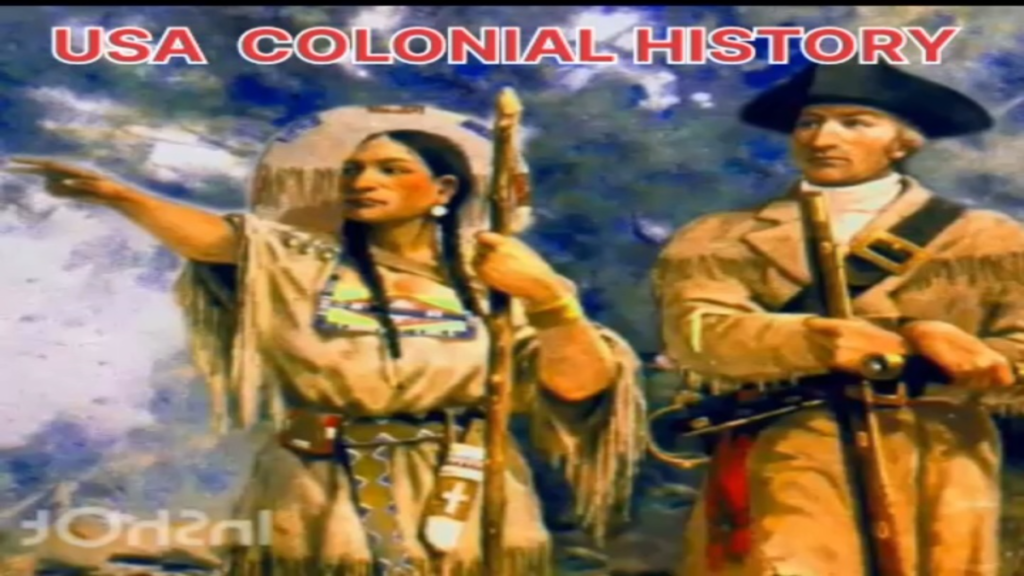
A Journey Into the Unknown
Imagine leaving everything behind—your home, your country, your comfort—and stepping onto a ship that would take you across a vast and dangerous ocean. That was the reality for early European settlers.
The journey across the Atlantic Ocean was long, exhausting, and often deadly. Ships were crowded, food was limited, and diseases spread quickly. Many people didn’t survive the trip. But despite all this, thousands still chose to take the risk.
Why?
Because the New World promised something rare—opportunity.
Some came looking for wealth. Others came for religious freedom. And many simply wanted a fresh start.
A Land Full of Hope… and Hardship
When settlers finally reached America, they didn’t find comfort or ready-made cities. Instead, they faced dense forests, wild landscapes, and unfamiliar climates.
The land was beautiful—but unforgiving.
There were no supermarkets, no hospitals, no modern tools. Survival depended on physical strength, knowledge, and teamwork. People had to build homes from scratch, grow their own food, and protect themselves from both nature and disease.
Even basic things like clean water and shelter were daily challenges.
Life Was Short and Tough
The video highlights this struggle clearly, showing forests and natural surroundings that early settlers had to deal with. It reminds us that life back then wasn’t just difficult—it was unpredictable.
One of the most shocking realities of colonial life was how short it could be. Many people didn’t live beyond their twenties or thirties.
Illnesses that are easily treated today were often fatal back then. There were no vaccines, no antibiotics, and very little medical knowledge.
A simple infection or cold could turn deadly.
This harsh reality forced people to grow up quickly. Children took on responsibilities early, and survival became the top priority for every family.
When the video mentions ages like “20 or 25,” it’s not just a number—it reflects a life filled with constant struggle and uncertainty.
The Role of Great Britain
The American colonies were not independent in the beginning. They were controlled by Great Britain, one of the most powerful nations at the time.
This relationship shaped nearly every aspect of colonial life.
The British government made laws, controlled trade, and collected taxes from the colonies. While this provided some protection and structure, it also limited freedom.
Colonists were expected to follow rules that often didn’t benefit them directly.
Over time, frustration began to grow.
People started to question why they should be controlled by a country thousands of miles away. This tension would eventually play a major role in shaping the future of America.
Survival Required Strength and Unity
Living in the colonies wasn’t something anyone could do alone. Survival required cooperation.
Families worked together. Communities supported each other. People shared resources, built homes, and helped one another during difficult times.
This sense of unity became one of the strongest foundations of colonial society.
The hardships they faced created a bond that made them stronger as a group.
It wasn’t just about individual survival—it was about collective survival.
Nature Was Both Friend and Enemy
The natural environment played a huge role in colonial life.
Forests provided wood for building homes and fuel for fires. Rivers offered water and transportation. The land, when cultivated properly, could produce food.
But nature was also dangerous.
Harsh winters, unpredictable weather, and unfamiliar terrain made survival even harder. Settlers had to learn quickly how to adapt.
The mention of “endemic” conditions in the video suggests that the environment itself presented unique challenges—things that settlers had never experienced before.
Learning to live with nature was not a choice. It was a necessity.
The Importance of Ships and Travel
Ships were the lifeline of the colonies.
They connected America to Europe, bringing people, goods, and ideas across the ocean. Without ships, the colonies would have been isolated and unable to grow.
But travel wasn’t easy.
Crossing the ocean could take weeks or even months. Storms were common, and navigation was far from perfect.
Every journey carried risk.
The image of ships in the video symbolizes more than just transportation—it represents courage, exploration, and the desire to build something new.
A Mix of Cultures and People
The colonies were not made up of just one type of people.
Over time, settlers arrived from different parts of Europe, each bringing their own traditions, beliefs, and skills.
This diversity helped shape the identity of early America.
Different cultures mixed, creating new ways of living and thinking. While this sometimes led to conflict, it also created a rich and dynamic society.
The idea of America as a “melting pot” began during this period.
The Beginning of a New Identity
As time passed, colonists began to see themselves differently.
They were no longer just British citizens living abroad. They were something new.
Their experiences in the colonies—facing hardship, building communities, and adapting to a new world—gave them a unique identity.
They started to think independently.
They started to question authority.
And most importantly, they started to imagine a future where they could govern themselves.
Why This Story Still Matters
It’s easy to look at history as something distant and irrelevant. But the story of colonial America is still deeply important today.
It teaches us about resilience—the ability to survive even in the toughest conditions.
It shows us the value of unity—how people can achieve more when they work together.
And it reminds us of the importance of freedom—the desire to control one’s own life and future.
The video’s reaction-style format makes this message even stronger. By showing modern reactions to historical events, it bridges the gap between past and present.
It helps us understand that while times have changed, the human spirit remains the same.
Final Thoughts
The colonial history of the United States is not just a chapter in a textbook—it’s a powerful story of courage, struggle, and transformation.
From dangerous ocean journeys to building new lives in an unknown land, early settlers faced challenges that are hard to imagine today.
Yet, through determination and unity, they laid the foundation for one of the most influential nations in the world.
The video captures this journey in a way that feels real and human, reminding us that history is not just about events—it’s about people.
And in their story, we can still find lessons for our own lives.