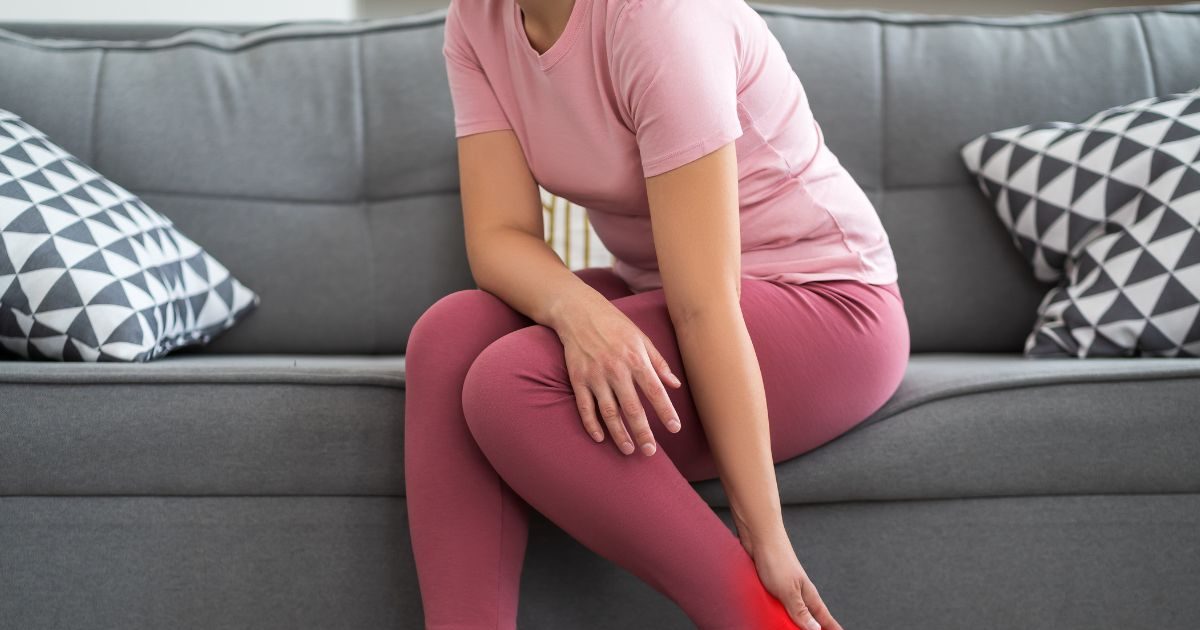
Heel Spur Treatment: Many people complain that when they walk, they start having pain in their heels. Severe pain in the heel sometimes creates difficulty in walking. It is normal to have this pain occasionally, but if the problem increases, it could be due to a medical condition called Heel Spur. In this problem, the heel bone comes out from the lower part. This growth occurs at the place where the heel bone connects to a ligament called Plantar Fascia. The surprising thing is that 15% people are affected by this problem, but most of the people come to know about it only after going to the doctor. This problem can occur due to prolonged stress on the legs.
The main reason for developing heel spurs is constant pressure on the ligaments and tendons of the feet. If you run or jog, hitting your feet on a hard surface can tear the membrane of the heel bone, causing bone spurs. Apart from this, disturbances in walking style, being overweight and increasing age also increase its risk. As we age, the natural fat pad under the feet begins to thin and the elasticity of the ligaments decreases, increasing the likelihood of heel spurs.
Surprisingly, a heel spur in itself is not always painful. Most people live with this bone spur without any pain. When pain occurs, it feels similar to plantar fasciitis. Like feeling a sharp needle-like prick in the heel after waking up in the morning. The pain subsides as you walk a little, but resurfaces after sitting for a long time. Doctors usually recommend X-rays after a physical examination, so that this bone growth can be detected.
Treatment of heel spur focuses on treating the symptoms that cause pain. Doctors often recommend resting the heel, applying ice and medicines to reduce swelling. Using arch support or cushioned inserts in shoes is very effective, as they reduce the pressure on the plantar fascia. Physiotherapy and special stretching exercises also help in providing relief from pain. Heel spurs can be removed through surgery, but doctors suggest this only if all other non-surgical methods fail.
To prevent heel spurs, special attention should be paid to the choice of shoes. Instead of walking barefoot on hard floors, wear slippers or sandals and choose grass or soft tracks for running. Keeping your weight under control is the most permanent way to reduce the pressure on your feet. If you feel heel pain while walking or after exercise, instead of ignoring it, immediately slow down your activities. Once formed, a heel spur becomes permanent, but with proper care you can live a problem-free life.