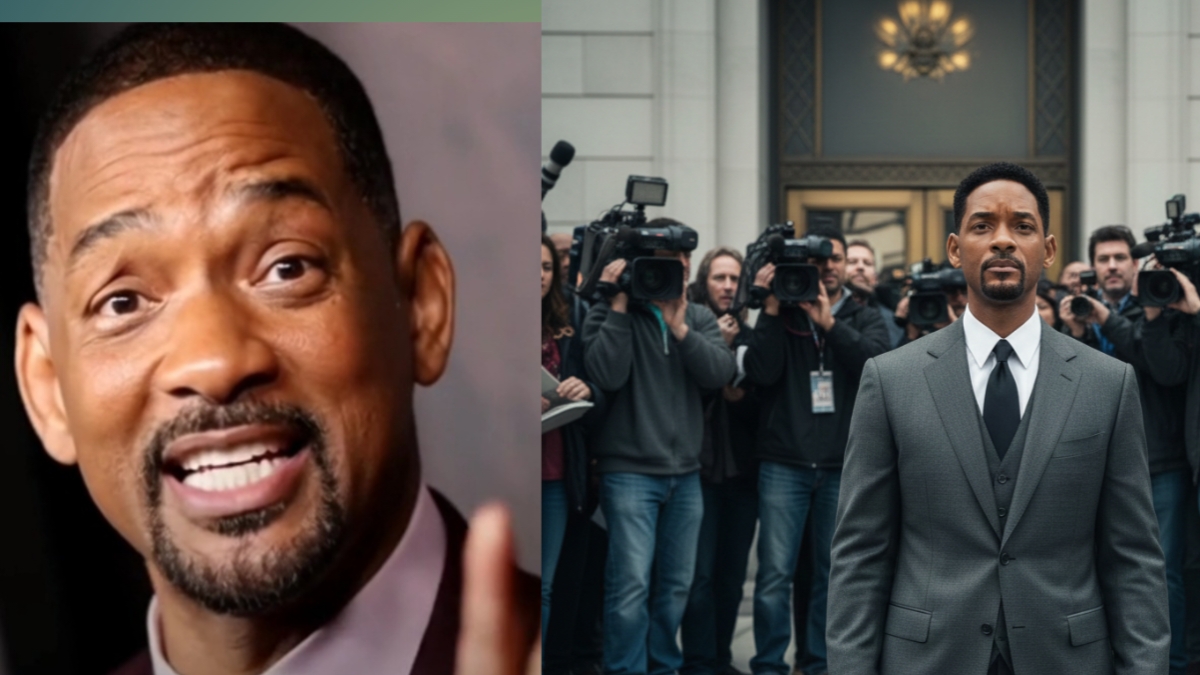
Will Smith faces a new lawsuit in Los Angeles as a former tour violinist alleges sexual harassment and retaliatory termination, raising fresh questions about accountability in the entertainment industry.
Los Angeles, California, January 3, 2026
Hollywood superstar Will Smith is under legal scrutiny again after a former violinist from his 2025 concert tour filed a civil lawsuit in Los Angeles Superior Court. The suit claims sexual harassment, emotional distress, and retaliatory termination. The complaint, submitted earlier this week, details several incidents that the plaintiff says happened behind the scenes during Smith’s international tour, which ultimately led to the end of his employment.
Case Draws National Attention Amid Industry Accountability Debate
The lawsuit has drawn national attention, not only because of Smith’s fame but also because it comes during a time when the entertainment industry is facing issues around accountability, workplace boundaries, and power dynamics involving well-known figures.
Claims Remain Unproven as Legal Process Begins
Smith has not been found responsible for any wrongdoing, and the claims remain unproven. His representatives have not yet issued a formal response to the lawsuit.
Lawsuit Filed in Los Angeles Superior Court
According to court documents reviewed by multiple media outlets, the plaintiff, identified as a professional violinist hired for Smith’s 2025 tour, alleges that inappropriate behavior began midway through the tour and increased over time. The lawsuit claims that the musician faced unwanted personal remarks, suggestive actions, and behavior that reportedly created a hostile work environment.
Plaintiff Alleges Retaliatory Termination After Raising Concerns
The filing further states that after the violinist raised concerns internally and resisted the alleged behavior, his role on the tour was abruptly terminated. The plaintiff argues that this dismissal was retaliatory and directly linked to his refusal to engage in or tolerate the behavior.
Legal Experts Say Retaliation Claims Can Strengthen Civil Cases
Legal experts note that retaliation claims often play a key role in cases like this since job loss following a complaint can significantly strengthen a civil case if proven.
Allegations Describe Gradual Shift in Professional Boundaries
In the complaint, the plaintiff describes what he sees as a gradual change in professional boundaries. He claims that initial interactions were friendly and work-focused but became increasingly personal and uncomfortable.
Fear of Career Impact Allegedly Kept Plaintiff Silent
The lawsuit says that the violinist felt pressured to stay quiet because of Smith’s influence and the fear of losing career opportunities in the competitive entertainment industry. According to the filing, the plaintiff tried to manage the situation privately before deciding to speak out.
Isolation and Reduced Opportunities Alleged Before Dismissal
The document also states that after raising concerns with tour management, the violinist felt isolated from colleagues, received fewer performance opportunities, and was ultimately terminated.
Smith is not accused of any criminal behavior in this case. The lawsuit seeks financial compensation for lost income, emotional distress, and reputational damage.
Will Smith’s Career Under Renewed Spotlight
These allegations occur at a sensitive time for Will Smith. Once viewed as one of Hollywood’s most bankable stars, Smith’s image has changed significantly in recent years.
Lawsuit Complicates Smith’s Post-Oscars Comeback Narrative
Following the highly publicized Oscars incident in 2022, Smith stepped back from the public eye before gradually returning to film and music projects. His 2025 tour was seen as part of a broader career comeback, mixing nostalgia with new creative efforts.
Now, this lawsuit threatens to complicate that comeback narrative and reignite discussions about celebrity accountability and the responsibilities of powerful figures toward their employees and collaborators.
Entertainment Industry Reacts with Caution
Reactions across the entertainment industry have been cautious. Several advocacy groups emphasized the need to let the legal process unfold while also stressing the importance of safe working conditions for artists and crew members at all levels.
Advocates Highlight Power Imbalances on Tours
“This is another reminder that power imbalances can exist anywhere, even on a concert tour,” said one workplace rights advocate, who spoke generally and did not comment on Smith’s guilt or innocence.
Some industry insiders noted that touring environments often lack the formal HR structures found on film sets or in corporate offices, making it harder for employees to address grievances.
Legal Experts Weigh In on Burden of Proof
Employment and entertainment law specialists say cases like this heavily depend on documentation, witness statements, and timelines.
Attorneys Say Timing of Termination Will Be Key
“If a plaintiff can show that adverse employment action followed closely after a complaint, that can be important,” said a Los Angeles-based employment attorney not involved in the case. “However, defendants often argue other reasons for termination, like performance issues or restructuring.”
The burden of proof is on the plaintiff, and Smith’s legal team will have the chance to respond formally in court filings.
No Official Response Yet from Smith’s Team
As of Friday afternoon, Will Smith’s representatives had not released a public statement addressing the lawsuit. In similar cases, legal teams often wait to respond through the court instead of commenting publicly at the early stages.
Public Reaction Remains Divided Without Official Statement
Smith has previously talked about personal growth, accountability, and self-reflection in interviews, though those comments were in unrelated contexts.
Without an official response, public discussion remains largely speculative, with many fans and observers calling for caution and fairness.
Broader Conversation About Power and Touring Culture
Beyond the individual case, the lawsuit has sparked conversation about touring culture in the music and entertainment industries. Touring environments are often fast-paced, intense, and isolated, with employees spending months away from home and their usual support systems.
Workers on tours, including musicians, dancers, and technical staff, are
I