Last Updated:
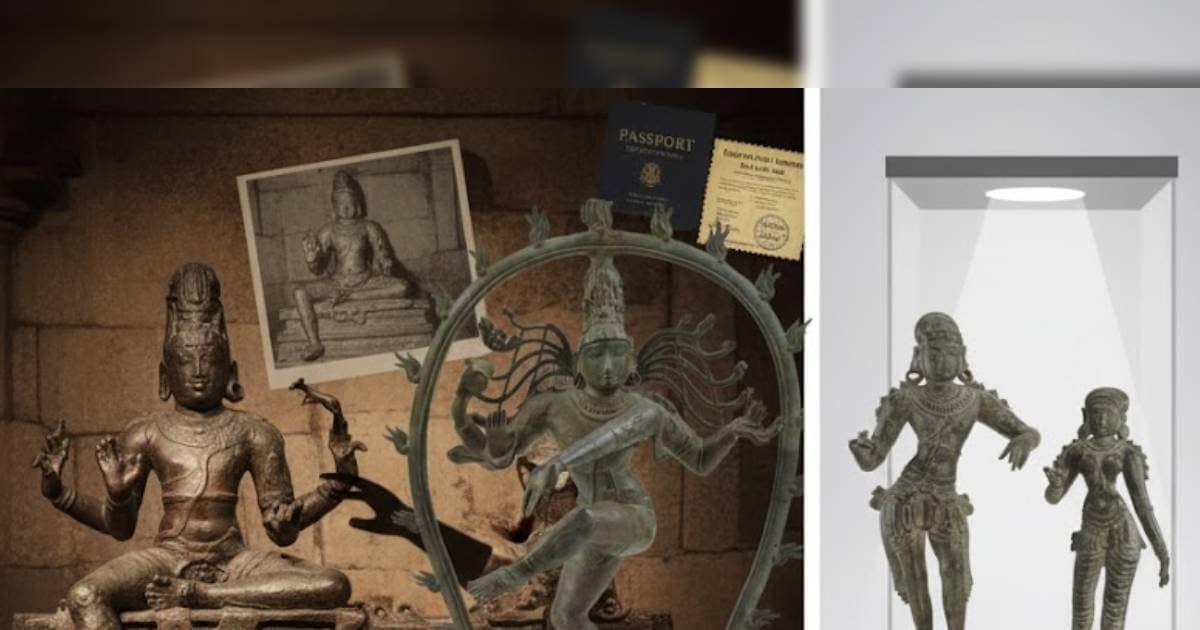
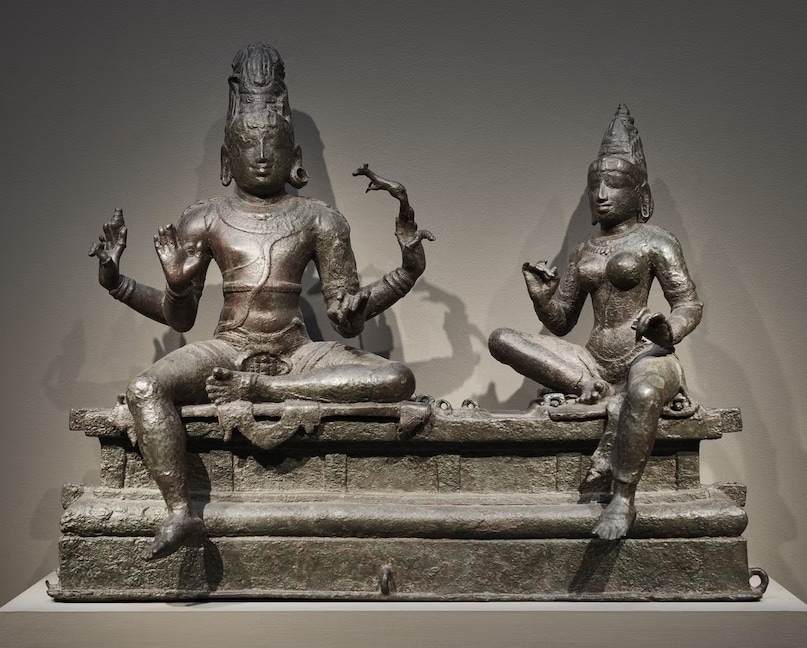
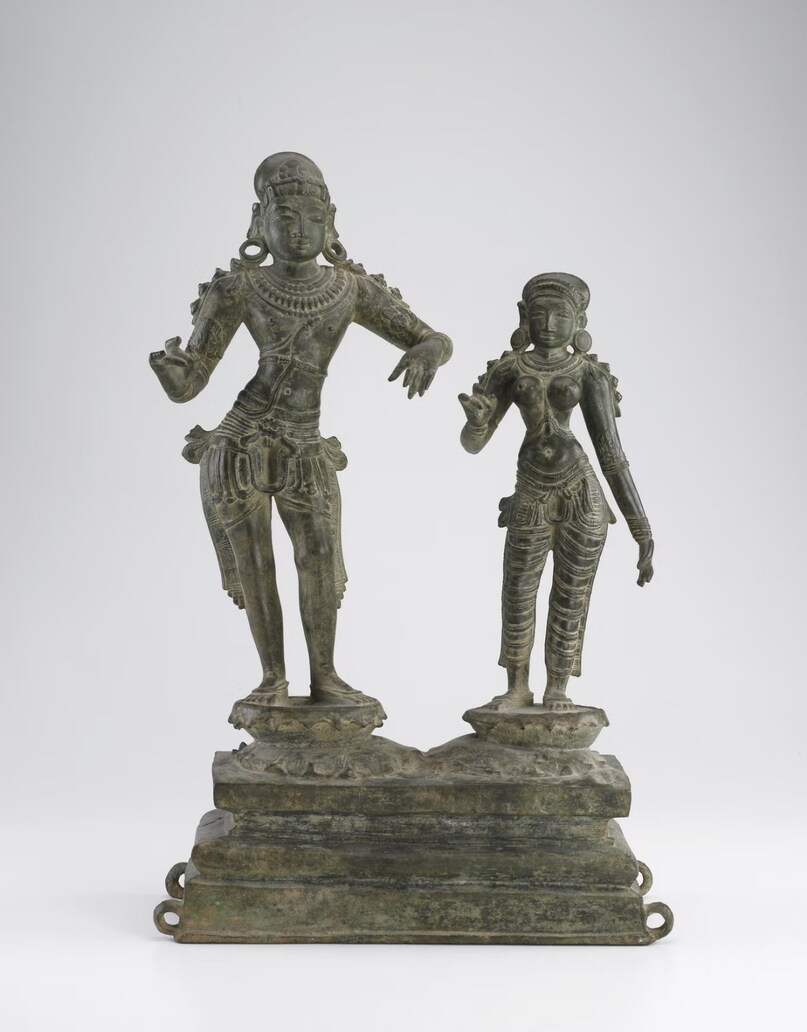
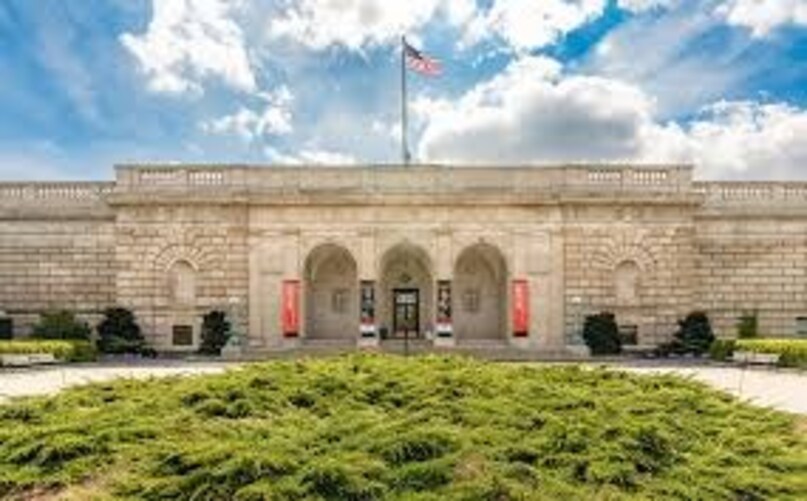
Chola-era statues Coming Back Home: Washington’s Smithsonian National Museum of Asian Art has taken a major decision to return three historic medieval bronze statues of India. These include the sculptures of Shiva Nataraja of the 10th century, Somaskanda of the 12th century and the statues of poet-saint Sundarar of the 16th century. Internal investigation revealed that these idols were illegally removed from temples in Tamil Nadu in the middle of the 20th century. This step is being considered an important diplomatic victory against theft of cultural heritage at the global level.
Disclosure of theft and strong evidence of research: The museum spokesperson said that the decision to return the idols has been taken after extensive research on their provenance. Researchers collated old records, dealer documents and photographic evidence from the 1950s. Photographs from the archives of the French Institute of Pondicherry confirmed that these idols existed in the temples of Thiruthuraipoondi, Alattur and Veerasolapuram in Tamil Nadu between 1956 and 1959. These photographs proved that the statues were removed illegally without any legal permission.
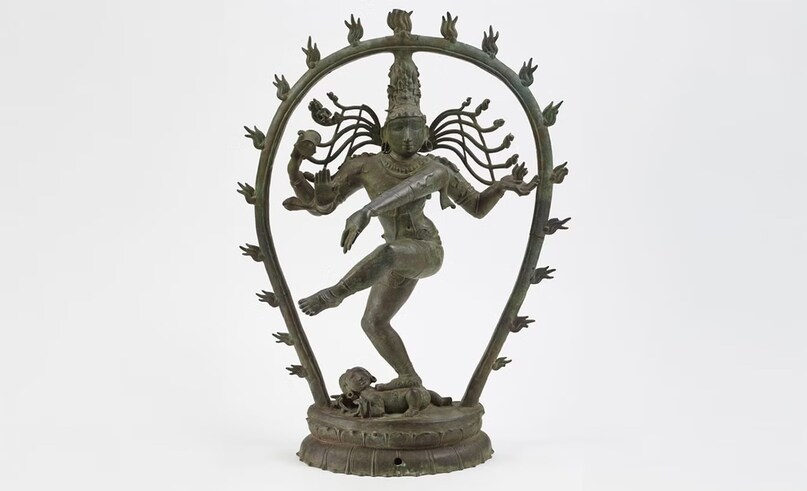
Game of illegal smuggling and fake documents: The museum had purchased the statue of ‘Shiva Nataraja’ in 2002 from Doris Weiner Gallery of New York, which was later surrounded by allegations of selling looted artefacts. Investigation found that the gallery had prepared fake documents to make the sale appear legitimate. According to research by the ‘India Pride Project’, the gallery claimed that it was purchased in 1972 to avoid the legal implications of India’s Antiquities Act of 1973. It is clear that these valuable assets were transported abroad through a large network of international smugglers.
New controversy over loan proposal: The Smithsonian Museum has proposed that the statue of Shiva Nataraja will remain on display in Washington for the time being, which will be shown as a ‘long-term loan’ from India. The museum says that this will enable the public to be informed about the transparent history of the origin and return of this statue. However, questions are being raised on this system. Critics believe that when a statue has been stolen and identified, it should be immediately returned to its original location rather than being kept on exhibition.
Add News18 as
Preferred Source on Google
Legal complications over ownership rights: Vijay Kumar, co-founder of ‘India Pride Project’, has raised legal questions over the ownership claim of the Government of India. He clarified that these bronze statues are not the property of the state, but the private property of the respective temples. In such a situation, the Indian government does not have the legal right to give these statues on loan to foreign museums. Thiruthuraipoondi temple, from where the Nataraja idol was stolen, is all set to get back its adorable idol. The dispute is now stuck between the actual custodians and administrative rights of the statues.

Arthur M. Sackler Collection and Ethics: The other two statues to be returned (Somaskanda and Sundarar) were part of a collection of 1,000 objects donated by pharma giant Arthur M. Sackler in 1987. Sackler presented them at the inauguration of his gallery. Museum director Chase F. Robinson said the return of the statues reflects the institute’s commitment to ‘ethical collecting’. The Smithsonian is now claiming to set new standards for transparency and accountability of its Asian art collection, so that such mistakes are not repeated in the future.
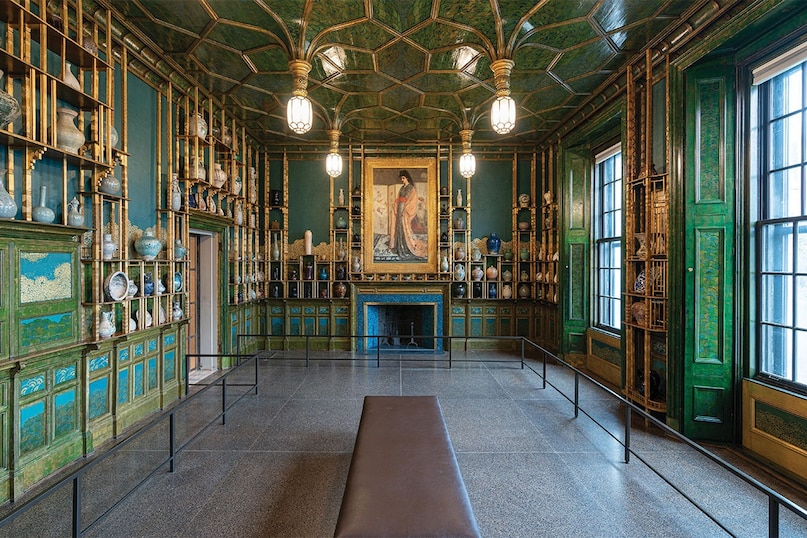
Process of return to India and the way forward: The statues of Somaskanda and Sundarar will soon be handed over to the Indian Embassy in Washington, from where they will be brought to Tamil Nadu. The idol of Nataraja will currently remain in the gallery of the museum, but the entire story of its theft and return will be displayed there in a transparent manner. This incident also serves as an example for other museums around the world to check the legality of the artefacts kept in their galleries and respectfully return illegally brought cultural property to their country of origin.