America-Iran War: The Iran-Israel-America conflict, which started in West Asia, now appears to be taking the form of a major global crisis. On February 28, America and Israel launched a massive air campaign against Iran. The objective of this campaign was to destroy Iran’s ballistic missile program and its military infrastructure. Also, under a precise intelligence operation, the top leadership of Iran was targeted, in which the news of the death of the country’s supreme leader Ayatollah Ali Khamenei and more than 40 senior military commanders came to light. America and Israel hoped that this operation would collapse Iran’s military and political structure within a few days and create a situation of regime change in the country. But the developments that have unfolded in the first four days of the war have shocked the world. Iran has not only demonstrated its military capability by retaliating strongly, but has also challenged the strategic calculations of America and Israel. If the conflict drags on, its economic and military consequences could be serious for America and Israel. America has to pay its price in thousands of crores of rupees every day.
The most important feature of this war is the disparity associated with its costs. America and Israel have the most modern military technology in the world, but the cost of these weapons is extremely high. According to Colonel Rajeev Aggarwal, a retired Army officer and consultant at Chintan Research Foundation, according to initial estimates, America had to bear an expense of approximately $ 779 million in the first 24 hours of Operation Epic Fury. Within three days this cost reached about 1.24 billion dollars. Now it is being told that America has to spend approximately 1 billion dollars every day. Although America’s defense budget is almost a trillion dollars, the problem is not the total expenditure but the per unit cost of weapons. For example, the price of American Patriot and Tomahawk missiles ranges from 10 to 30 lakh dollars. In comparison, the price of an average ballistic missile of Iran is only between 8 lakh to 10 lakh dollars. Similarly, the price of American MQ-9 Reaper drone is around 30 million dollars, whereas Iran’s Shahed drone can be made for only 30 to 50 thousand dollars. This huge cost difference means that continuing this war for a long time could prove to be extremely costly economically for America and Israel.
Tomahawk missiles are many times more expensive than Iranian missiles. (File photo/Reuters)
Rs 19 lakh crore may be lost
A report published in Fortune has estimated the cost of the Iran war. The question of war expenditure has become more acute especially when estimates related to the cost of war have started coming out. Kent Smetters, director of Penn Wharton Budget Model, recently told Fortune that the total economic cost of this war could reach $ 210 billion (Rs 19 lakh crore) for America. This figure also includes direct military expenditure, which has been estimated at approximately $95 billion (Rs 870489 crore). Along with this, the economic loss caused by huge disruptions in trade, energy markets and financial conditions at the global level has also been added to this estimate.
Increasing pressure on missile stockpile
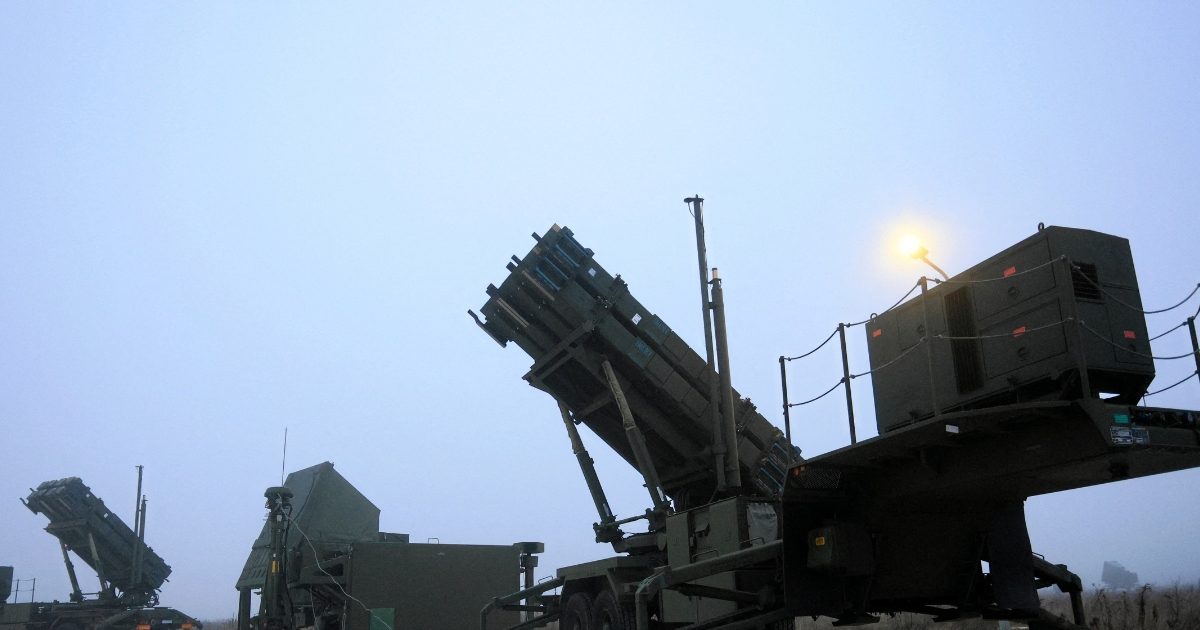
Within four days of the war, there is a possibility of increased pressure on the missile stockpiles of America and Israel. It is estimated that the number of Patriot interceptor missiles in the battlefield is between 600 to 800. To stop any one missile, four to six interceptor missiles are fired. About 150 to 200 interceptor missiles have been used so far. If the attacks continue at this pace, their availability may be in danger in the next four to seven days. There have also been reports that America is considering transferring some Patriot missiles from Japan and South Korea to the Gulf region. On the other hand, Iran is said to have a huge stockpile of missiles and drones. According to various estimates, Iran may have 20,000 to 50,000 missiles of different types. Apart from this, thousands of drones are also present, many of which are kept safe in underground bases built inside the mountains.
Why has the issue of cost become important in the Iran-Israel-US conflict?
There is a big difference in military strength between Iran and America-Israel, but the cost of weapons has emerged as an important factor in the war. America and Israel use expensive weapons like sophisticated missiles, drones and fighter jets. It is estimated that in the first 24 hours of Operation Epic Fury, America had to spend approximately 779 million dollars. This expenditure reached about 1.24 billion dollars in three days. This makes it clear that modern war is not only a contest of power but also of economic capability.
What is the difference in the cost of weapons of America and Iran?
Many of America’s weapons are extremely expensive, while Iran uses relatively cheap weapons. For example, the price of American Patriot and Tomahawk missiles is approximately 10 to 30 lakh dollars per missile. In comparison, the cost of an Iranian ballistic missile is said to be around 8 lakh to 10 lakh dollars. Similarly, the price of MQ-9 Reaper drone is around 30 million dollars, whereas Iran’s Shahed drone can be made for only 30 to 50 thousand dollars.
What challenges are America and Israel facing due to expensive weapons?
America and Israel are facing double problem due to expensive weapons. The first challenge is the rising costs of war, which can make a prolonged conflict economically burdensome. The second problem is the limited production of these weapons, because due to complex technology it is difficult to make them in large numbers quickly. In such a situation, if a large amount of weapons are spent during the war, then it becomes a challenge to replenish them quickly.
Are America and Israel in danger of running out of missile stockpiles?
According to reports, within four days of the war, concerns have increased regarding the stockpile of Patriot and Tomahawk missiles. The availability of Patriot missiles in the war zone is believed to be between 600 to 800. To stop any one missile, 4 to 6 interceptors are fired. About 150 to 200 interceptors have been used so far. Experts believe that if usage continues at this pace, their shortage may occur in 4 to 7 days.
How is Iran taking advantage of this situation?
Iran has long adopted a strategy of increasing its missile and drone stockpile. It is estimated that it has 20 thousand to 50 thousand missiles of different types and also thousands of drones. Many of these weapons are kept safe in underground bases built inside the mountains. Iran is continuously using a mix of old and new missile-drones, so that American and Israeli defense systems remain under constant pressure. Due to this, it maintains the ability to continue the war for a long time at low cost.