US Music Scene

UncategorizedUSA Music

🎵 🎼 America’s Live-Event Boom: Concerts, Tours, and Festivals Drive a Massive Entertainment Surge
Date/Trend Notice: December 2025 — United States (Music & Events Industry)

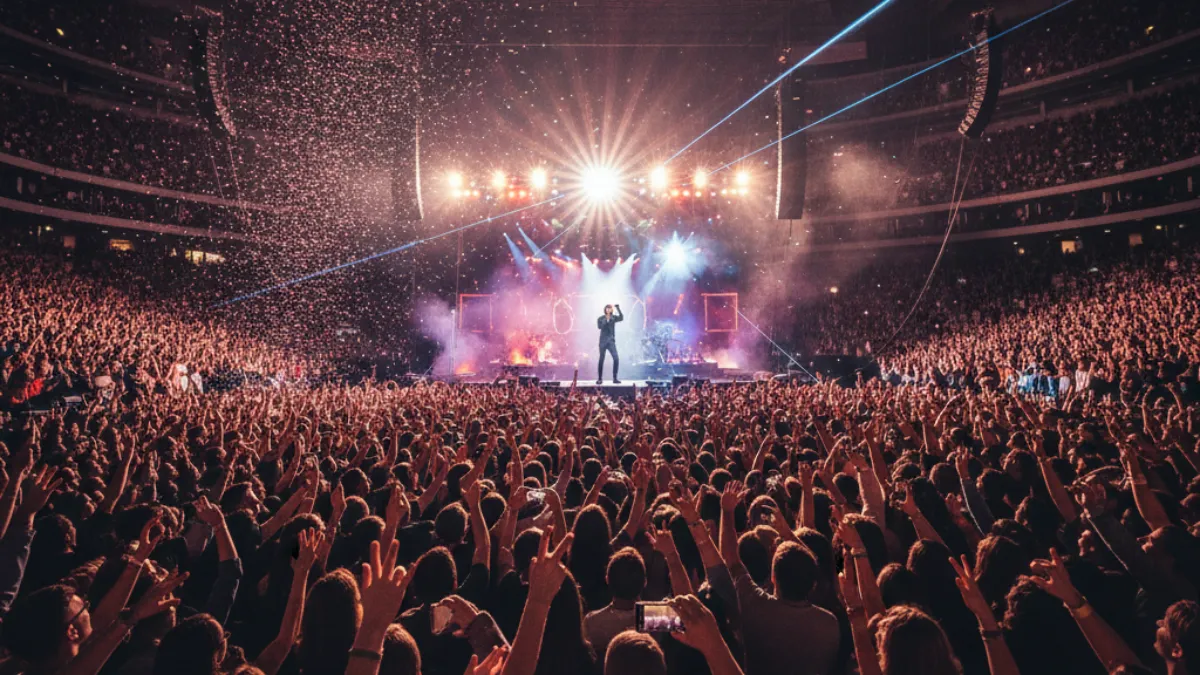
The U.S. live-entertainment industry is entering one of its strongest growth phases in decades, fueled by a nationwide appetite for real-world experiences after years of digital fatigue. Analysts project the market will expand from $429.3 billion in 2024 to nearly $670.6 billion by 2033, a surge that signals major transformation across concerts, festivals, touring, and hybrid events. From stadium shows to intimate club performances, America’s event economy is redefining how artists engage with fans and how promoters build global revenue models.

This explosion is reshaping the entertainment landscape, powering new investments in venues, boosting tourism, and fueling viral cultural moments that dominate social platforms. With fans willing to travel, spend more, and seek premium experiences, the U.S. is emerging as the world’s most dynamic live-event hub.

— America’s Demand for Live Experiences Is Skyrocketing

Over the past two years, U.S. audiences have returned to live music with unprecedented enthusiasm. Major tours — from legacy rock stars to Gen-Z pop idols — have consistently sold out, often within minutes of ticket release. Analysts say this phenomenon is tied to a broader shift: Americans are spending more on “experience-based” activities rather than physical goods.

“Live entertainment has become the new luxury product,” said Dana Hill, a senior analyst at NorthStar Market Research. “People are prioritizing concerts, festivals, and immersive events because they offer something digital life cannot replicate.”

This consumer behavior is visible across all demographics. Young fans are traveling across states to attend festival weekends, middle-aged professionals are purchasing VIP packages instead of basic seats, and older audiences are returning to theater and jazz venues in significant numbers. Venues in cities like Las Vegas, Nashville, New York, and Austin are reporting record-high demand — not only from concerts, but also from comedy shows, corporate summits, esports tournaments, and hybrid entertainment events.

The hybrid model — combining physical audiences with paid livestream access — is also helping American artists reach global fans while boosting revenue.

— The Industry Ripple Effect: Artists, Promoters & Venues Benefit

The booming demand has triggered major benefits across multiple sectors of entertainment. Artists are planning longer tours, more festival appearances, and multi-city residencies, helping them earn more in a single tour cycle than was possible a decade ago.
Promoters, too, are investing heavily in technology, security, logistics, and premium seating to meet the fans’ rising expectations.

Michael Sanderson, a senior promoter with StarLive Events, noted that the industry is shifting toward higher production quality.
“The stage shows today look like Hollywood movies. Audiences expect spectacle, and the investment is paying off.”

Venues are upgrading sound systems, lighting rigs, and accessibility features to stay competitive. Stadiums and arenas across California, Texas, and Florida have expanded their event calendars, booking everything from EDM festivals to multicultural tours. Smaller venues are also thriving, as emerging artists benefit from a surge in local concert attendance.

Meanwhile, airlines, hotels, and travel agencies are seeing parallel growth as fans plan destination-based concert trips. Tourism boards in cities like Atlanta, Miami, and Chicago have launched campaigns around music festivals, recognizing their economic power.

— A New Era of Viral Music Culture & Economic Impact

The surge in live events has produced a new wave of viral content, with fans capturing emotional concert moments that spread instantly across TikTok, YouTube Shorts, and Instagram. These clips often fuel ticket demand, making artists’ tours go viral overnight. Industry experts say this “fan-driven advertising” has replaced much of traditional marketing.

For fans like Sarah Thompson, who traveled from Arizona to see her favorite pop artist in Los Angeles, the spending feels worth it.
“It’s not just a concert,” she said. “It’s a moment you remember for life. That’s why people are going again and again.”

As 2026 approaches, insiders expect even larger tours, more interactive festival experiences, and continued hybrid innovations. With rising disposable income and cultural trends favoring live engagement, the U.S. entertainment market is projected to remain on a steep upward trajectory.

For media outlets, this boom provides massive storytelling potential — from ticket-price debates to celebrity tour battles and the economics of sold-out festivals. As live entertainment becomes a central part of American culture, the demand for content around it is only growing.